Mold Thermal Imaging Inspection Services Explained
Mold can be stressful for any homeowner. Sometimes it is easy to see. Other times, you may only notice a musty smell, a stain on the wall, or a room that feels damp. The real concern is often moisture. Mold needs moisture to grow, so finding hidden water problems is an important first step.
Mold thermal imaging inspection services use an infrared camera to look for temperature patterns that may point to moisture behind walls, ceilings, floors, or other surfaces. The camera does not see mold directly. It shows hot and cold differences on surfaces. Those differences can help an inspector know where to look closer.
This type of inspection is helpful because moisture can hide in places you cannot easily see. A regular visual check may miss early signs. Thermal imaging gives the inspector another tool to find possible problem areas before damage gets worse.
What Is Thermal Imaging For Mold Concerns?
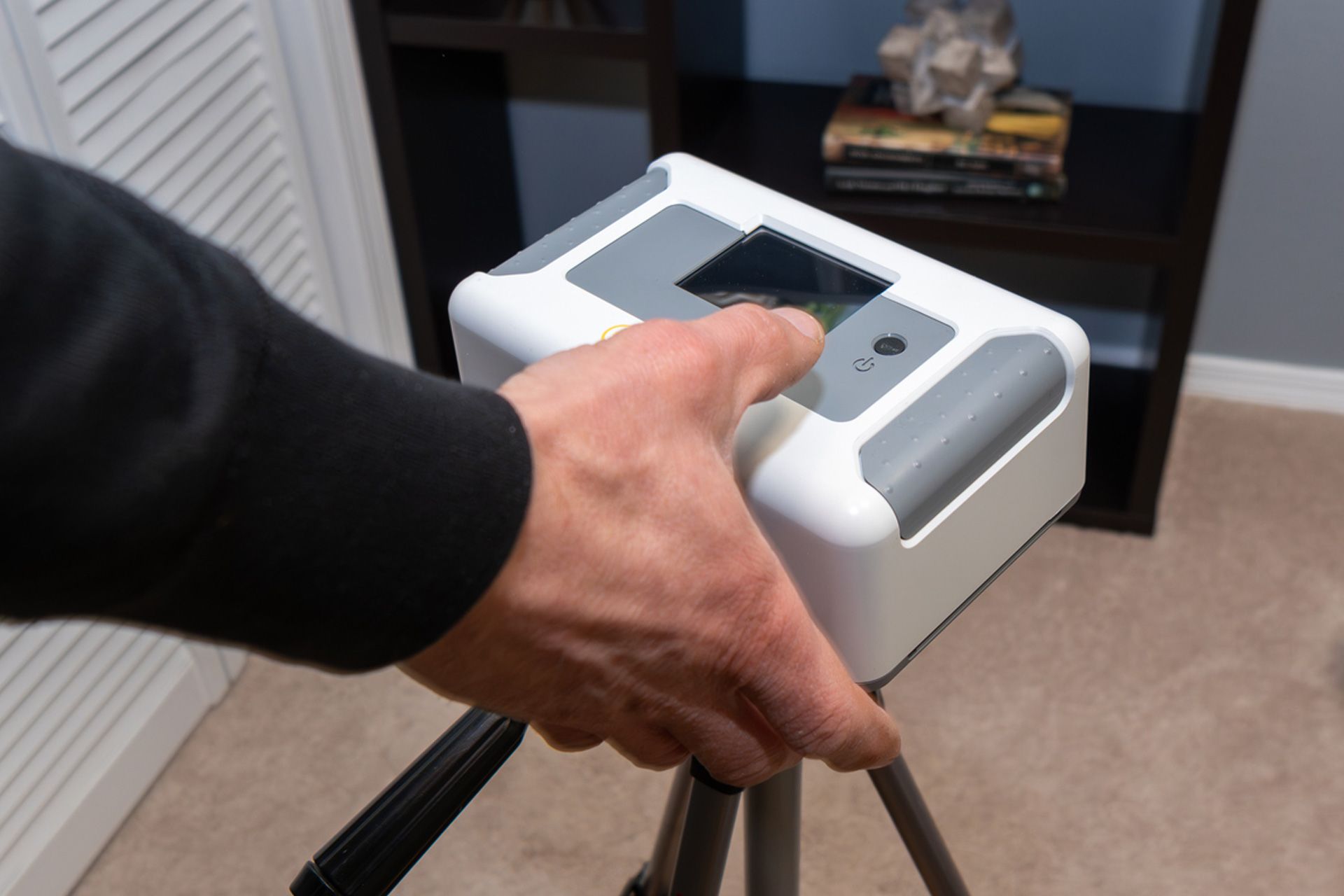
Thermal imaging uses a special camera that reads surface temperature. Wet areas often show different temperatures than dry areas nearby. This can happen because moisture changes how materials hold and release heat.
During the inspection, the camera may scan areas like:
- Walls
- Ceilings
- Floors
- Basement areas
- Attics
- Around windows
- Near plumbing fixtures
- Behind appliances
- Under sinks
- Around HVAC equipment
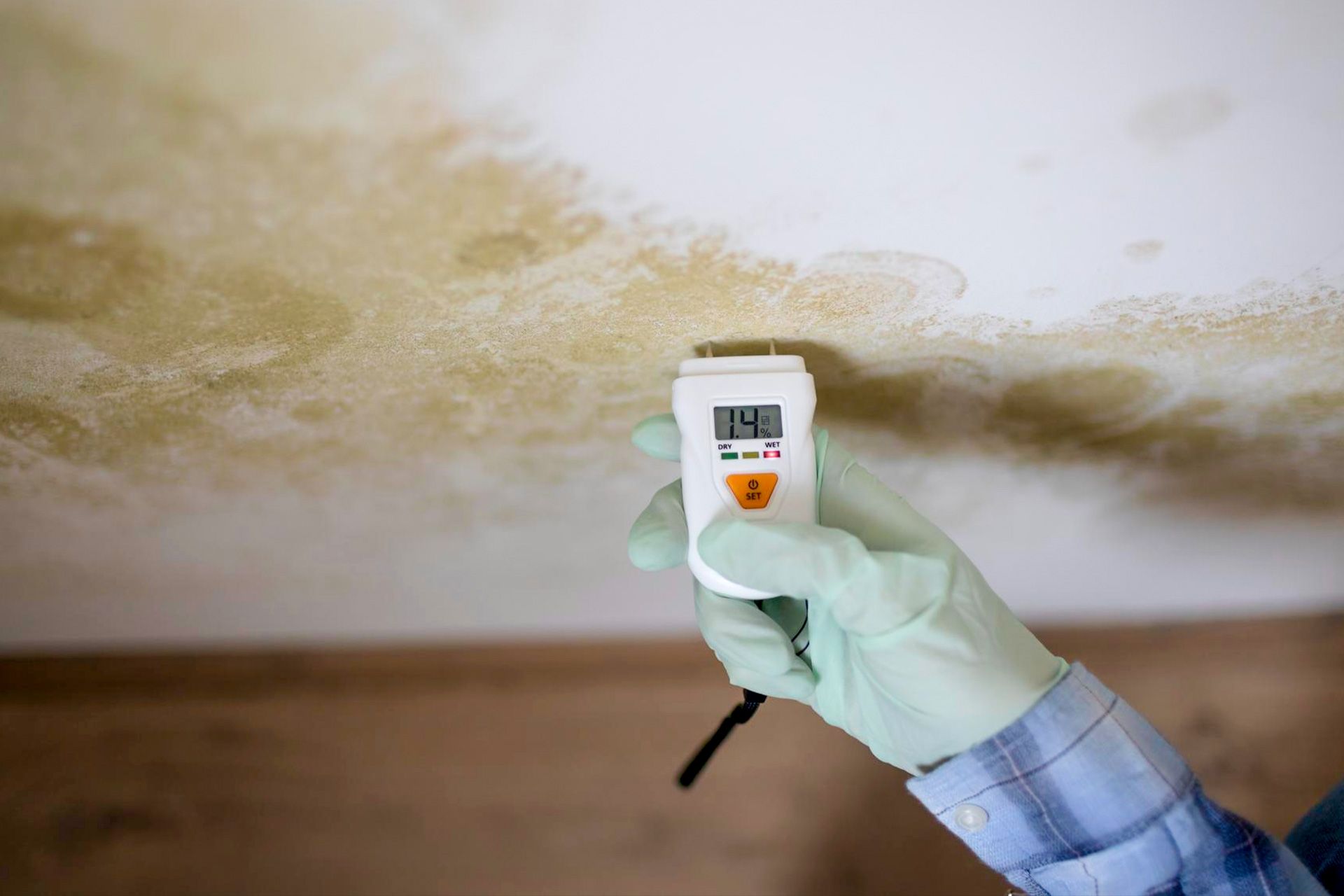
If the camera shows a suspicious pattern, the inspector may check the area with a moisture meter. This helps confirm whether moisture is actually present.
Thermal cameras do not measure moisture directly. They help narrow down areas that may need further testing. Moisture meter and thermal imaging sources explain that thermal cameras detect surface temperature differences, while moisture meters help confirm whether moisture is present in building materials.
Can Thermal Imaging Detect Mold?
This is one of the most important things to understand. Thermal imaging does not detect mold itself.
It can help detect conditions that may support mold growth, such as:
- Hidden moisture
- Water leaks
- Damp drywall
- Wet insulation
- Condensation
- Air leaks
- Cold spots
- Poor ventilation
- Plumbing leaks
- Roof leak patterns
Mold often grows where moisture stays too long. So, finding moisture early can help prevent bigger mold concerns. Thermal imaging can help inspectors find signs of hidden moisture without opening walls or floors, but the results still need proper interpretation.
Why Moisture Matters So Much
Mold needs moisture, a food source, and the right conditions. Homes already have many materials that can support mold growth if they stay wet.
These materials may include:
- Drywall
- Wood framing
- Paper facing on insulation
- Carpet
- Subflooring
- Ceiling tiles
- Baseboards
- Cabinets
- Trim
If a small leak stays hidden, it can create a bigger issue over time. A bathroom wall, basement corner, or ceiling below a roof leak may look normal at first. Thermal imaging can help locate patterns that suggest something is not right.
What Inspectors Look For
During a thermal scan, the inspector looks for unusual temperature patterns. These patterns do not always mean mold. They simply tell the inspector where to investigate further.
Inspectors may look for:
- Cool spots on walls or ceilings
- Temperature changes around plumbing
- Wet insulation patterns
- Ceiling areas below bathrooms
- Roof leak patterns
- Moisture near basement walls
- Condensation near windows
- HVAC-related moisture
- Damp areas behind finished surfaces
After finding a concern, the inspector may use other tools to confirm the issue. A thermal camera is often the starting point, not the final answer.
Common Places Moisture Hides
Some areas of a home are more likely to have moisture concerns than others. These areas deserve closer attention during a mold-related inspection.
Common moisture-prone areas include:
- Bathrooms
- Kitchens
- Laundry rooms
- Basements
- Crawl spaces
- Attics
- Around windows
- Below roof valleys
- Near chimneys
- Around exterior doors
- Under sinks
- Around water heaters
- Behind washing machines
These locations often have plumbing, ventilation, or exterior exposure. That makes them more likely to develop moisture problems.
Benefits Of Thermal Imaging During Mold Inspections
Thermal imaging can make a mold-related inspection more useful when it is used correctly. It helps the inspector focus on areas that may otherwise be missed.
Key benefits include:
- Helps find hidden moisture clues
- Reduces guesswork
- Supports a more detailed inspection
- Can limit unnecessary wall openings
- Helps identify possible leak locations
- Gives visual information for reports
- Helps prioritize areas for moisture testing
- May catch concerns earlier
This can be helpful for buyers, sellers, and current homeowners. It gives a better view of possible moisture concerns before they become larger problems.
What Thermal Imaging Cannot Do
Thermal imaging is helpful, but it has limits. Homeowners should know what it can and cannot show.
It cannot:
- Confirm mold growth
- Identify mold type
- See through walls
- Measure moisture by itself
- Replace air or surface mold testing
- Replace a full home inspection
- Replace a qualified mold professional
- Find every hidden issue
A thermal image can show a pattern, but that pattern may be caused by different things. Moisture is one possibility. Missing insulation, air movement, and temperature differences can also create similar patterns.
That is why experience matters. The inspector must understand the home, the conditions, and the tools.
Thermal Imaging And Moisture Meters Work Together
The best approach is often to use thermal imaging with a moisture meter. The camera helps locate suspicious areas. The moisture meter helps check whether the material is actually wet.
A simple process may look like this:
- Scan the area with a thermal camera
- Identify unusual temperature patterns
- Check the area visually
- Use a moisture meter if needed
- Document the finding
- Recommend next steps if concern is confirmed
This process helps reduce false alarms. It also gives homeowners clearer information.
When Should Homeowners Schedule This Type of Inspection?
You may want a mold-related thermal scan if you notice signs of moisture or indoor air concerns.
Common reasons include:
- Musty smells
- Past roof leaks
- Water stains
- Basement dampness
- Recent flooding
- Plumbing leaks
- Condensation on windows
- Discoloration on walls
- Damp carpet
- Unexplained allergy-like symptoms
- Mold-like spots
- High indoor humidity
You may also consider it before buying a home, especially if the property has a history of moisture, basement issues, roof leaks, or poor ventilation.
Why Michigan Homes Need Moisture Awareness
Michigan homes deal with snow, rain, humidity, and freeze and thaw cycles. These conditions can lead to moisture in basements, attics, crawl spaces, and exterior walls.
Michigan homes may face:
- Basement seepage
- Ice dam leaks
- Roof leaks
- Crawl space moisture
- Attic condensation
- Poor bathroom ventilation
- Window condensation
- Foundation drainage issues
A local inspection team understands these patterns. That local knowledge helps when reviewing possible moisture issues in a home.
What Happens After A Concern Is Found?
If thermal imaging shows a suspicious area, the next step depends on what the inspector finds. Not every pattern is a major issue.
Possible next steps may include:
- Moisture meter confirmation
- Monitoring the area
- Repairing a plumbing leak
- Improving ventilation
- Fixing roof or flashing issues
- Drying wet materials
- Calling a mold specialist
- Testing air or surfaces if needed
- Removing damaged materials when required
The goal is to find the source of moisture. Mold-related concerns will keep coming back if the water problem is not fixed.
How Homeowners Can Reduce Mold Risk
The best way to reduce mold risk is to control moisture.
Helpful steps include:
- Fix leaks quickly
- Keep gutters clean
- Extend downspouts away from the home
- Use bathroom exhaust fans
- Vent dryers outside
- Improve basement drainage
- Keep indoor humidity under control
- Check under sinks often
- Repair roof leaks early
- Watch for window condensation
- Keep crawl spaces dry
- Address musty odors quickly
Simple maintenance can make a big difference. Most mold problems start with water, so moisture control is the first priority.
Conclusion
Mold thermal imaging inspection services can help homeowners find moisture clues that may not be visible during a normal walkthrough. A thermal camera does not confirm mold, but it can show temperature patterns that point to possible hidden water problems.
When paired with visual review and moisture testing, thermal imaging gives homeowners better information. It can help identify leaks, damp materials, condensation, and other conditions that may support mold growth.
If you are concerned about moisture or possible mold in a Michigan home, Elevate Inspection Group can help. Our team uses practical inspection tools and clear reporting to help you understand visible concerns and make confident decisions about your property.
FAQs
Can Thermal Imaging Detect Mold?
No. Thermal imaging cannot detect mold directly. It can help find moisture patterns that may support mold growth.
What Do Mold Thermal Imaging Inspection Services Check?
They check for temperature patterns that may point to hidden moisture, leaks, wet insulation, condensation, or damp building materials.
Is Thermal Imaging Better Than Mold Testing?
They do different things. Thermal imaging helps locate possible moisture. Mold testing can help confirm mold presence or type when needed.
Does A Thermal Camera See Through Walls?
No. It does not see through walls. It reads surface temperature differences that may suggest hidden concerns.
Why Is A Moisture Meter Used With Thermal Imaging?
A moisture meter helps confirm whether a suspicious thermal pattern is actually caused by moisture.
When Should I Schedule A Mold Related Inspection?
Schedule one if you notice musty smells, water stains, damp areas, past leaks, basement moisture, or mold like spots.
What Should I Do If Moisture Is Found?
Find and fix the moisture source first. Then dry the area and contact the right professional if mold testing or remediation is needed.
Disclaimer: The information on this website and blog is for general informational purposes only and is not professional advice. We make no guarantees of accuracy or completeness. We disclaim all liability for errors, omissions, or reliance on this content. Always consult a qualified professional for specific guidance.
Search
Recent Post