Why Regular Pest and Termite Inspections Matter in Wayne County, Michigan
Pest and termite problems are easier to manage when homeowners catch warning signs early. The challenge is that many pests stay hidden in walls, basements, crawl spaces, attics, and exterior wood areas. By the time a homeowner sees clear damage, the issue may already need more attention.
That is why timing matters. A termite inspection in MI is not only useful after damage appears. It can also help during a home purchase, before selling, after moisture problems, or when older wood components begin to show signs of wear.
This guide explains when to schedule a pest and termite inspection in Wayne County, what risk factors matter most, and why regular reviews can help protect your home from hidden concerns.
Why Inspection Timing Matters
Many homeowners wait until they see pests before scheduling an inspection. That approach can leave problems hidden for too long. Pests often enter through small openings, follow moisture, or settle in quiet areas where people do not look often.
Termites are especially difficult to notice because they can damage wood from the inside. Other pests may leave signs such as droppings, nesting material, gnaw marks, damaged insulation, or odors. A home inspection in Wayne County helps identify visible signs before they turn into larger concerns.
Good timing helps homeowners take action based on evidence, not guesswork. The inspection can show whether there are visible signs of activity, moisture conditions, entry points, or wood damage that deserve attention.
Should Homeowners Schedule Annual Inspections?
Annual pest and termite inspections are useful for many properties, especially homes with known risk factors. Not every home has the same level of risk, but regular reviews can help homeowners track changes over time.
Homes with basements, crawl spaces, older framing, wood decks, drainage concerns, or a history of pest activity may benefit from more consistent inspections. These homes often have more areas where moisture or pests can remain hidden.
A yearly pest and termite inspection can also help homeowners stay ahead of seasonal changes. Rain, snowmelt, humidity, and freezing conditions can affect exterior wood, foundations, and lower-level moisture. These conditions may create new pest risks even when the home looked fine the year before.
Buying a Home? Schedule Before Closing
A home purchase is one of the most important times to schedule a pest or termite inspection. Buyers usually focus on the roof, plumbing, electrical system, and foundation, but pest-related issues can also affect a property's condition.
A termite inspection can help buyers understand whether there are visible signs of termite activity, wood damage, or moisture conditions near the structure. This information can support better decisions before closing.
A buyer should not rely only on a quick walkthrough. Fresh paint, finished basements, and clean interiors do not always show what is happening in crawl spaces, sill plates, utility areas, garages, or exterior wood components.
When possible, schedule the inspection early enough to review the report, ask questions, and discuss next steps if concerns are found.
Selling a Home? Inspect Before Listing
Sellers can also benefit from pest and termite inspections. Finding a concern before the home goes on the market allows the seller to understand the issue and decide how to handle it.
An inspection before listing may help reduce surprises during the buyer’s inspection period. It can also show that the seller is taking the property condition seriously.
For sellers, the goal is not to make the home seem perfect. No home is perfect. The goal is to understand visible concerns ahead of time so the selling process is smoother and more informed.
Previous Termite or WDI Activity Needs Follow-Up
Homes with prior termite or other wood-destroying insect activity warrant closer attention. Even if treatment was completed in the past, the property may still have conditions that need monitoring.
Previous activity may leave behind damaged wood, old mud tubes, or areas where moisture helped attract pests. A current inspection can help determine whether visible signs have changed or whether new concerns have appeared.
An inspection can be especially helpful when homeowners do not have complete records from past owners. If you bought a home and later learned about past termite concerns, scheduling an inspection can help you better understand the current condition.
Older Homes and Exposed Wood
Older homes often have more areas that need careful review. Aging wood, basement framing, porch supports, trim, decks, and crawl space components can all be affected by moisture, wear, or pest activity over time.
A termite inspection is especially helpful for older homes because inspectors know where signs are most likely to appear. They can review accessible areas for visible damage, mud tubes, moisture concerns, and wood that may be too close to soil.
Homeowners should pay attention to wood that feels soft, hollow, cracked, or damaged. They should also watch for areas where exterior wood touches soil or where water collects near the foundation.
Basement and Crawl Space Moisture
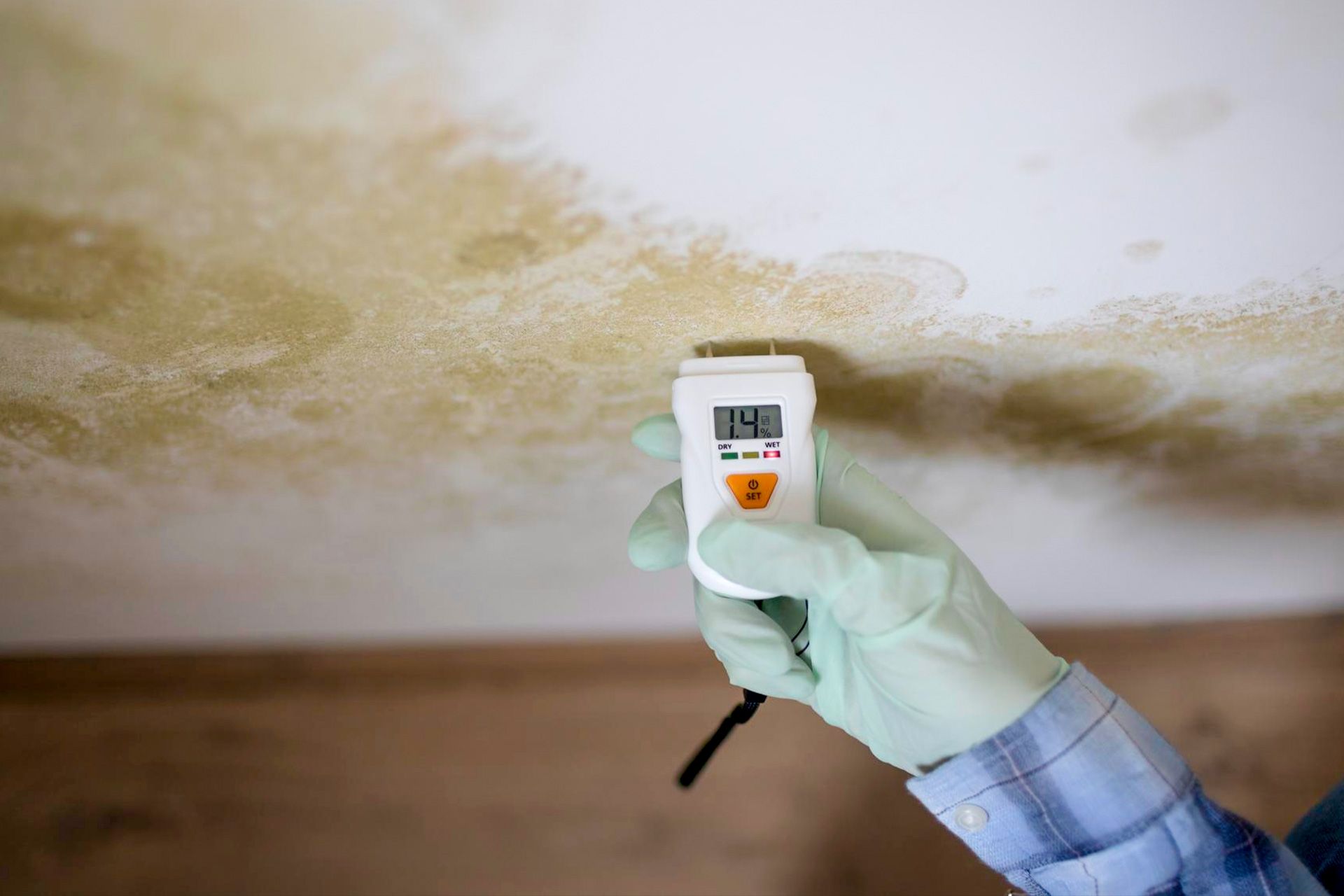
Moisture is one of the biggest risk factors for pest and termite concerns. Damp spaces can attract insects, support mold growth, weaken materials, and make conditions more favorable for wood damage.
Basements and crawl spaces deserve special attention because they are close to the soil and often have limited airflow. Leaks, condensation, poor ventilation, and water stains can all point to conditions that need review.
A home inspection can help identify visible moisture clues that may indicate pest risk. The inspector may inspect foundation areas, floor framing, sill plates, plumbing penetrations, and other accessible locations where pests may enter or where moisture may collect.
Drainage and Grading Problems
Water should move away from the home, not toward it. When grading slopes toward the foundation or downspouts discharge too close to the house, moisture can collect near the structure.
Over time, poor drainage can affect basements, crawl spaces, siding, trim, and foundation areas. These conditions may increase the chance of pest activity around the home. Correcting drainage concerns can support better long-term home maintenance.
Renovations and Additions Can Change Risk
Home improvements can change how water moves around a property. Additions, decks, patios, landscaping, and grading work may create new moisture patterns or block access to areas that were once easy to inspect.
Pest inspection is helpful after major exterior changes because it can identify new entry points, wood-to-soil contact, or drainage concerns. Even well-planned renovations can create hidden risk if water is not managed properly.
Homeowners should also consider an inspection before finishing a basement or enclosing a crawl space. Once walls, flooring, or insulation are installed, some areas become harder to review.
How Inspection Reports Help Homeowners
A good inspection report should explain findings in simple language. It should not leave homeowners confused or unsure about what was observed.
The report may include photos, notes, visible concerns, and recommendations for further evaluation when needed. This documentation helps homeowners decide whether maintenance, repair, or pest treatment should be discussed with the right professional.
For buyers, the report can support negotiations and planning. For sellers, it can help reduce surprises. For current homeowners, it can guide maintenance and help track year-to-year changes.
Conclusion
A termite inspection can help identify visible signs of activity and risk conditions before they become larger concerns. Regular inspections also give homeowners clearer information for maintenance, planning, and property protection.
At Elevate Inspection Group, we provide detailed inspections that help homeowners and buyers understand the true condition of a property. Our reports are clear, photo-supported, and easy to read, so you can see exactly what was found. We explain findings in simple language and help you understand why they matter for safety, maintenance, and future planning.
With local experience and a client-focused approach, our team gives you the information you need to make confident property decisions. Schedule your pest and termite inspection with Elevate Inspection Group today.
FAQs
How often should I schedule a pest or termite inspection?
Many homeowners schedule inspections annually, especially if the home has moisture issues, older wood components, crawl spaces, or a history of pest activity. Buyers should also schedule an inspection before closing.
Should I get an inspection if I do not see pests?
Yes. Some pests stay hidden until the problem becomes larger. An inspection can identify visible clues such as moisture, damaged wood, entry points, or other warning signs.
Is a pest inspection useful before selling a home?
Yes. Sellers can use an inspection to understand potential concerns before listing. This may help reduce surprises during the buyer’s inspection period.
What areas are most important during a termite inspection?
Important areas include basements, crawl spaces, foundation walls, sill plates, garages, exterior wood, decks, and places where moisture or wood-to-soil contact exists.
What should I do if the inspection finds pest activity?
If activity is found, review the report carefully and ask what further evaluation is recommended. Treatment decisions should be handled by a qualified pest control professional when an active infestation is suspected.
Disclaimer: The information on this website and blog is for general informational purposes only and is not professional advice. We make no guarantees of accuracy or completeness. We disclaim all liability for errors, omissions, or reliance on this content. Always consult a qualified professional for specific guidance.
Search
Recent Post