Why Mold Inspection Is Important Before Buying a Home in Michigan
Buying a home is exciting, but it also comes with important risks to review before closing. A house may look clean during a showing, yet still have hidden moisture or mold concerns behind walls, above ceilings, in basements, or inside attic spaces. These issues can affect comfort, air quality, and future maintenance plans.
That is why a mold inspection in Michigan can be an important step for buyers. It helps identify visible mold concerns, moisture patterns, and areas that may need further review before you make a final decision. For many buyers, the goal is simple: understand the home better before taking ownership.
A standard property walkthrough is not enough to find every concern. Mold can grow where water has entered, where ventilation is poor, or where past leaks were never fully corrected. A careful inspection gives buyers clearer information and helps reduce guesswork.
Why Mold Matters During the Buying Process
For homebuyers, this matters because moisture problems can affect drywall, insulation, wood materials, flooring, and indoor comfort. A professional mold inspection in Michigan helps buyers understand whether visible staining, musty odors, or damp conditions may require attention.
Mold concerns can also affect negotiations. If an inspection finds moisture or visible growth, buyers can ask questions, request more information, or speak with qualified professionals before moving forward. This can lead to better decisions during the inspection period.
Mold Can Hide in Places Buyers Do Not Check
Most buyers focus on the kitchen, bedrooms, bathrooms, basement size, and overall layout. That is normal, but mold concerns often appear in less obvious places.
Inspectors may review areas such as:
- Attics: Poor ventilation, roof leaks, or bathroom fans venting into the attic can create moisture concerns. These areas are easy for buyers to miss during a showing.
- Basements and crawl spaces: Lower areas of the home often have higher moisture exposure. Water seepage, damp walls, or poor airflow may increase the chance of mold growth.
- Around plumbing fixtures: Small leaks under sinks, near toilets, behind tubs, or around laundry areas can create hidden moisture.
- Window and exterior wall areas: Condensation, failed seals, or past water entry can leave stains and damage near windows or exterior walls.
These hidden areas are one reason mold testing for home buyers can be useful when visible signs or moisture concerns are present.
What a Mold Inspection Looks For
It is a focused review of conditions that may support mold growth. The inspector is not just looking for obvious black or green spots. A good inspection also considers moisture, ventilation, drainage, odors, and visible damage.
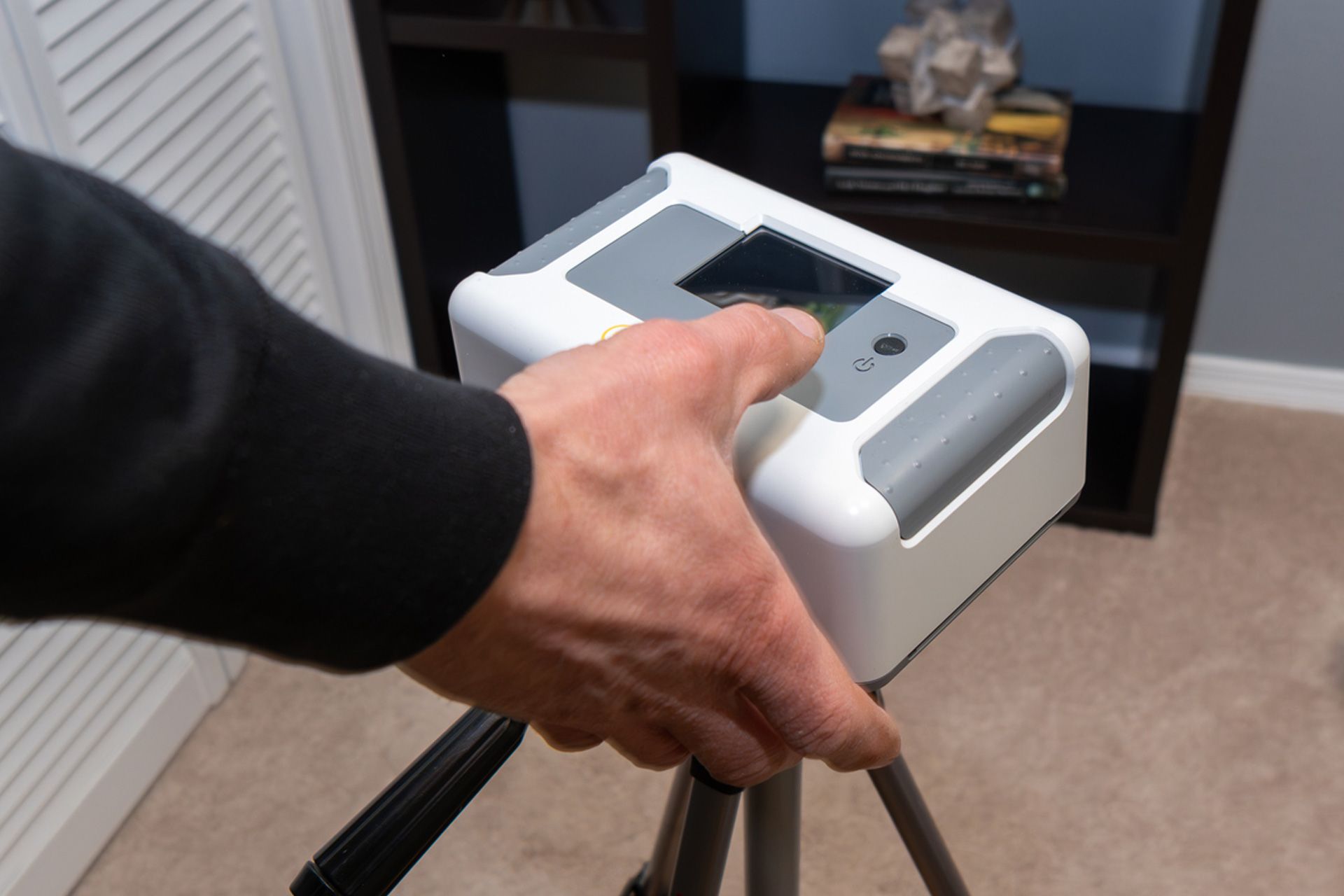
The process may include checking accessible areas for staining, water marks, damp materials, musty smells, and signs of previous leaks. Moisture tools may be used to help identify areas that need closer attention.
A mold inspection can also help buyers separate minor surface concerns from larger conditions that may require further evaluation. The report should explain what was observed in simple language and include photos when possible.
When Mold Testing May Be Helpful
Not every mold concern requires testing. If visible mold and moisture are clear, the next step may be fixing the water source and addressing the affected materials. However, mold testing can help in certain real estate situations.
Testing may be considered when there is a musty odor but no visible growth, when a buyer wants more documentation, or when moisture concerns are found in hidden areas. It may also help when buyers need clearer information before making a decision.
Mold testing for home buyers should be viewed as part of a home inspection process. Testing alone does not explain why the issue exists. The most useful approach combines visual inspection, moisture review, property history, and lab analysis when appropriate.
Why Michigan Homes Need Careful Moisture Review
Homes in this region can face snow, rain, humidity, freeze-and-thaw cycles, and seasonal moisture changes. These conditions can affect basements, attics, crawl spaces, roofing, siding, and drainage around the home.
A finished basement may look attractive but still show hidden signs of past seepage. An attic may have moisture staining due to poor ventilation. A bathroom may show signs of excess humidity if exhaust fans do not work properly.
That is why mold testing is often considered during home purchases when there are moisture clues. Buyers should not assume a home is free of concerns just because it looks clean during a short visit.
Warning Signs Buyers Should Take Seriously
Some signs should prompt buyers to ask for a closer review before closing.
- Musty odors: A damp or stale smell may suggest hidden moisture. Even if no growth is visible, odors should be investigated.
- Water stains: Stains on ceilings, walls, baseboards, or basement surfaces may point to past or active water issues.
- Damp materials: Soft drywall, swollen trim, warped flooring, or wet insulation can signal moisture problems.
- Poor ventilation: Bathrooms, kitchens, attics, and laundry areas need proper airflow to help control humidity.
- Recent repairs: Fresh paint, new drywall, or replaced flooring may be normal updates, but buyers should ask whether water damage was involved.
These signs do not always mean a serious problem exists, but they do justify careful review.
How Mold Findings Can Affect a Home Purchase
Mold findings give buyers more information before they commit to the property. They may help buyers decide whether to move forward, ask for repairs, request documentation, or seek further evaluation from a remediation professional.
A mold inspection can also help buyers plan future maintenance. For example, the report may point out poor bathroom ventilation, drainage concerns near the foundation, or signs of past basement moisture. These are practical items buyers can address after purchase if they choose to proceed.
Mold testing for home buyers is especially helpful when emotions are high, and decisions need to be made quickly. Clear results and inspection notes can make the process feel less uncertain.
Questions to Ask Before Closing
Before buying a home with possible mold or moisture concerns, ask clear questions. Good questions help you understand both the condition and the cause.
Ask whether the seller knows of past leaks, basement water, roof repairs, plumbing issues, or previous mold cleanup. Ask whether any work was completed by professionals and whether documentation is available. Ask your inspector what areas could be reviewed further and whether additional specialists should be involved.
These questions help you avoid relying on appearances alone. They also create a clearer picture of how the home has been maintained.
Choosing the Right Inspection Team
Homebuyers need inspectors who communicate clearly and understand moisture-related concerns. A good inspection company should explain findings in plain language, provide photo-supported reports, and help buyers understand why certain issues matter.
When scheduling mold testing, choose a team that focuses on both testing and the conditions that may cause mold. The best information comes from understanding the home as a whole, not just collecting samples.
A detailed report should help you make informed decisions, not leave you more confused.
Conclusion
Mold testing for home buyers can provide added documentation when needed, especially when signs are unclear or moisture concerns are found. It can support better decisions, stronger planning, and greater confidence during the home buying process.
At Elevate Inspection Group, we help buyers understand the condition of a home with detailed mold inspections, clear reporting, and simple explanations. Our team focuses on practical findings that support informed property decisions.
Schedule your mold inspection with Elevate Inspection Group today.
FAQs
Is mold testing necessary before buying a home?
Yes, it can be very helpful, especially if the home has moisture signs, musty odors, past water damage, or basement concerns. It gives buyers better information before closing.
Can a regular home inspection find mold?
A standard inspection may note visible mold-like growth or moisture signs, but a focused mold inspection provides a closer review of moisture conditions and possible problem areas.
When should buyers request mold testing?
Buyers may request testing when there is a musty smell, visible staining, suspected hidden growth, or a need for clearer documentation during the purchase process.
Can mold grow in newer homes?
Yes. Newer homes can develop mold if there are leaks, poor ventilation, high humidity, or moisture trapped during construction.
What should I do if mold is found before closing?
Review the inspection report, ask questions, and consider further evaluation by a qualified professional. Buyers can then decide how to handle the issue before moving forward.
Disclaimer: The information on this website and blog is for general informational purposes only and is not professional advice. We make no guarantees of accuracy or completeness. We disclaim all liability for errors, omissions, or reliance on this content. Always consult a qualified professional for specific guidance.
Search
Recent Post