Home Maintenance Inspection Checklist for Homeowners
Owning a home is a big responsibility. Even when everything looks fine, small issues can build up quietly. A loose gutter, a slow leak, a dirty dryer vent, or poor drainage can turn into a bigger problem if it is ignored.
A home maintenance inspection helps homeowners stay ahead of repairs. It is a regular review of the home’s major areas, systems, and safety items. The goal is simple: find small concerns early, keep the home safer, and protect its long-term condition.
A good maintenance plan does not need to feel overwhelming. Many tasks are simple visual checks. Others may need a professional. Seasonal home maintenance guides often recommend checking gutters, exhaust ducts, dryer vents, outdoor faucets, water damage signs, pests, and safety devices throughout the year.
What Is a Home Maintenance Inspection?
A home maintenance review is a checkup for your house. Instead of waiting until something breaks, you look at key areas on a regular schedule.
It may include checking:
- Roof and gutters
- Exterior siding and trim
- Foundation and grading
- Windows and doors
- Plumbing fixtures
- Electrical safety items
- Heating and cooling systems
- Attic and insulation
- Basement or crawl space
- Smoke and carbon monoxide alarms
- Dryer vents
- Signs of pests or moisture
This type of inspection is helpful whether your home is new, older, recently purchased, or owned for many years.
Why Homeowners Need a Maintenance Checklist
A homeowner inspection checklist helps you stay organized. Without a list, it is easy to forget small tasks until they become urgent.
Regular checks can help you:
- Find leaks early
- Reduce safety risks
- Protect your roof and foundation
- Improve comfort
- Help systems last longer
- Avoid surprise repairs
- Keep records of home care
- Prepare for future resale
A house is easier to maintain when you break tasks into monthly and seasonal steps. Small routine checks can help homeowners catch leaks, moisture problems, clogged gutters, worn seals, and safety concerns before they turn into larger repair issues.
Monthly Home Maintenance Checklist
Some tasks should be checked every month. These are simple but important.
Monthly checks may include:
- Test smoke alarms
- Test carbon monoxide detectors
- Check fire extinguishers
- Look under sinks for leaks
- Check toilets for running water
- Replace or check HVAC filters
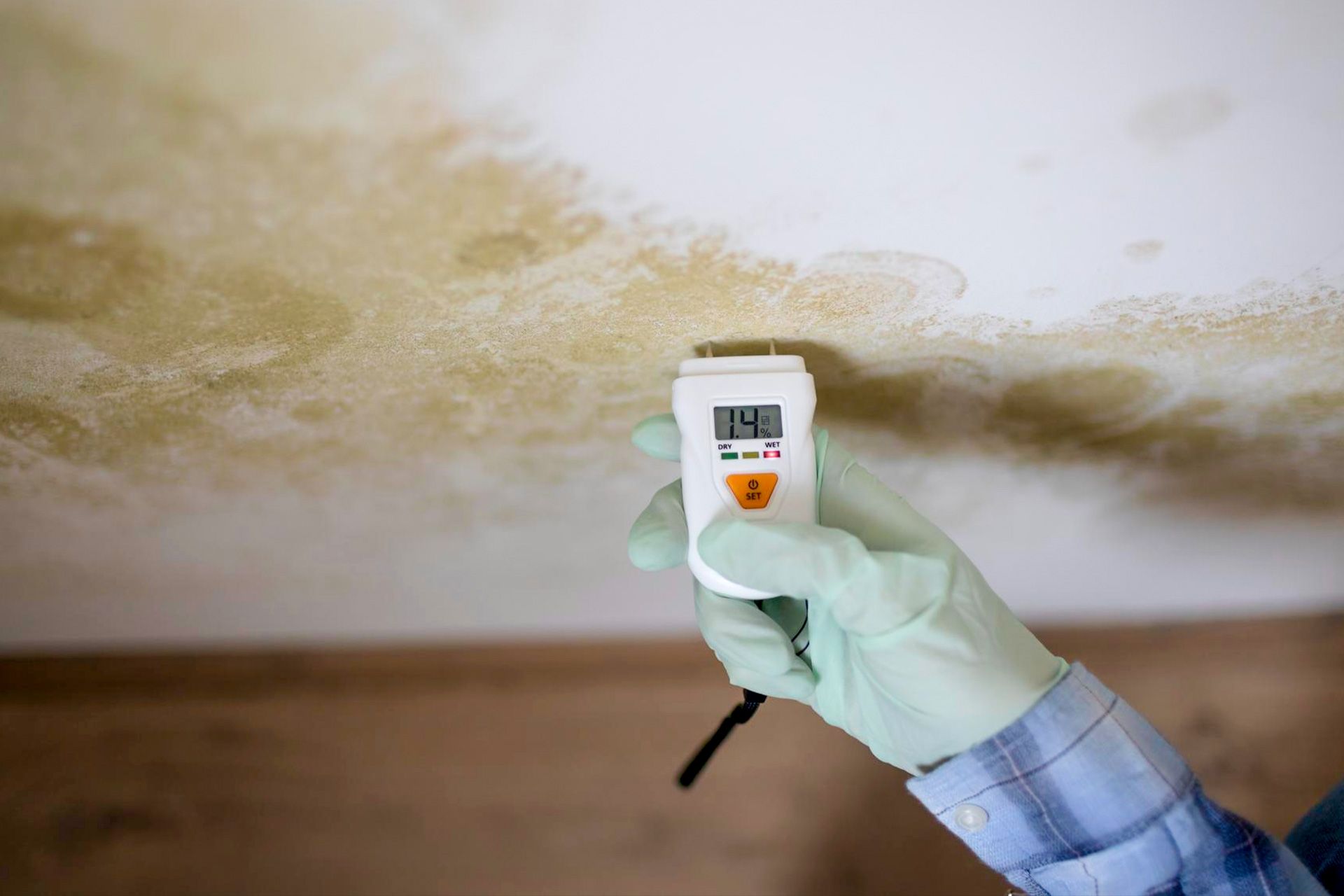
- Look for water stains on ceilings
- Check basement moisture
- Inspect around windows for drafts
- Clean kitchen range filters
- Look for pests or droppings
- Make sure vents are not blocked
These checks do not take long. But they can help you catch problems before they spread.
Exterior Checklist
The outside of the home protects everything inside. Weather, water, wind, sun, snow, and ice can all affect exterior materials.
Check the exterior for:
- Loose siding
- Peeling paint
- Cracked caulk
- Damaged trim
- Loose railings
- Cracked steps
- Damaged walkways
- Trip hazards
- Poor drainage
- Soil touching wood siding
- Gaps around doors and windows
- Signs of pests
Pay close attention to areas where water may enter. Small gaps around windows or doors can lead to moisture damage over time.
Roof And Gutter Checklist
The roof and gutters play a major role in keeping water away from the home. When gutters clog or downspouts drain too close to the foundation, water can create damage.
Check for:
- Missing shingles
- Damaged flashing
- Sagging gutters
- Clogged gutters
- Loose downspouts
- Water spilling near the foundation
- Tree branches touching the roof
- Stains under roof edges
- Ice dam signs in winter
Many maintenance guides recommend cleaning gutters one or more times per year, depending on trees and debris around the home.
Plumbing Checklist
Plumbing problems can start small. A slow drip under a sink or a loose toilet can lead to damage if ignored.
Check plumbing areas such as:
- Sinks
- Toilets
- Tubs
- Showers
- Laundry connections
- Water heater area
- Basement pipes
- Outdoor faucets
- Sump pump area
Look for:
- Leaks
- Stains
- Rust
- Soft flooring
- Musty smells
- Slow drains
- Loose toilets
- Water heater corrosion
- Low water pressure
If you notice a leak, do not wait. Water damage often gets worse with time.
Electrical Safety Checklist
Homeowners should never attempt unsafe electrical work. Still, there are simple signs you can watch for.
Check for:
- Flickering lights
- Warm outlets
- Buzzing sounds
- Loose outlets
- Missing outlet covers
- Damaged cords
- Breakers that trip often
- Extension cords used long-term
- GFCI outlets in wet areas
- Open electrical boxes
Call a licensed electrician if you see burning smells, sparks, overheating, or repeated breaker problems.
Heating And Cooling Checklist
Heating and cooling systems work hard in Michigan. A little maintenance can improve comfort and help avoid breakdowns.
Check:
- Air filters
- Thermostat function
- Airflow from vents
- Outdoor AC unit clearance
- Furnace area
- Condensate drain lines
- Strange noises
- Unusual smells
- Uneven room temperatures
Homeowners should also keep the area around HVAC equipment clear. This helps airflow and gives technicians room to work.
Attic Checklist
The attic can reveal hidden problems. Many homeowners rarely look inside, but it is worth checking when safe and accessible.
Look for:
- Roof leaks
- Water stains
- Wet insulation
- Mold-like staining
- Poor ventilation
- Pest activity
- Missing insulation
- Bathroom fans venting into the attic
- Damaged roof decking
- Rusted nails
If the attic is unsafe or difficult to access, do not force it. Have a professional review it.
Basement And Crawl Space Checklist
Basements and crawl spaces are common places for moisture problems. In Michigan, seasonal weather can make these areas more vulnerable.
Check for:
- Damp walls
- Standing water
- Musty odors
- Foundation cracks
- Pest evidence
- Sump pump problems
- Wood rot
- Insulation damage
- Plumbing leaks
- Efflorescence on walls
- Poor ventilation
Moisture is one of the biggest warning signs. It can lead to damage, odors, pests, and mold-like growth.
Seasonal Maintenance Checklist
Seasonal checks help homeowners prepare for weather changes.
Spring
After winter, check for:
- Roof damage
- Gutter debris
- Foundation cracks
- Drainage problems
- Damaged screens
- Exterior caulking gaps
- Sump pump function
- Yard grading concerns
Summer
During warmer months, check:
- Decks and railings
- Exterior paint or siding
- Driveways and walkways
- AC performance
- Pest activity
- Window seals
- Outdoor faucets
- Landscaping near the home
Fall
Before cold weather, check:
- Gutters and downspouts
- Furnace operation
- Chimney condition
- Dryer vent
- Attic ventilation
- Outdoor hoses
- Weatherstripping
- Tree branches near the roof
Winter
During winter, watch for:
- Ice dams
- Frozen pipes
- Attic condensation
- Drafts
- Furnace issues
- Snow buildup near vents
- Water intrusion during thaw
- Carbon monoxide alarm function
Fannie Mae’s seasonal checklist also recommends fall tasks like cleaning gutters and downspouts, clearing exhaust ducts, cleaning dryer vents, draining outdoor faucets, and checking for pests or entry points.
Safety Items Homeowners Should Check
Safety checks should never be ignored.
Make sure you review:
- Smoke alarms
- Carbon monoxide alarms
- Fire extinguishers
- Stair railings
- Deck railings
- Garage door safety reverse
- GFCI outlets
- Exterior lighting
- Trip hazards
- Dryer vent condition
Small safety updates can reduce risk for your family and guests.
When To Call A Professional
Some maintenance tasks are simple. Others need the right training and tools.
Call a professional if you notice:
- Roof leaks
- Electrical hazards
- Foundation movement
- Sewer backups
- Mold-like growth
- Major plumbing leaks
- HVAC problems
- Structural cracks
- Pest or termite activity
- Unsafe decks or stairs
A homeowner checklist is useful, but it does not replace a professional inspection when there are bigger concerns.
How Often Should You Inspect Your Home?
A simple rhythm works best.
Most homeowners should do:
- Quick checks every month
- Seasonal checks four times per year
- Full maintenance review once per year
- Professional inspection when buying, selling, or seeing warning signs
Keeping a written record can help. Save notes, photos, repairs, and service receipts. This gives you a clear history of how the home has been cared for.
Conclusion
A home maintenance inspection helps homeowners protect their property, reduce surprises, and catch small problems early. By using a simple checklist, you can stay ahead of leaks, safety issues, roof concerns, drainage problems, and system wear.
You do not have to do everything in one day. Break the work into monthly and seasonal tasks. Focus on safety, water control, and major systems first.
If you want a clearer understanding of your home’s condition, Elevate Inspection Group can help. Our team provides detailed home inspection services in Michigan and explains findings in a simple, helpful way so you can make confident maintenance decisions.
FAQs
What Is A Home Maintenance Inspection?
It is a regular check of your home’s major systems, exterior, interior, safety items, and moisture risk areas to find problems early.
How Often Should Homeowners Inspect Their Home?
Homeowners should do quick monthly checks, seasonal reviews four times a year, and a more complete maintenance review at least once a year.
What Should Be On A Homeowner Inspection Checklist?
It should include the roof, gutters, exterior, foundation, plumbing, electrical safety, HVAC, attic, basement, crawl space, safety alarms, and drainage.
Why Is Home Maintenance Important?
Regular maintenance helps prevent bigger repairs, improves safety, protects comfort, and helps preserve the condition of the home.
Can I Do A Maintenance Inspection Myself?
Yes, many basic checks can be done by homeowners. But roof leaks, electrical hazards, structural concerns, mold, pests, and major system issues need professionals.
What Is The Most Important Area To Check?
Water control is one of the most important areas. Check the roof, gutters, plumbing, basement, crawl space, and drainage around the foundation.
Should I Keep Records Of Home Maintenance?
Yes. Keep photos, receipts, service records, and repair notes. These records help with future planning and may be useful when selling the home.
Disclaimer: The information on this website and blog is for general informational purposes only and is not professional advice. We make no guarantees of accuracy or completeness. We disclaim all liability for errors, omissions, or reliance on this content. Always consult a qualified professional for specific guidance.
Search
Recent Post