Mold Visual Inspection Services for Homes & Buildings
Mold is one of those problems homeowners do not want to ignore. Sometimes it is easy to spot, like dark staining on a wall or ceiling. Other times, the signs are more subtle. You may notice a musty smell, damp air, peeling paint, or stains near windows, plumbing, or basement walls.
Mold visual inspection services help identify visible mold-like growth and the moisture conditions that may be causing it. The goal is not just to point out stains. A good inspection looks for the source of the moisture, because mold often comes back if the water problem is not corrected.
A visual inspection is usually the first step when mold is suspected. It helps homeowners, buyers, sellers, landlords, and building owners understand what can be seen, what may need more testing, and what should be reviewed further.
What Is A Visual Mold Inspection?
A visual mold inspection is a careful review of visible and accessible areas where mold or moisture may be present. The inspector looks for signs of growth, staining, leaks, damp materials, poor ventilation, and water damage.
A visual inspection may include areas such as:
- Walls and ceilings
- Basements
- Crawl spaces
- Attics
- Bathrooms
- Kitchens
- Laundry rooms
- Window areas
- HVAC areas
- Under sinks
- Around plumbing fixtures
- Interior and exterior moisture areas
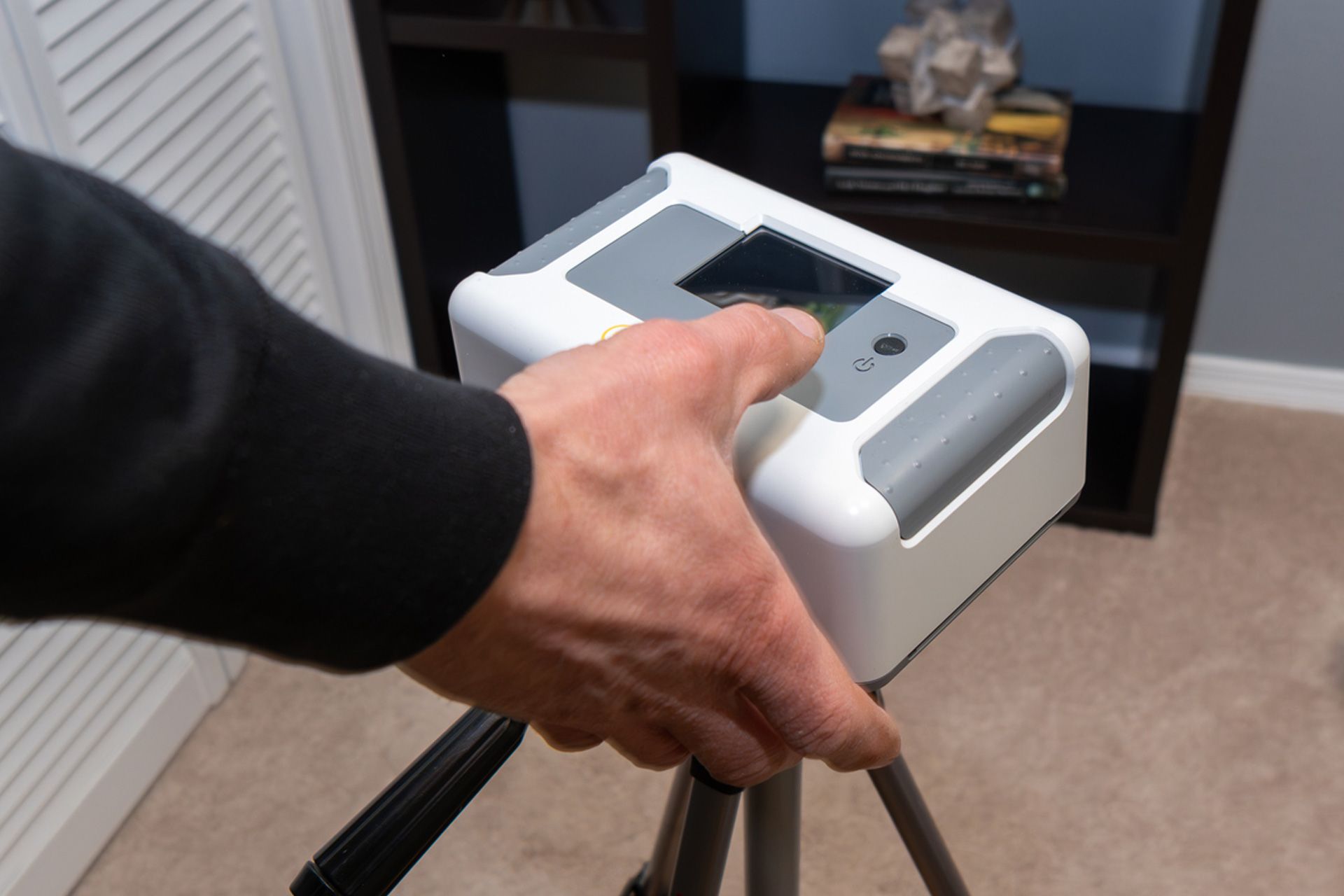
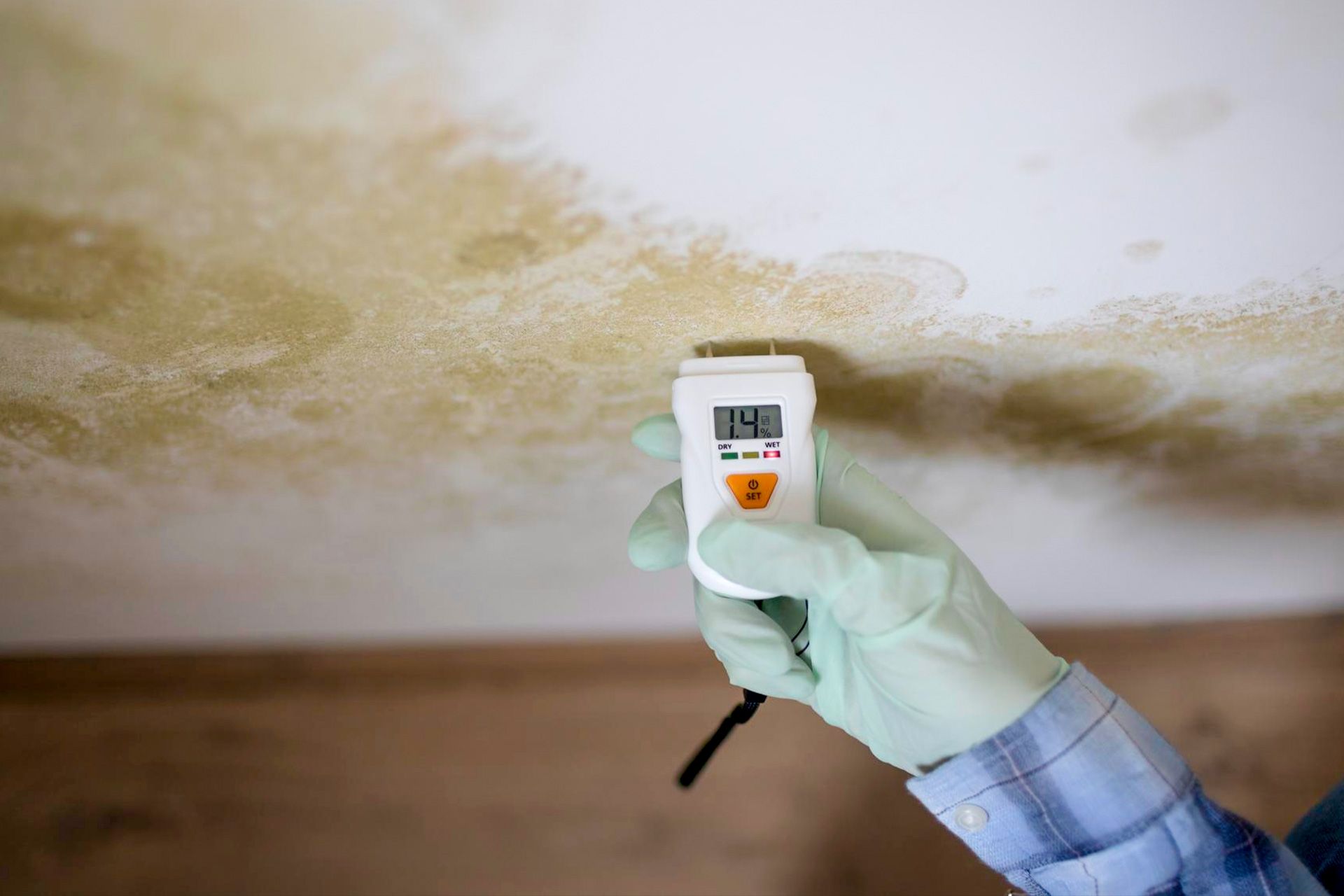
A visual mold inspection is often supported by simple tools such as a flashlight, camera, and sometimes a moisture meter. Mold inspection sources explain that visual inspections focus on finding visible growth and moisture issues, while testing may be used when more detail is needed.
Why Mold Inspections Matter
Mold usually grows when moisture is present. That moisture may come from a leak, condensation, flooding, poor ventilation, roof damage, or drainage problems.
A mold inspection matters because it can help identify the following:
- Visible mold-like growth
- Signs of hidden moisture
- Past or active water damage
- Leaks around plumbing
- Poor ventilation
- Basement dampness
- Attic condensation
- Crawl space moisture
- Areas that may need testing
- Conditions that may cause mold to return
The inspection helps you move from guessing to understanding. Instead of only cleaning a stain, you can look for the reason the stain appeared.
Common Signs You May Need A Mold Inspection
You do not need to wait until mold spreads across a wall. Early signs can be small.
You may want an inspection if you notice:
- Musty odors
- Dark spots on walls or ceilings
- Peeling paint
- Stains around windows
- Water marks on drywall
- Damp basement areas
- Recent leaks or flooding
- Condensation on windows
- Soft or swollen materials
- Mold-like spots near vents
- Allergy-like symptoms that feel worse indoors
Not every stain is mold, and not every odor means there is a major issue. But these signs are worth checking.
What Inspectors Look For
During the inspection, the inspector looks for both growth and moisture sources. That second part is very important. Cleaning visible mold without fixing moisture often leads to the same problem again.
Inspectors may look for:
- Water stains
- Active leaks
- Damp drywall
- Wet insulation
- Roof leak signs
- Plumbing leaks
- Poor bathroom ventilation
- Basement seepage
- Crawl space moisture
- HVAC condensation
- Mold like growth on surfaces
- Damaged wood or trim
- Musty odors
- Poor drainage near the building
A visual review can also help decide whether air or surface sampling is needed.
Visual Inspection VS. Mold Testing
A visual inspection and mold testing are not the same.
A visual inspection looks for visible signs and moisture conditions. Mold testing collects samples from the air or surfaces and sends them to a lab for analysis. InterNACHI explains that mold testing commonly includes air sampling and surface sampling, both of which require lab analysis.
Here is the simple difference:
- Visual inspection: Looks for visible growth and moisture clues
- Mold testing: Collects samples for lab review
- Visual inspection: Helps find likely problem areas
- Mold testing: Helps identify mold presence or type when needed
- Visual inspection: Usually comes first
- Mold testing: May be recommended after visual findings
Many homeowners do not always need testing right away. If visible growth and moisture are clear, the next step may be fixing the source and removing affected materials properly. Testing may be helpful when the source is unclear, symptoms are a concern, or documentation is needed.
Where Mold Is Commonly Found
Mold can grow anywhere moisture stays long enough. Some areas are more likely to have problems because they are exposed to water, humidity, or poor airflow.
Common mold-prone areas include:
- Bathrooms
- Shower walls
- Under sinks
- Around toilets
- Kitchens
- Laundry rooms
- Basements
- Crawl spaces
- Attics
- Around windows
- Behind furniture on exterior walls
- Near roof leaks
- Around HVAC equipment
In buildings, moisture may also collect around mechanical rooms, storage spaces, flat roof areas, and poorly ventilated rooms.
Mold In Homes Vs Commercial Buildings
Homes and commercial buildings can both have mold problems, but the causes may look different.
In homes, mold is often linked to:
- Bathroom moisture
- Basement dampness
- Roof leaks
- Plumbing leaks
- Window condensation
- Poor attic ventilation
- Crawl space moisture
In commercial buildings, concerns may include:
- HVAC condensation
- Roof leaks
- Poor ventilation
- Plumbing leaks
- High indoor humidity
- Moisture in storage areas
- Water damage after storms
- Leaks around flat roofs
A visual inspection helps narrow down where moisture is coming from and what areas need attention.
What A Visual Inspection Cannot Do
A visual inspection is useful, but it has limits. It cannot see through walls or confirm every hidden condition.
It cannot always:
- Confirm the exact mold type
- Find mold hidden deep inside walls
- Measure airborne mold levels
- Replace lab testing
- Replace remediation
- Remove mold
- Guarantee mold will not return
- Inspect unsafe or inaccessible areas
If hidden mold is suspected, further testing or specialist evaluation may be needed.
Tools That May Support The Inspection
A mold visual review may include more than just looking around. Inspectors may use tools to help find clues.
Common tools include:
- Flashlight
- Moisture meter
- Camera
- Thermal imaging camera
- Hygrometer
- Inspection mirror
A moisture meter can help check whether materials are damp. Thermal imaging can show temperature patterns that may suggest moisture, but it does not detect mold directly. Some inspection sources note that visual checks may be supported by moisture measurement, air sampling, surface sampling, and documentation depending on the situation.
Why Moisture Control Comes First
Mold cleanup without moisture control is not a complete solution. If the leak, condensation, or dampness remains, the issue may return.
Helpful moisture control steps include:
- Fix plumbing leaks
- Repair roof leaks
- Improve bathroom ventilation
- Use exhaust fans
- Clean gutters
- Extend downspouts
- Improve basement drainage
- Control indoor humidity
- Dry wet materials quickly
- Keep crawl spaces dry
- Seal exterior water entry points
The most important question is not only “Is there mold?” It is also “Why is this area staying wet?”
When Buyers Should Request A Mold Inspection
A buyer may want a mold inspection if the home has signs of moisture or poor ventilation.
Buyers should pay attention to:
- Musty smells during showings
- Fresh paint over stained areas
- Basement dampness
- Visible staining
- Prior water damage
- Poor drainage outside
- Roof leak history
- Crawl space moisture
- Attic condensation
- Mold-like spots around vents or windows
A mold concern does not always mean you should walk away. It means you should understand the issue before closing.
When Building Owners Should Schedule One
Building owners should not wait for complaints to become serious. Moisture problems can affect tenant comfort, building materials, and long-term maintenance.
A visual inspection may help after:
- Roof leaks
- Plumbing failures
- Flooding
- HVAC condensation issues
- Tenant odor complaints
- High humidity readings
- Water stains
- Storm damage
- Renovation work
- Long vacancy periods
Regular checks can help protect the building and reduce surprises.
Conclusion
Mold visual inspection services help homeowners and building owners identify visible mold-like growth, moisture concerns, and areas that may need further review. A visual inspection is often the first step because it helps locate the source of the problem, not just the stain on the surface.
While visual inspections cannot confirm every hidden issue or identify exact mold types without testing, they provide useful information. They help you understand where moisture may be entering, which areas need attention, and when lab testing or specialist help may be needed.
If you are concerned about mold or moisture in a Michigan home or building, Elevate Inspection Group can help. Our team provides clear inspection reports and practical explanations so you can better understand the property and take the right next step.
FAQs
What Are Mold Visual Inspection Services?
They are inspections that look for visible mold like growth, moisture problems, stains, leaks, poor ventilation, and conditions that may support mold growth.
Can A Visual Inspection Confirm Mold?
A visual inspection can identify mold like growth, but lab testing may be needed to confirm mold type or airborne levels.
Where Do Inspectors Look For Mold?
Inspectors often check bathrooms, kitchens, basements, crawl spaces, attics, windows, plumbing areas, HVAC areas, and places with stains or moisture.
Is Mold Testing Always Needed?
Not always. If visible growth and moisture are clear, testing may not be the first step. Testing can help when documentation or identification is needed.
What Causes Mold In Homes?
Common causes include plumbing leaks, roof leaks, poor ventilation, basement moisture, condensation, flooding, and high indoor humidity.
Can Mold Grow In Commercial Buildings?
Yes. Commercial buildings can develop mold from roof leaks, HVAC condensation, plumbing issues, poor ventilation, and water damage.
What Should I Do If Mold Is Found?
Find and fix the moisture source first. Then follow proper cleanup or remediation steps based on the size and location of the affected area.
Disclaimer: The information on this website and blog is for general informational purposes only and is not professional advice. We make no guarantees of accuracy or completeness. We disclaim all liability for errors, omissions, or reliance on this content. Always consult a qualified professional for specific guidance.
Search
Recent Post