The Ultimate Guide to Termite Inspections in Washtenaw and Wayne Counties
Termites can cause serious damage before a homeowner notices a problem. They often stay hidden behind walls, beneath floors, near foundations, and within wood. By the time clear signs appear, the damage may already be advanced.
That is why termite inspections are important for buyers, sellers, and current homeowners. A professional inspection helps identify visible signs of termite activity, moisture conditions, wood damage, and other clues that may point to a larger concern.
If you are buying or maintaining a home in southeast Michigan, understanding termite inspection services in Washtenaw County, MI, can help you make a smarter decision before small problems turn into costly surprises.
Why Termite Inspections Matter for Homeowners
It is not just a quick look around the house. It is a focused review of areas where termites and other wood-destroying insects may be active. Since termites often work quietly inside wood and soil, homeowners may not see them during daily life.
During a termite inspection, the goal is to find visible signs of activity, damage, moisture, and conditions that may attract termites. This can help buyers understand the risk before closing on a home. It can also help current homeowners take action before damage spreads.
In Michigan, the eastern subterranean termite is an important concern because it lives underground and can enter homes through small gaps, cracks, or wood that touches soil. These termites need moisture and a protected path to reach wood, which is why foundations, crawl spaces, basements, and damp areas deserve close attention.
What a Termite Inspector Looks For
A termite inspector focuses on both signs of activity and conditions that may support termite problems. The inspector checks accessible areas of the home and property where evidence may appear.
Common areas include the basement, crawl space, foundation walls, sill plates, floor framing, porch supports, garage areas, and any wood near soil. Inspectors may also check around windows, doors, plumbing areas, and places where moisture has been present.
Some common termite warning signs include mud tubes, soft or damaged wood, blistered wood surfaces, discarded wings, small openings in wood, and moisture conditions around the structure. Mud tubes are especially important because subterranean termites use them as protected pathways between the soil and the home.
A good inspection does more than point out damage. It explains where the concern is located, why it matters, and what the homeowner may need to do next.
Why Local Conditions Matter
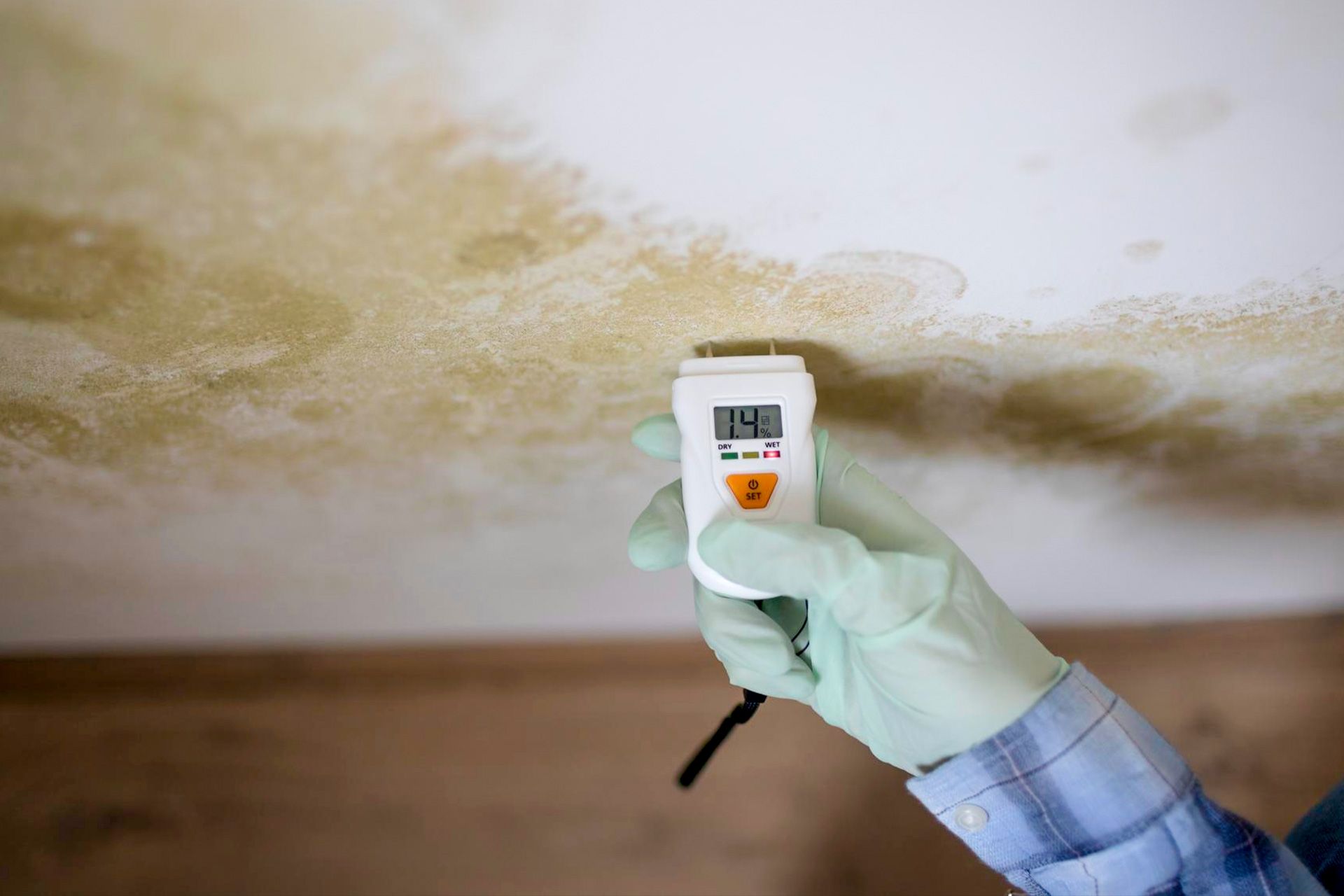
Homes in southeast Michigan can face moisture from rain, snowmelt, poor drainage, and damp basements. These conditions do not automatically mean termites are present, but moisture can make a property more attractive to wood-destroying insects.
Older homes may have crawl spaces, wood porch supports, or foundation details that require careful review. Newer homes can also have concerns if drainage is poor, wood debris was left near the foundation, or moisture collects around the structure.
This is why local experience matters. Professionals who understand regional housing styles, basement conditions, and common moisture patterns can provide more useful insight during the inspection.
When Should You Schedule a WDI Inspection?
Many homeowners wait until they see damage, but that is not always the best approach.
Homebuyers should consider an inspection before closing, especially if the home has a basement, crawl space, older wood framing, or visible moisture concerns. Sellers may also benefit from an inspection before listing the property, as it can reveal issues that may arise during the buyer’s due diligence period. For a deeper look at what buyers should understand before scheduling, review our guide on WDI and VA termite inspections for homebuyers.
Current homeowners should schedule an inspection if they notice soft wood, unexplained damage, wings near windows, mud tubes, musty lower-level areas, or recurring moisture near the foundation. If there has been a history of termite treatment at the property, periodic reviews may also be helpful.
What Happens After the Inspection?
After the inspection, the homeowner receives a report detailing what was observed. The report may include photos, notes, and recommendations for next steps.
If no visible evidence is found, the report gives helpful documentation of the accessible areas reviewed at that time. If concerns are found, the inspector may recommend further evaluation or treatment by a licensed pest control professional.
It is important to understand that inspection and treatment are different services. An inspection identifies visible evidence and risk conditions.
Choosing the Right Termite Inspection Services in Washtenaw County, MI
When choosing termite inspection services in Washtenaw County and Wayne County, MI, look for a company that clearly explains its findings and provides detailed documentation. You want more than a quick opinion. You want a careful inspection process that helps you understand the home.
A reliable inspector should be able to explain what was checked, what was found, and whether further evaluation is needed. Clear photos and plain language reporting are also important because they help buyers, sellers, and agents understand the results without confusion.
For buyers scheduling a home termite inspection in Washtenaw County, timing also matters. The inspection should be completed early enough in the transaction to allow time for review, questions, and next steps if concerns are found.
Why Inspections Protect Property Value
Termite damage can affect framing, flooring, trim, and other wood components. Even when damage is limited, it can raise concerns during a home sale or when planning future repairs.
An inspection helps protect property value by identifying visible concerns before they grow. It also gives homeowners a better understanding of moisture risks, maintenance needs, and structural areas that deserve attention.
For buyers, the inspection can support smarter negotiations and repair discussions. For sellers, it can help reduce surprises during the transaction. For homeowners, it can support better long-term maintenance decisions.
Conclusion
Termite inspections are an important part of protecting a home, especially in areas where moisture, basements, crawl spaces, and wood framing can create conditions that increase the risk of termite infestation. Because termites often stay hidden, a focused inspection can provide valuable information that a casual walkthrough may miss.
At Elevate Inspection Group, we provide clear, detailed inspection services to help homeowners and buyers make confident decisions about their property. Our team explains findings in simple language and provides helpful, actionable reports you can use in Washtenaw and Wayne Counties.
Schedule your termite inspection with Elevate Inspection Group today.
FAQs
What is included in a termite inspection?
It includes a review of accessible areas where termites may leave visible evidence. This can include basements, crawl spaces, foundations, wood framing, garages, and other moisture-prone areas.
Can a home have termites without obvious signs?
Yes. Termites can stay hidden inside wood, behind walls, or below floors. That is why a professional inspection is helpful, especially during a home purchase or when moisture concerns are present.
Is termite damage always visible during an inspection?
Not always. Inspectors review visible and accessible areas. If damage is hidden behind finished walls or inaccessible spaces, further evaluation may be needed if warning signs are present.
Should I get a WDI inspection before buying a home?
Yes, it is a smart step for many buyers. This can reveal visible signs of activity or damage before closing, helping you make a more informed decision.
What should I do if termite activity is found?
If termite activity or related damage is found, the next step is usually further evaluation or treatment by a licensed pest control professional in Washtenaw and Wayne Counties.
Disclaimer: The information on this website and blog is for general informational purposes only and is not professional advice. We make no guarantees of accuracy or completeness. We disclaim all liability for errors, omissions, or reliance on this content. Always consult a qualified professional for specific guidance.
Search
Recent Post