Thermal Imaging Inspection in Michigan
At Elevate Inspection Group, we use advanced thermal imaging technology to help identify hidden clues that a standard visual inspection may not fully reveal. Thermal inspection helps identify areas of heat loss, water intrusion, electrical issues, and more, giving homeowners, buyers, and sellers peace of mind.
A thermal imaging inspection does not replace a full inspection, nor does it diagnose every hidden issue. Instead, it supports the inspection by showing surface temperature patterns that our inspectors can evaluate with experience and proper context.
Why Choose Thermal Imaging?
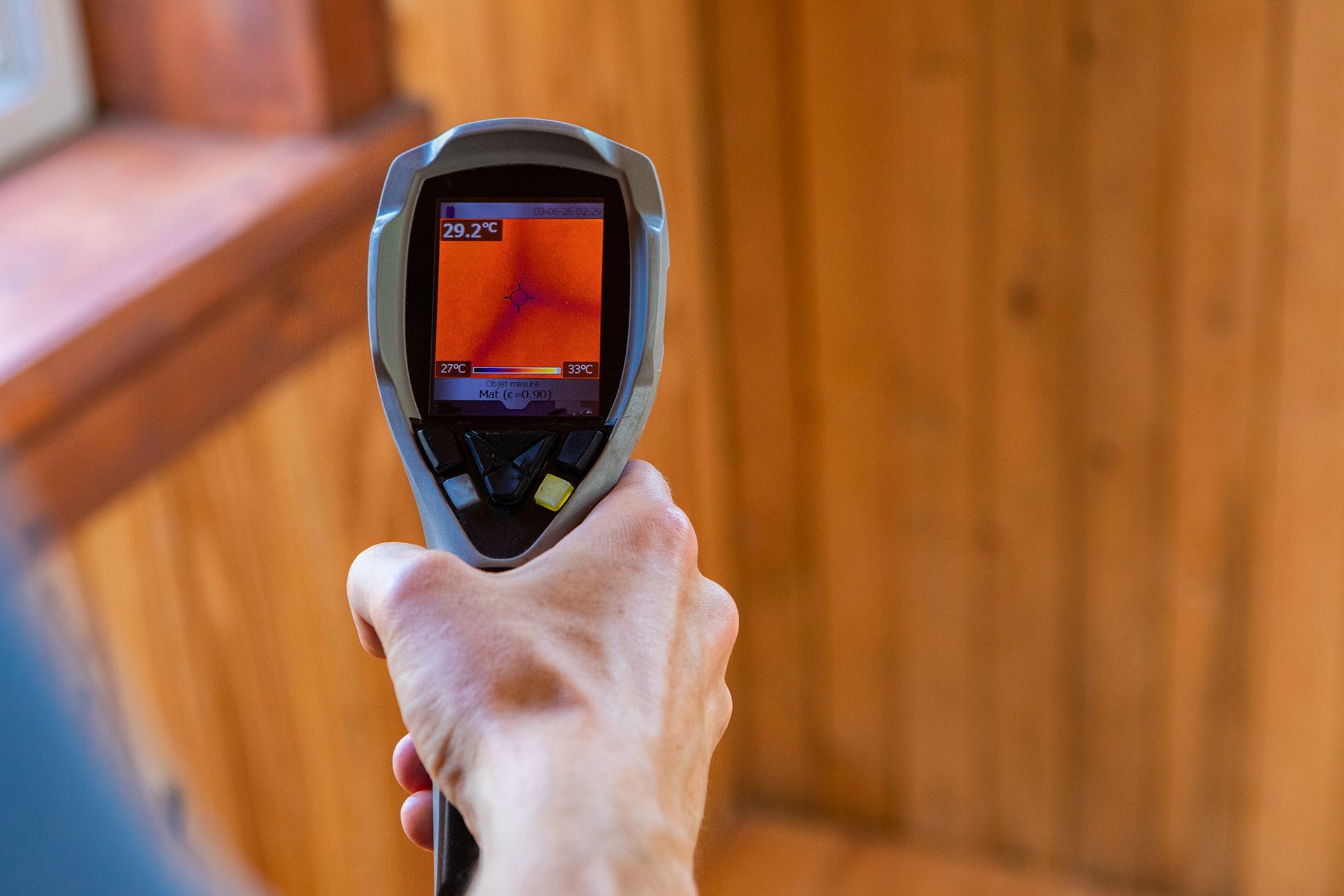
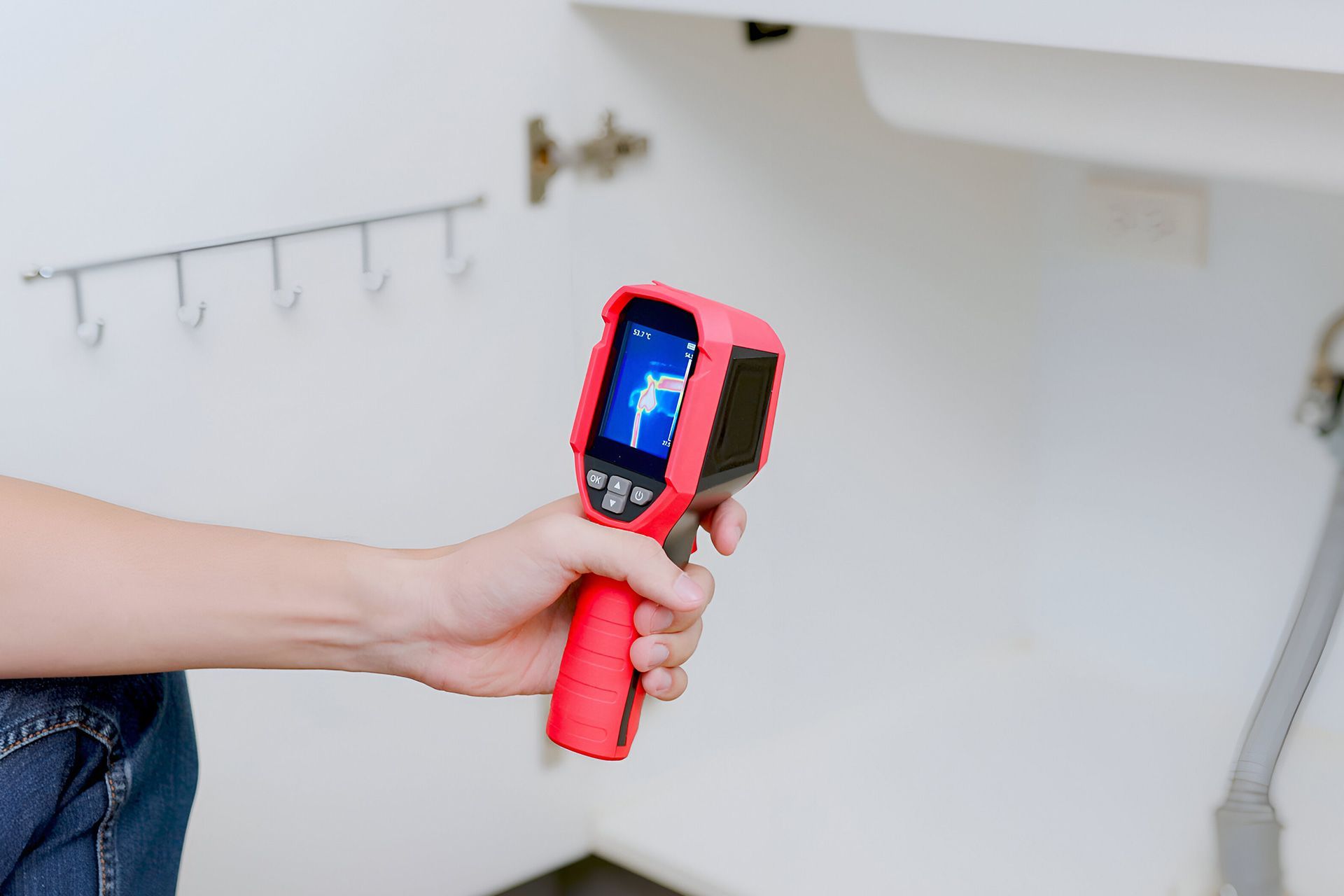
During an inspection with thermal imaging cameras, infrared energy is translated into a visual image that shows surface temperature differences. This helps our inspectors locate patterns that may not be obvious during a normal walkthrough. When used correctly, the tool can guide a more thorough review of specific areas rather than relying on guesswork.
Common concerns that may be identified include:
- Water Leaks and Moisture Intrusion: Moisture can hide behind walls, above ceilings, under floors, near windows, or around plumbing areas. Inspection with thermal imaging cameras may help locate cooler surface patterns that suggest possible moisture. If the inspector finds a concern, they may use additional tools or recommend further evaluation.
- Electrical Hotspots: Overheating electrical components can be a safety concern. Inspection using Infrared thermal cameras can help show unusual heat patterns around panels, breakers, outlets, or wiring areas where accessible. A licensed electrician may need to review these findings.
- Insulation and Energy Loss: Missing or uneven insulation can affect comfort and energy performance. A thermal imaging inspection may help locate temperature differences in walls, ceilings, attic areas, or exterior surfaces. This can help homeowners understand where heat loss or air movement may be present.
- HVAC Performance Issues: Uneven heating or cooling can affect comfort throughout the home. An inspection with imaging cameras may show temperature differences near vents, ducts, rooms, or ceiling areas. These patterns can support a better conversation about HVAC performance and airflow.
Benefits of Thermal Imaging Inspections
- Non-invasive review: Imaging cameras can help identify surface temperature clues without cutting into building materials.
- Early awareness: Thermal scanning may help reveal patterns linked to moisture, insulation gaps, or overheating before the issue becomes more obvious.
- Useful visual evidence: Thermal images can make findings easier to understand in the inspection report.
- Better repair planning: An infrared camera inspection can help point clients toward areas that may need repair, monitoring, or further evaluation.
- Added buyer confidence: A thermal imaging inspection gives buyers more insight during the inspection period.
What a Thermographic Camera Can Reveal
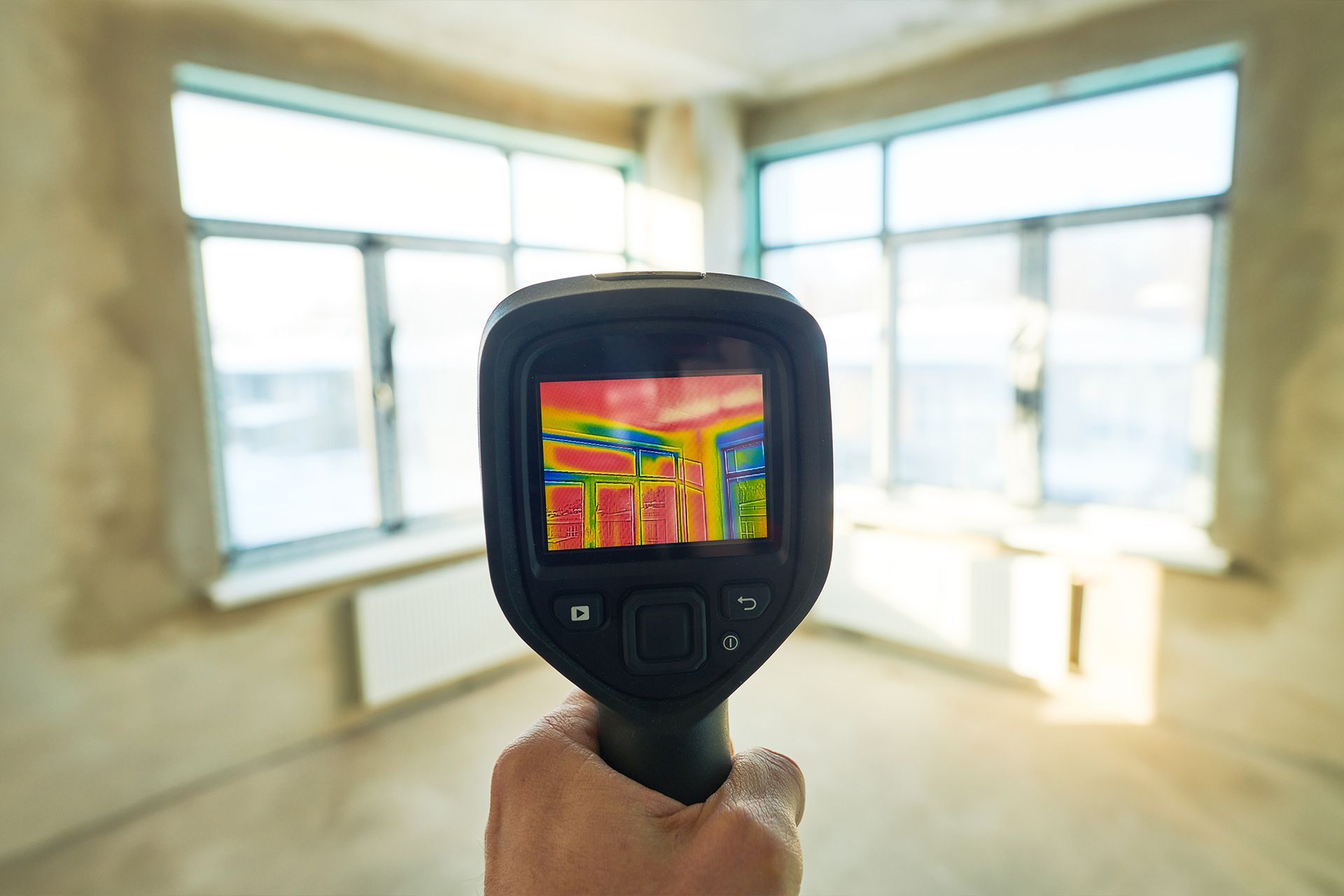
A thermal camera inspection in Michigan can be very helpful, but it is important to understand its limits. The camera reads surface temperature differences. It cannot see through walls, confirm mold, identify every leak, or prove the exact cause of a problem on its own.
That is why inspector experience matters. Elevate Inspection Group uses the image, the property's visible condition, moisture clues, and inspection context together. If the imaging camera shows a pattern that needs attention, your inspector can explain what was observed and whether additional review is recommended.
Thermal imaging is most useful when paired with a full visual inspection. This approach helps clients avoid assumptions and provides clearer information about areas that may warrant closer review.
How Elevate Inspection Group Conducts Thermal Imaging Inspection
Visual Assessment
Our inspectors start with a careful walkthrough of the home. We look at visible systems, areas with moisture history, attic and basement conditions, HVAC performance clues, plumbing locations, exterior drainage, and accessible electrical components.
Thermal Scan
During the scan, our inspectors review selected surfaces for temperature variations. Thermal scanning may be used around ceilings, walls, floors, windows, doors, bathrooms, basements, attic areas, and mechanical spaces when conditions allow.
Analysis
Our certified inspectors review the thermal patterns in context. A cool spot may suggest moisture, missing insulation, or air movement, but it must be interpreted carefully. An infrared camera inspection is most valuable when the inspector understands both the tool and the building conditions.
Comprehensive Report
You receive a clear report with thermal images, regular photos, explanations, and practical recommendations. If you need further review, the report explains the concern in simple language so you can decide what to do next.
When Should You Schedule a Thermal Imaging Inspection in Michigan?
- You may want a thermal imaging inspection when buying a property, after a leak, before renovations, or when rooms feel unusually hot, cold, damp, or uncomfortable.
- It can also be useful when a home has a history of water damage, attic insulation concerns, roof leaks, or unexplained moisture clues.
- A thermal camera inspection in Michigan can also help homeowners better understand maintenance needs before small concerns turn into larger repairs.
- For buyers, an infrared camera inspection can provide added confidence before closing.
Trusted Experience in Thermal Inspections
Elevate Inspection Group brings 16+ years of hands-on inspection experience in the field to every property review.
Our team understands how Michigan homes can develop hidden moisture concerns, insulation gaps, air-movement issues, roof-leak clues, and electrical heat patterns over time.
During a thermal imaging inspection, we use real inspection knowledge to interpret what the camera shows, explain findings clearly, and help clients make confident decisions about repairs, maintenance, or next steps.
FAQs
What is thermal imaging in home inspections?
It is a non-invasive method that uses temperature patterns to help identify areas that may need closer review. It can support findings related to moisture, insulation, HVAC performance, and electrical concerns.
Is thermal inspection safe for my home?
Yes. The process is safe and does not damage the home. The camera only reads surface temperature differences and does not send anything harmful into the property.
Can the imaging camera detect mold?
No. It cannot confirm mold. However, it may help locate moisture patterns that could support mold growth. If mold is a concern, we may recommend mold testing or further evaluation.
How long does a thermal inspection take?
Timing depends on the property size and the number of areas reviewed. It is often performed as part of a full home inspection and may add time depending on the conditions found.
Do I need to prepare my home for a thermal scan?
Make sure the inspector has access to important areas such as the attic, basement, electrical panel, HVAC equipment, plumbing areas, and exterior spaces when possible. Clear access helps the inspection go more smoothly.
Schedule Your Thermal Imaging Inspection Today
Do not leave hidden concerns undiscovered. Elevate Inspection Group provides thermal inspection in Michigan with clear reports, professional tools, and practical explanations.
Schedule your thermal imaging inspection today and move forward with better information.
Service Areas
We provide professional home inspections, helping homeowners, buyers, and sellers make informed decisions with confidence.
- Macomb County
- Oakland County
- Washtenaw County
- Wayne County
- and other nearby Communities