Thermal Camera for Home Inspection: What Inspectors Look For
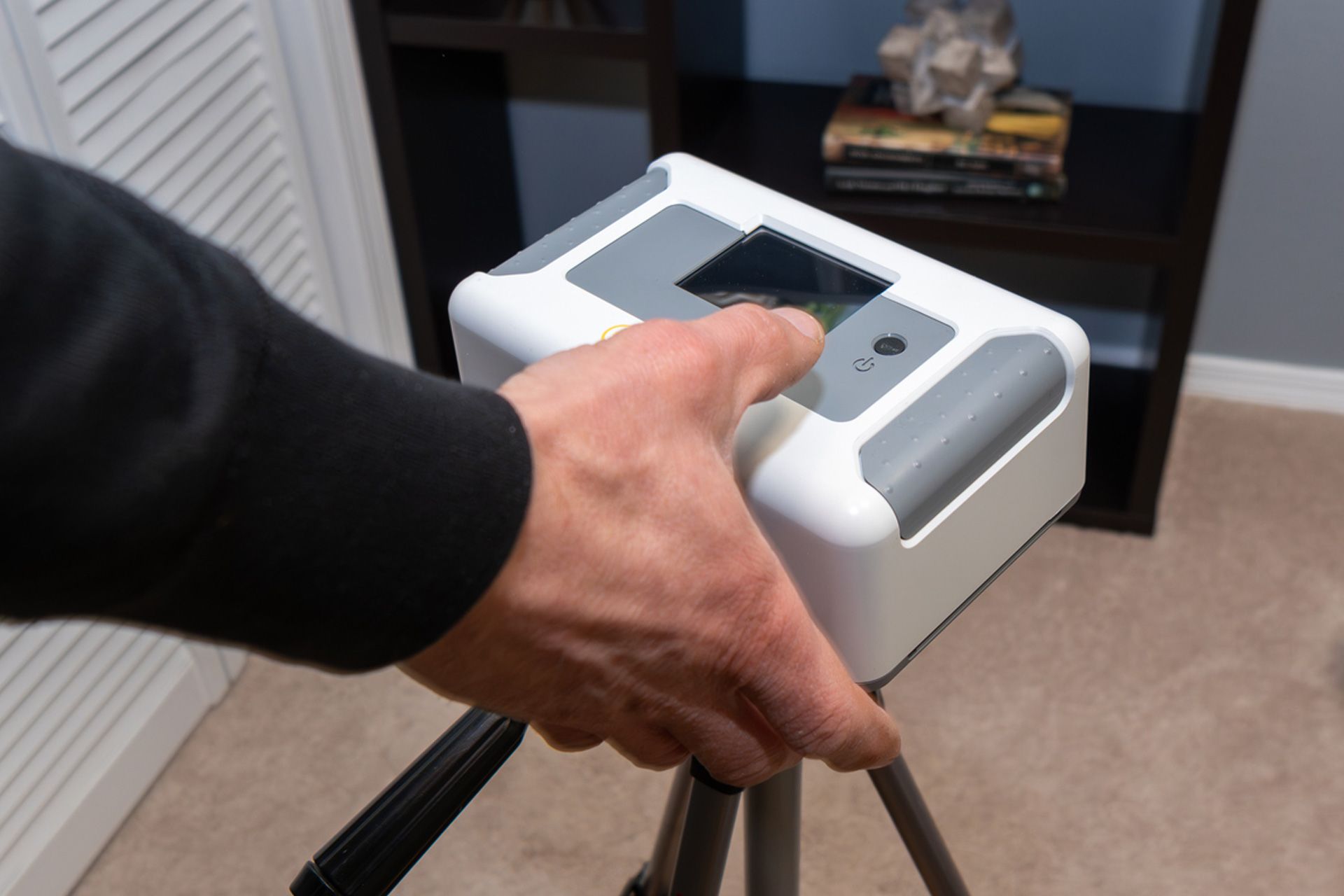
A thermal camera for home inspection can help inspectors see temperature differences that are not visible to the eye. It does not let anyone see through walls, but it can show heat patterns on surfaces. Those patterns may point to hidden moisture, missing insulation, air leaks, electrical hot spots, or HVAC issues.
For buyers and homeowners, this can be very helpful. A house may look fine during a walkthrough, but some concerns are not easy to spot with normal vision. Thermal imaging gives inspectors another tool to better understand what may be happening behind the surface.
It is important to know that thermal imaging is not magic. It does not replace a full inspection. It supports the inspection by giving more clues. InterNACHI explains that infrared technology has limits and should not be relied on instead of other inspection methods.
What Is Thermal Imaging In A Home Inspection?
Thermal imaging uses an infrared camera to read surface temperature differences. The camera turns those temperature patterns into an image.
During a home inspection, the inspector may scan areas such as:
- Walls
- Ceilings
- Floors
- Attics
- Basements
- Electrical panels
- HVAC vents
- Plumbing areas
- Windows and doors
- Exterior surfaces
A thermal imaging camera for home inspection can help show areas that are hotter or cooler than nearby surfaces. These differences may need further checking.
For example, a cool area on a ceiling could be caused by missing insulation, an air leak, or moisture. The camera gives the inspector a clue, but the inspector still needs to confirm the concern with other tools or visual evidence.
What Inspectors Look For With Thermal Imaging
Thermal imaging helps inspectors find unusual temperature patterns. These patterns do not always prove a problem, but they can point to areas that need more attention.
Inspectors may look for:
- Moisture behind walls or ceilings
- Missing or uneven insulation
- Air leaks around doors and windows
- Overheated electrical components
- HVAC airflow issues
- Water leaks near plumbing
- Roof leak patterns
- Cold spots in exterior walls
- Heat loss in winter
- Cooling loss in summer
Thermal imaging does not see through walls, and it does not confirm hidden damage by itself. It helps inspectors identify temperature differences that may suggest moisture, insulation gaps, electrical hot spots, or HVAC concerns that need closer review.
Moisture And Hidden Leaks
One of the most common reasons inspectors use thermal imaging is to look for possible moisture concerns. Wet materials often show a different temperature than dry materials nearby.
A thermal scan may help identify possible moisture near:
- Bathroom walls
- Ceilings below bathrooms
- Kitchens
- Laundry rooms
- Basement walls
- Window areas
- Roof leak locations
- Plumbing fixtures
- Water heaters
- Exterior doors
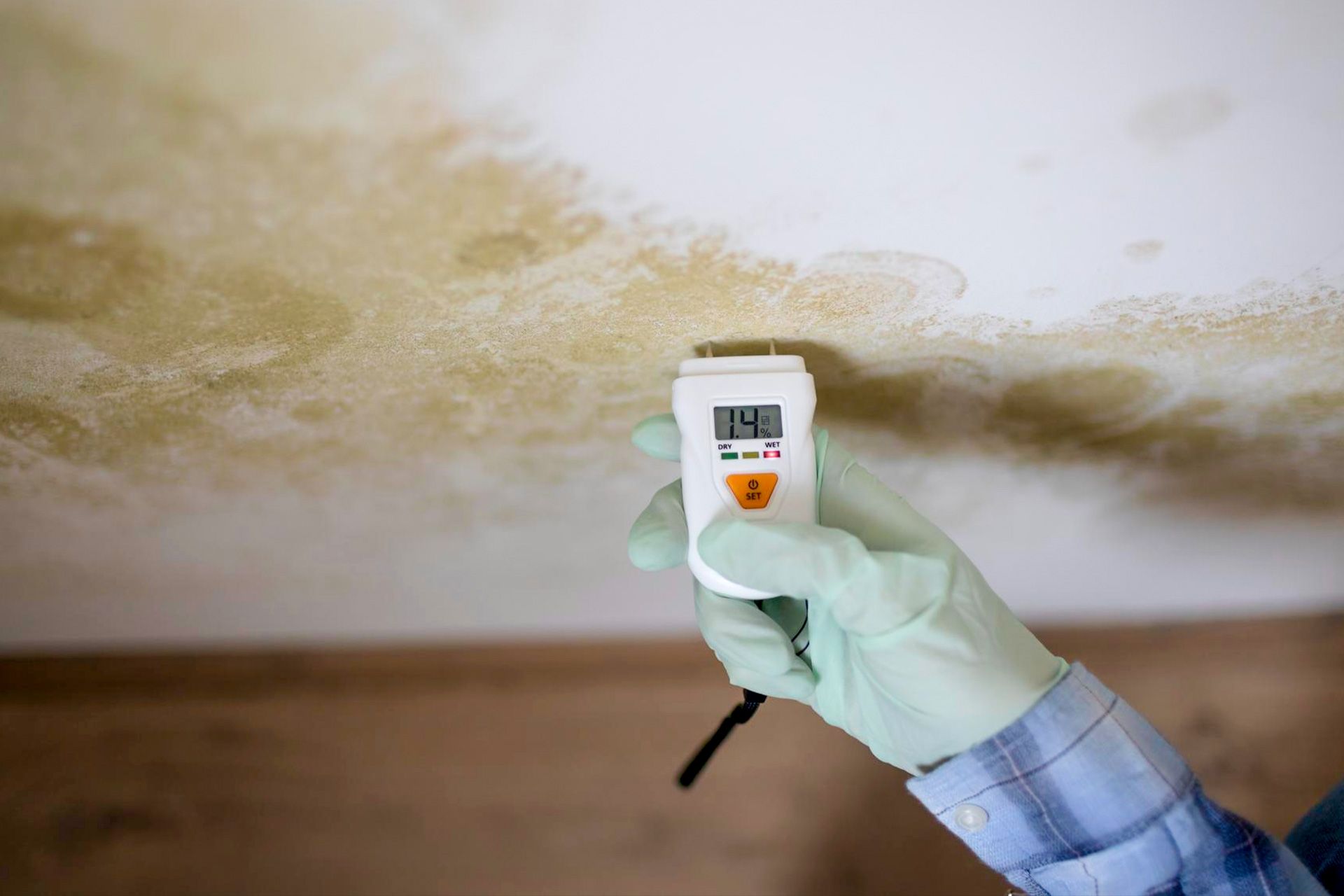
This is useful because moisture can hide behind paint, drywall, or flooring. If the inspector sees a suspicious pattern, they may use a moisture meter to confirm whether the area is actually wet.
Thermal imaging does not prove a leak by itself. It gives the inspector a reason to investigate further.
Missing Insulation And Air Leaks
A home may feel drafty or uncomfortable because of missing insulation or air leakage. A thermal imaging camera for building inspection can help locate temperature changes that suggest heat loss or cold air entry.
Inspectors may find insulation or air sealing concerns around:
- Attic hatches
- Exterior walls
- Recessed lights
- Window frames
- Door frames
- Rim joists
- Basement walls
- Garage walls
- Duct areas
- Ceiling lines
These issues can affect comfort and energy use. They can also make some rooms feel too hot in summer or too cold in winter.
For Michigan homes, this can matter a lot because cold winters and changing seasons can reveal weak spots in the building envelope.
Electrical Hot Spots
Thermal imaging may also help identify overheating electrical components. Hot spots can sometimes appear at panels, breakers, outlets, or wiring connections.
Inspectors may scan for:
- Overheated breakers
- Loose electrical connections
- Unusual panel heat
- Hot outlets or switches
- Overloaded circuits
- Heat around electrical equipment
An electrical hot spot does not automatically mean there is a major hazard, but it should not be ignored. If an inspector sees unusual heat, they may recommend further evaluation by a licensed electrician.
HVAC Performance Issues
Heating and cooling systems can also be reviewed with thermal imaging. The camera may help show whether conditioned air is reaching different areas of the home.
Thermal imaging may help reveal:
- Weak airflow from vents
- Duct leaks
- Uneven heating
- Uneven cooling
- Poor insulation around ducts
- Temperature differences between rooms
- Possible return air issues
This can be helpful when a home has rooms that feel uncomfortable or inconsistent. The camera helps show where temperature changes are happening.
What Thermal Imaging Cannot Do
Thermal imaging has limits. It is a powerful tool, but it does not tell the full story by itself.
It cannot:
- See through walls
- Confirm mold
- Prove moisture without further testing
- Show every hidden defect
- Replace a full home inspection
- Replace specialist testing
- Diagnose every electrical issue
- Predict future problems
A thermal image shows temperature patterns. Those patterns need to be interpreted by someone trained and experienced.
This is why the inspector matters more than the camera. Even the best thermal imaging camera for home inspection is only useful when the person using it knows what to look for.
Best Infrared Camera for Home Inspection: Does the Camera Matter?
Many people search for the best infrared camera for home inspection, but homeowners do not need to choose the equipment. That is the inspector’s job.
Still, the camera quality does matter. A better camera may offer clearer images, better sensitivity, and more useful details. But the tool alone does not make the inspection better.
A good inspector should understand:
- How to use the camera correctly
- How temperature patterns work
- When conditions are right for scanning
- When a thermal image needs confirmation
- How to explain findings clearly
- When to recommend further evaluation
So, instead of asking only about the best thermal camera for home inspections, ask whether the inspector has experience using thermal imaging in real homes.
When Is Thermal Imaging Most Useful?
Thermal imaging can be useful in many situations, but it works best when there is a clear temperature difference between areas.
It may be especially helpful when:
- The home has water stains
- There are musty smells
- Rooms feel drafty
- Some rooms are too hot or cold
- There are suspected roof leaks
- The home has past plumbing issues
- The basement has moisture concerns
- The attic may have insulation gaps
- Electrical concerns are suspected
- The buyer wants a deeper inspection
Thermal imaging for house inspection is often used as an added layer of information. It helps the inspector decide where to look closer.
Why Thermal Imaging Matters In Michigan Homes
Michigan homes deal with snow, ice, rain, humidity, and big temperature changes. These conditions can create moisture, insulation, and air leakage concerns.
Thermal imaging may help identify issues related to:
- Ice dam damage
- Roof leaks
- Basement moisture
- Missing attic insulation
- Drafty windows
- Poor air sealing
- HVAC imbalance
- Plumbing leaks
- Exterior wall cold spots
- Crawl space moisture
Because Michigan weather can be tough on homes, a careful inspection can help buyers and homeowners better understand the property.
What Buyers Should Know Before The Inspection
If you are buying a home, thermal imaging can give you more insight, but you should understand what it can and cannot show.
Before the inspection, buyers should know:
- It is not an X ray
- It does not guarantee hidden issues will be found
- It works best under the right temperature conditions
- It should be paired with visual inspection
- Moisture findings may need a moisture meter
- Electrical concerns may need an electrician
- The report should explain images clearly
A good inspector will not use thermal images to scare you. They will explain what the patterns may mean and what steps make sense next.
What Homeowners Can Do After A Thermal Finding
If the inspection finds a suspicious thermal pattern, do not panic. Many patterns need confirmation.
Next steps may include:
- Checking the area with a moisture meter
- Monitoring the area after rain
- Having a plumber review possible leaks
- Having an electrician check hot components
- Improving insulation
- Sealing air leaks
- Reviewing HVAC performance
- Repairing exterior water entry points
The value of thermal imaging is that it helps point attention to areas that might otherwise be missed.
Conclusion
A thermal camera for home inspection helps inspectors find temperature patterns that may point to moisture, missing insulation, air leaks, electrical hot spots, and HVAC concerns. It does not replace a full inspection, and it does not prove every issue by itself. But when used correctly, it can add helpful insight.
For buyers and homeowners, thermal imaging can provide a better understanding of the property. It can help identify areas that need more review before small concerns become larger problems.
If you are buying or maintaining a home in Michigan, Elevate Inspection Group can help. Our team uses clear reporting and practical explanations to help you understand inspection findings and make confident decisions about your property.
FAQs
What Is Thermal Imaging In A Home Inspection?
Thermal imaging uses an infrared camera to show surface temperature differences. Inspectors use these patterns to look for possible moisture, insulation, electrical, or HVAC concerns.
Can a Thermal Camera See Through Walls?
No. A thermal camera does not see through walls. It shows temperature differences on surfaces, which may point to hidden issues that need more review.
Is Thermal Imaging for House Inspection Worth It?
It can be useful when there are concerns about leaks, insulation, drafts, electrical hot spots, or uneven heating and cooling. It gives inspectors another tool during the inspection.
What Can a Thermal Imaging Camera for Home Inspection Find?
It may help find possible moisture, missing insulation, air leaks, hot electrical components, duct issues, and temperature differences around the home.
Does Thermal Imaging Confirm Mold?
No. Thermal imaging cannot confirm mold. It may show moisture patterns, and moisture can support mold growth, but mold testing or further evaluation may be needed.
What Is The Best Thermal Camera For Home Inspections?
The best camera depends on the inspector’s needs, but homeowners should focus more on the inspector’s training, experience, and ability to explain findings.
Can Thermal Imaging Find Roof Leaks?
It may help identify temperature patterns related to moisture from roof leaks, but the finding should be confirmed with visual review, moisture testing, or further evaluation.
Disclaimer: The information on this website and blog is for general informational purposes only and is not professional advice. We make no guarantees of accuracy or completeness. We disclaim all liability for errors, omissions, or reliance on this content. Always consult a qualified professional for specific guidance.
Search
Recent Post