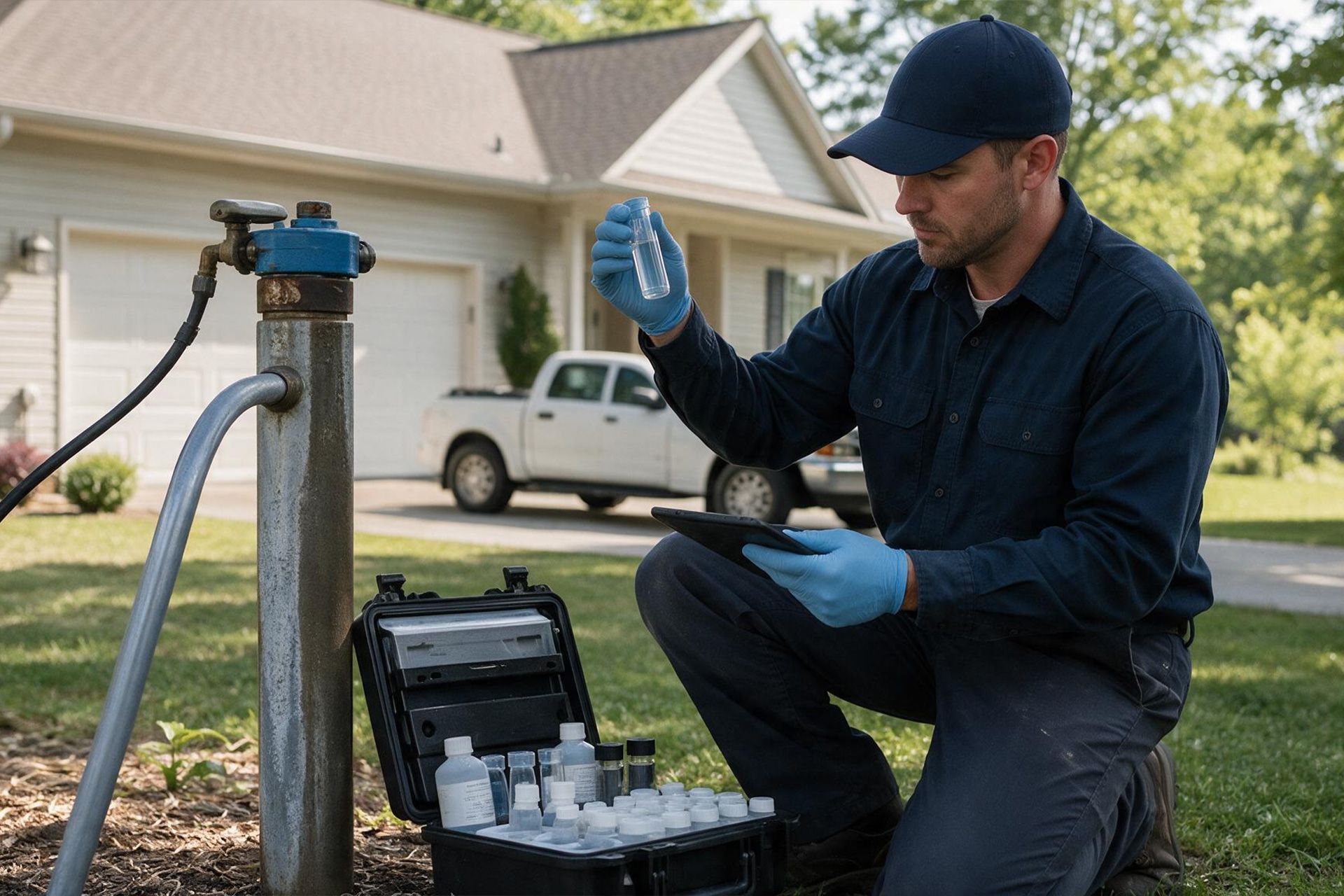
A Guide to Mold Inspection in Newly Built Homes in Michigan
Many homebuyers assume that mold is only a concern in older properties. While aging homes can certainly develop moisture problems, newly built homes are not immune to mold growth. In fact, moisture introduced during construction can sometimes create conditions that allow mold to develop before homeowners even move in.
For buyers investing in a new home, understanding the importance of mold testing in Michigan can help identify hidden concerns early. When combined with a professional mold assessment, testing can provide valuable information about indoor air quality and the property's overall condition.
This guide explains why mold can appear in newly constructed homes, what inspectors look for, and why mold inspections are an important part of protecting your investment.
Can New Homes Have Mold?
The short answer is yes.
New construction homes are exposed to many materials and weather conditions during the building process. Wood framing, drywall, insulation, and other materials may be exposed to rain, humidity, or moisture before the home is fully sealed.
If these materials do not dry properly, mold growth can begin. Common causes of mold in new homes include:
- Moisture trapped during construction
- Delayed drying of building materials
- Plumbing leaks
- Poor ventilation
- Improper drainage around the property
- High indoor humidity levels
This is why mold testing is becoming increasingly common during new construction inspections.
Why Mold Can Develop During Construction
Many people are surprised to learn how quickly mold can grow when moisture is present.
- Exposure to Weather: During construction, homes are often exposed to rain, snow, and humidity before windows, roofing, and siding are fully installed. Moisture can enter the structure and become trapped inside building materials.
- Construction Delays: Extended construction timelines can increase moisture exposure. Building materials that remain damp for long periods may create conditions favorable for mold growth.
- Improper Drying Practices: Even when moisture is detected, inadequate drying methods can allow mold colonies to develop behind walls or beneath flooring. A professional mold assessment can help identify these hidden concerns.
Why Mold Inspection Matters in New Construction Homes
A newly built home may look perfect during a final walkthrough, but mold is not always visible.
Professional home inspections provide another layer of protection by helping identify issues before occupancy.
- Protect Indoor Air Quality: Mold growth can degrade indoor air quality and cause unpleasant odors in the home.
- Identify Hidden Moisture Problems: Moisture issues may exist behind walls, inside attics, or around plumbing components where they are not immediately visible.
- Support Better Homeownership Decisions: Mold testing in Michigan helps buyers understand whether further evaluation or corrective action may be necessary before moving in.
- Prevent Future Damage: Identifying moisture-related issues early can reduce the risk of mold growth and material deterioration.
Signs That Mold May Be Present in a New Home
Even newly constructed properties can show warning signs that deserve attention.
- Musty Odors: A persistent damp or musty smell can sometimes indicate hidden mold growth.
- Visible Staining: Discoloration on walls, ceilings, or wood components may suggest moisture exposure.
- Excess Humidity: Condensation on windows or unusually humid indoor conditions can create an environment where mold thrives.
- Water Intrusion Evidence: Signs of leaks, water stains, or wet building materials should never be ignored.
These situations may warrant a professional mold assessment to determine whether mold is present.
What Happens During a Mold Inspection?
Mold Inspection is designed to identify visible mold growth, moisture issues, and environmental conditions conducive to mold growth.
Visual Examination
The inspector evaluates areas that commonly experience moisture problems, including:
- Attics
- Basements
- Crawl spaces
- Utility rooms
- Bathrooms
- Around windows and doors
Moisture Detection
Inspectors may use moisture meters and thermal imaging to identify hidden moisture conditions not visible during a standard walkthrough.
Ventilation Review
Inspectors assess ventilation systems and airflow to determine whether excess moisture is likely to accumulate.
Documentation of Findings
The inspection report outlines observations and identifies areas that may require further attention.
A professional home inspection provides homeowners with a clear understanding of potential concerns.
Understanding Mold Testing in Michigan
While visual inspections are valuable, mold testing provides additional information about indoor environmental conditions.
Air Sampling
Air samples may be collected from inside and outside the home. These samples help determine whether elevated mold spore levels are present indoors relative to normal outdoor conditions.
Surface Sampling
If a suspicious growth is visible, surface samples may be collected for laboratory analysis.
Laboratory Evaluation
Samples are reviewed by qualified laboratories to identify mold types and concentrations. This information can help determine whether additional action is needed.
Mold testing in Michigan is especially useful when visible mold is not present, but moisture concerns exist.
Areas Most Commonly Affected in New Homes
Certain locations tend to experience higher moisture exposure during construction.
- Attics: Improper ventilation can trap moisture and create conditions for mold growth.
- Basements: They often experience elevated humidity levels and occasional water intrusion.
- Around Plumbing Fixtures: Small plumbing leaks can remain hidden for extended periods.
- Utility Rooms: Mechanical systems can generate condensation that contributes to moisture buildup.
- Window and Door Openings: Improper sealing may allow water infiltration during heavy rain.
These areas are commonly evaluated during a mold assessment.
How Homebuyers Can Reduce Mold Risks
Although inspections play an important role, homeowners can also take steps to reduce future mold concerns.
- Monitor Indoor Humidity: Keeping humidity levels under control helps reduce moisture buildup.
- Address Leaks Promptly: Even small leaks should be repaired quickly to prevent mold growth.
- Maintain Proper Ventilation: Bathrooms, kitchens, and laundry rooms should have adequate ventilation.
- Schedule Routine Inspections: Periodic inspections help identify emerging moisture issues beforehand.
- Watch for Warning Signs: Changes in odor, staining, or indoor air quality should not be ignored.
Why Michigan Homebuyers Should Consider Mold Inspections
Michigan experiences seasonal weather changes that can affect moisture levels throughout the year.
Snow, rain, humidity, and temperature fluctuations can all contribute to moisture-related concerns within homes.
For buyers investing in newly built properties, mold testing in Michigan provides valuable information about indoor conditions before move-in day. A professional mold assessment can help uncover issues that may not be visible during a standard walkthrough.
This extra level of evaluation can provide confidence and peace of mind during the home-buying process.
Choosing the Right Mold Inspection Company
Not all inspectors offer the same level of experience with moisture and mold-related concerns.
When selecting an inspection company, look for:
- Experience with new construction homes
- Detailed reporting
- Knowledge of moisture intrusion issues
- Professional testing procedures
- Clear communication of findings
A qualified inspector can help ensure hidden concerns do not go unnoticed.
Conclusion
New-construction homes offer many advantages, but they are not automatically free of moisture-related issues. Construction materials, weather exposure, and ventilation challenges can all create conditions where mold may develop before a homeowner even moves in.
A professional mold assessment helps identify moisture concerns and visible signs of mold growth, while mold testing in Michigan provides additional insight into indoor environmental conditions. Together, these services help homebuyers make informed decisions and protect their investment.
At Elevate Inspection Group, we help Michigan homebuyers better understand the condition of their new homes through thorough inspections and detailed reporting. Our team is committed to helping you identify potential concerns before they become larger problems.
Schedule your mold inspection with Elevate Inspection Group today for greater confidence in your new home.
FAQs
Can mold really grow in a brand-new home?
Yes. Mold can develop if building materials are exposed to moisture during construction or if leaks and ventilation issues are present.
Is mold testing necessary if I cannot see mold?
Visible mold is not always present. Mold testing can help identify elevated mold spore levels even when growth is hidden.
What is the difference between mold inspection and mold assessment?
A mold assessment evaluates conditions that may support mold growth, while testing may involve collecting samples to better understand indoor mold levels.
When should a new home be inspected for mold?
The best time is before closing on the property or whenever moisture concerns are suspected during construction.
Can a standard home inspection find mold?
A standard home inspection may identify visible signs of moisture or mold, but specialized mold inspections and testing provide a more detailed evaluation.
Disclaimer: The information on this website and blog is for general informational purposes only and is not professional advice. We make no guarantees of accuracy or completeness. We disclaim all liability for errors, omissions, or reliance on this content. Always consult a qualified professional for specific guidance.
Search
Recent Post