Private Septic Tank Inspection in Michigan
A properly functioning septic system is crucial for every home that isn’t connected to municipal sewage. A private septic tank inspection helps identify issues early, preventing costly repairs, health hazards, and property damage. At Elevate Inspection Group, we provide thorough, reliable, and professional septic inspections across Michigan.
Whether you are buying a new home, selling your property, or maintaining an existing system, our certified inspectors use advanced tools and expertise to help you better understand the visible condition of your septic system.
A septic tank inspection is especially important because much of the system is underground and not easily evaluated during a typical home walkthrough. A professional septic tank inspection can help identify visible signs of damage, poor drainage, backups, or system stress before they lead to larger problems.
Why Choose Elevate Inspection Group for Septic Tank Inspection in Michigan?
- Certified and experienced inspectors: Our team has extensive experience inspecting private septic systems across Michigan and helping clients understand visible septic concerns in clear language.
- Comprehensive reports: Detailed inspection reports highlight findings, visible concerns, and potential next steps, enabling buyers, sellers, and homeowners to make more informed decisions.
- Advanced equipment: We use professional inspection methods and tools to help identify visible leaks, blockages, drainage concerns, system damage, and signs of septic system failure.
- Peace of mind: A professional septic system inspection helps protect your property, your family, and your investment by giving you better information before problems become more stressful.
Septic system inspection services may be needed for pumping, repair, treatment, or replacement when issues are found. Our role is to inspect, document, and explain visible concerns so you know when further evaluation or septic system service may be needed.
What We Inspect in a Private Septic System Inspection in Michigan
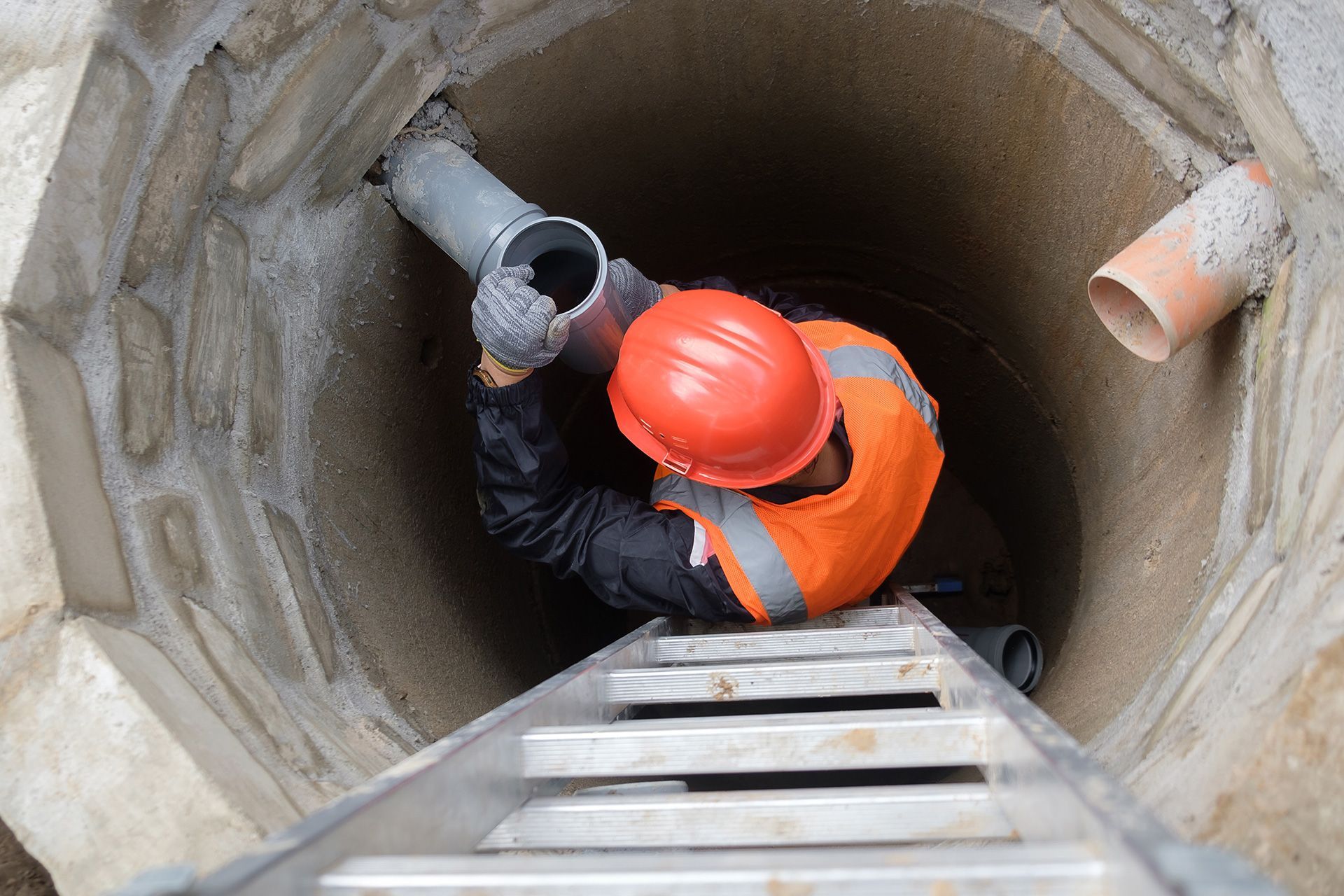
During a private septic tank inspection, our team evaluates important visible and accessible components of your system, including:
- Septic tank condition: We check for visible cracks, leaks, structural damage, poor access, or other issues that may affect the septic tank's performance.
- Tank capacity and functionality: We review whether the septic tank system appears suitable for the home’s use based on visible conditions and available information.
- Drain field evaluation: We look for signs of saturation, standing water, soft soil, poor drainage, odors, or surface conditions that may suggest drain field stress.
- Piping and connections: We inspect accessible piping and connection areas for visible blockages, corrosion, leaks, damage, or conditions that may affect wastewater flow.
- Signs of system backups: We look for warning signs such as slow drains, sewage odors, wet areas, or other visible clues that may suggest health hazards or environmental risks.
After the inspection, you’ll receive a detailed report highlighting any visible issues and recommended actions. If a concern requires repair, pumping, or deeper evaluation, the report can help guide your next conversation with a qualified septic system service provider.
Why Septic Tank Inspection Matters Before Buying or Selling
A septic system can affect a property’s safety, function, value, and future maintenance needs. Since the septic tank, drain field, and piping are not fully visible, buyers should not rely only on surface appearance. A septic tank inspection can help identify visible warning signs that warrant attention before closing.
For sellers, a septic tank inspection can help identify issues before the buyer’s inspection. This gives the seller time to gather records, respond to questions, or make informed decisions about repairs. For homeowners, regular review can help catch visible issues before they lead to backups, odors, or drainage problems.
A septic system inspection is also useful when the system is older, when the home has had heavy use, or when there is no clear maintenance history. Even if the plumbing appears to be working normally, the septic tank system may still have issues that warrant closer review.
When You Need a Private Septic Inspection
- Buying a home: Protect your investment by identifying visible septic issues before closing and determining whether further evaluation is needed.
- Selling a property: Help buyers feel more confident by providing useful information about the septic system before questions arise during the transaction.
- Routine maintenance: Catch small visible concerns before they become larger repair, drainage, or system performance issues.
- System upgrades: Evaluate the existing septic tank system before expanding your property, increasing household use, or making major changes.
- Warning signs appear: Schedule a septic tank inspection if you notice odors, slow drains, standing water, soft spots in the yard, or plumbing backups.
Common Issues Found in Septic Tank Inspection in Michigan
- Cracked or leaking tanks: A damaged septic tank can allow wastewater to escape or groundwater to enter, potentially affecting the system and surrounding soil.
- Blocked pipes: Blockages can cause slow drains, backups, odors, and poor system performance when wastewater cannot flow properly.
- Drain field saturation: Water pooling, soggy soil, or unusually green grass near the drain field can be a warning sign of drainage problems.
- Improper tank size: An undersized septic tank may struggle to handle household wastewater, especially if the home has more occupants or higher water use.
- Aging systems: Older septic systems may have worn parts, outdated materials, damaged components, or reduced function that requires further review.
Our Septic Inspection Process
Step 1: Review the Property and Septic Information
Our septic inspection process starts with a basic review of the property and any available septic records. This may include past pumping history, maintenance notes, repair information, or details about the location of the septic tank and drain field. Understanding the system history helps our inspector focus during the inspection and gives buyers, sellers, or homeowners a clearer starting point.
Step 2: Locate Visible Septic System Components
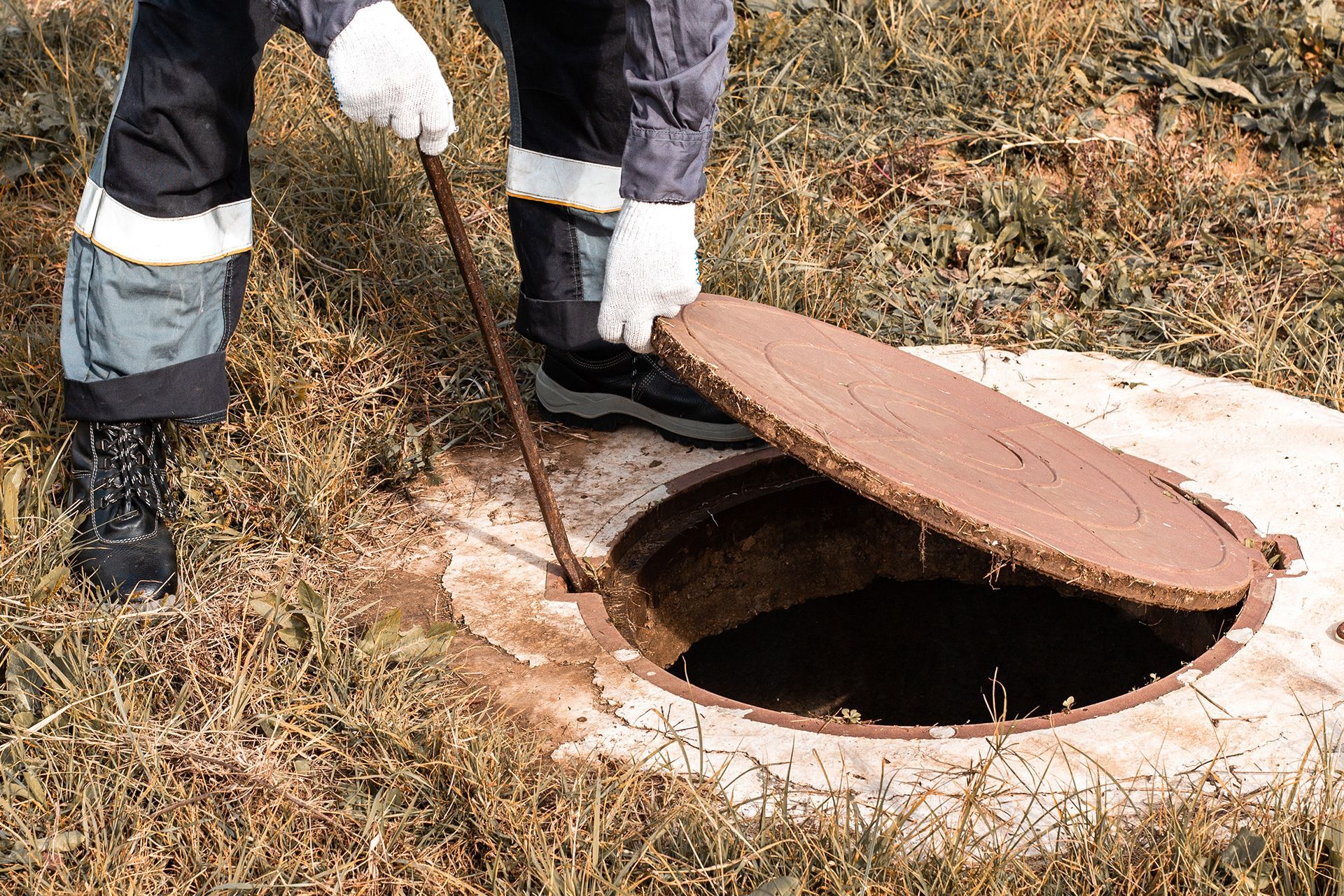
Next, our inspector reviews visible and accessible parts of the septic system. This may include the septic tank area, access points, visible lids, surface grading, nearby drainage, and areas where wastewater concerns may appear. Because many parts of a septic tank system are underground, visible clues around the yard and tank area are important during the inspection.
Step 3: Check for Warning Signs and System Stress
During the septic tank inspection, we look for signs that may suggest system stress or possible failure. These can include sewage odors, wet or soft soil, standing water, signs of slow drainage, unusually green grass near the drain field, or visible damage around access areas.
These signs do not always confirm a major issue, but they help determine whether further review or septic system service may be needed.
Step 4: Review Drain Field and Surface Conditions
The drain field is one of the most important parts of a private septic system. Our inspector reviews visible surface conditions for poor drainage, saturation, runoff problems, soil disturbance, vehicle traffic, or other conditions that may affect performance. A septic system inspection should consider how the surrounding property may impact the system, not just the tank itself.
Step 5: Provide a Clear Report and Next Steps
After the septic system inspection is complete, you receive a clear report that explains visible findings, concerns, and possible next steps. If the inspection shows signs of damage, backup, poor drainage, or system stress, the report can help you decide whether further evaluation, repair, pumping, or septic system service is needed. Our goal is to make the findings easy to understand and useful for your next decision.
Signs You Should Schedule an Inspection
- Slow drains throughout the home: Multiple slow drains may indicate a larger septic system issue rather than a single clogged fixture.
- Sewage odors indoors or outdoors: Odors near drains, the yard, or the septic area can signal that the system needs attention.
- Standing water near the drain field: Wet or soggy areas without a clear cause may indicate poor drainage or system stress.
- Gurgling sounds in plumbing fixtures: Gurgling can happen when wastewater flow is restricted, or the system is not draining as expected.
- No recent septic records: If you do not know when the last septic tank inspection, pumping, or maintenance was completed, scheduling an inspection is a smart step.
FAQs - Private Septic Inspection
How long does a septic system inspection take?
The time can vary based on property size, access, system type, and visible conditions. If the septic tank area, drain field, or access points are difficult to locate, the inspection may take longer.
Do I need to be home during the inspection?
It is helpful, but not always required. The most important step is ensuring the inspector has access to the necessary areas and any available septic records, including past pumping or service history.
How much does a private septic inspection cost?
The cost can vary depending on the property, inspection scope, system access, and service details. Contact Elevate Inspection Group directly for current scheduling and service information.
Can a septic tank inspection detect all problems?
No inspection can detect every hidden issue because much of the septic system is underground. However, a professional septic system inspection can identify visible concerns, warning signs, and conditions that may need further evaluation.
How often should I inspect my septic system?
Schedule a septic tank inspection when buying a home, selling a property, noticing warning signs, or planning major changes that could affect wastewater use. Regular review can also support better long-term maintenance.
Schedule Your Private Septic Inspection Today
Don’t wait until a small septic issue becomes a major problem. Elevate Inspection Group provides reliable, detailed, and professional septic inspections throughout Michigan.
Call us today or book online to schedule your inspection.
Service Areas
We provide professional home inspections, helping homeowners, buyers, and sellers make informed decisions with confidence.
- Macomb County
- Oakland County
- Washtenaw County
- Wayne County
- and other nearby Communities