Building Inspectors Near Me: Why Choose Local Experts
When you search for building inspectors near me, you are usually making an important property decision. You may be buying a building, selling one, leasing a commercial space, or checking the condition of a property you already own.
A building can look fine from the outside but still have hidden concerns. There may be roof damage, foundation movement, moisture problems, electrical issues, plumbing defects, or safety risks. These problems can affect your plans, your budget, and your peace of mind.
That is why choosing a local building inspector matters. A local expert understands the area, the weather, the common building types, and the issues that often show up in nearby properties. For Michigan property owners, this local knowledge can be very helpful.
In this guide, you will learn why local building inspectors are important, what they check, how they support commercial inspections, and how to choose the right inspection company near you.
What Does A Building Inspector Do?
A building inspector reviews the visible and accessible areas of a property. Their job is to help you understand the current condition of the building before you make a major decision.
A building inspection may include areas such as:
- Roof condition
- Exterior walls
- Foundation
- Structure
- Windows and doors
- Plumbing systems
- Electrical systems
- Heating and cooling systems
- Attic and insulation
- Interior rooms
- Basement or crawl space
- Drainage and grading
- Safety concerns
- Signs of moisture or damage
The inspector looks for visible defects, poor repairs, worn systems, unsafe conditions, and signs of future problems. After the inspection, you receive a report that explains the findings in a clear way.
A good report should not confuse you. It should help you understand what matters, what may need attention, and what may need further review by a licensed specialist.
Why People Search For Building Inspectors Near Me
Most people search for building inspectors near me because they need local help from someone they can trust. They want an inspector who can visit the property, check key areas, and explain the findings clearly.
People often need building inspectors when they are:
- Buying a home
- Buying a commercial property
- Leasing office space
- Leasing retail space
- Selling a property
- Checking an older building
- Planning repairs or upgrades
- Reviewing damage after storms or leaks
- Managing an investment property
- Preparing for long-term maintenance
The phrase “near me” shows strong local intent. It means the person is not just looking for general advice. They are looking for a nearby expert who can help with a real property need.
This is especially important for commercial inspections. Commercial buildings are often larger and more complex than homes. They may have bigger systems, heavier use, and more areas to review.
Why Local Building Inspectors Are A Smart Choice
Choosing a local inspector gives you more than convenience. It gives you knowledge from someone who understands your area.
A local building inspector may understand:
- Common construction styles in the area
- Local weather-related property damage
- Older neighborhood building concerns
- Basement and foundation issues
- Roof wear from snow, ice, and storms
- Drainage concerns around Michigan properties
- Common moisture and ventilation problems
- Local buyer and seller expectations
This local experience helps the inspector focus on the areas that matter most. A general checklist is useful, but local knowledge adds more value.
For example, a building in Michigan may face problems caused by cold winters, heavy snow, melting ice, rain, humidity, and freeze-and-thaw cycles. A local inspector knows how these conditions can affect roofs, foundations, concrete, basements, exterior walls, and drainage systems.
Local Experts Understand Michigan Building Conditions
Michigan properties can face different challenges throughout the year. Cold weather, snow, rain, and changing temperatures can all affect a building over time.
Common Michigan building concerns may include:
- Basement moisture
- Foundation cracks
- Roof wear from snow and ice
- Gutter and drainage issues
- Poor attic ventilation
- Aging electrical systems
- Plumbing concerns in older buildings
- Exterior wood damage
- Grading problems around the structure
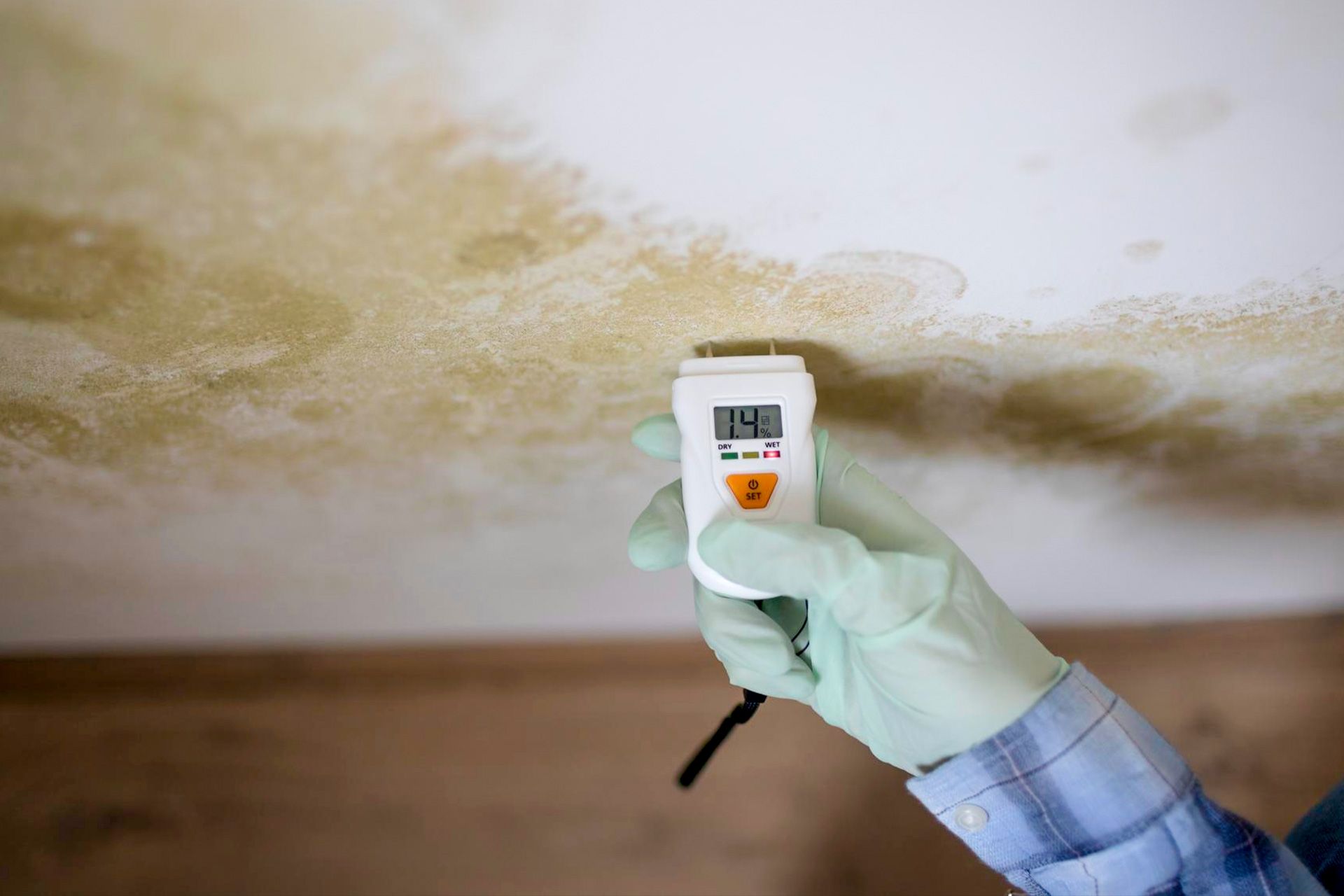
- Signs of mold or moisture intrusion
A local inspector understands these patterns. They know where to look and what signs may point to a larger concern.
This does not mean every property will have major problems. But it does mean local experience can help catch issues early and explain them in a practical way.
How Building Inspections Help Reduce Risk
A building inspection does not guarantee that a property is perfect. No inspection can see through walls or predict every future issue. However, it can reduce risk by giving you a better understanding of the property’s condition.
A building inspection can help you:
- Understand the condition of major systems
- Find visible safety concerns
- Learn about possible repair needs
- Ask better questions before buying or leasing
- Avoid unexpected surprises
- Plan future maintenance
- Protect your investment
- Feel more confident about your decision
This is helpful for buyers, sellers, investors, landlords, business owners, and property managers.
Without an inspection, you may not know about problems until after the deal is complete. By then, repairs may become your responsibility.
Why Commercial Inspections Are Important
Commercial inspections are very important because commercial buildings often carry more financial and operational responsibility. These buildings may be used for offices, stores, restaurants, warehouses, medical spaces, rental units, or mixed-use properties.
A commercial inspection helps review the major visible systems and components of the building. The goal is to help you understand the condition of the property before you buy, lease, sell, or maintain it.
Commercial inspections may include:
- Roof condition
- Exterior surfaces
- Foundation and structure
- Interior spaces
- Plumbing systems
- Electrical systems
- Heating and cooling systems
- Life safety concerns
- Parking areas
- Walkways
- Drainage around the building
- Signs of moisture damage
- General maintenance concerns
- Doors, windows, and access points
- Visible damage or wear
Commercial buildings often have more complex systems than residential properties. A small issue can affect business operations, tenant comfort, safety, or future repair planning.
That is why a professional commercial inspection is a smart step before making a major property decision.
What Makes Commercial Buildings Different?
Commercial properties are different from homes in many ways. They may be larger, busier, and used for many types of business activity.
Commercial buildings may have:
- Larger heating and cooling systems
- More electrical demand
- Flat or low slope roofing
- Multiple bathrooms
- Larger plumbing systems
- Parking lots and sidewalks
- Public access areas
- Tenant spaces
- Storage areas
- Loading zones
- Higher daily use
- More safety concerns
For example, an office building may have several heating and cooling zones. A retail space may have heavy foot traffic. A warehouse may have large open spaces and loading areas. A mixed-use building may have both business and residential areas.
Because of this, commercial inspections require a careful and organized approach.
What A Good Building Inspection Report Should Include
The inspection report is one of the most important parts of the process. It should be clear, organized, and easy to understand.
A good inspection report may include:
- A summary of key findings
- Photos of important issues
- Clear descriptions
- Notes about safety concerns
- Major system observations
- Maintenance recommendations
- Areas that may need further evaluation
- Simple explanations
- A professional and unbiased tone
The report should help you understand the property, not overwhelm you. A strong inspector will explain findings in plain language so you can make informed decisions.
Why Clear Communication Matters
A good building inspector does more than point out problems. They help you understand what those problems mean.
Clear communication matters because most buyers, sellers, and business owners are not building experts. They need simple answers.
A helpful inspector can explain the following:
- What the issue is
- Why it matters
- Whether it appears minor or more serious
- What type of professional may need to review it further
- How the issue may affect future maintenance
- What should be monitored over time
This helps reduce stress. It also helps you avoid confusion during a property transaction.
When Should You Schedule a Building Inspection?
You should schedule a building inspection before making a major property decision. The earlier you schedule it, the more time you have to review the report and ask questions.
Common times to schedule an inspection include:
- Before buying a property
- Before selling a property
- Before signing a commercial lease
- Before purchasing an investment building
- Before starting major renovations
- Before taking over a managed property
- After noticing leaks or cracks
- After storm damage
- As part of regular property maintenance
For commercial inspections, it is wise to schedule the inspection early. Commercial properties may require more review time, and you may need additional specialist evaluations based on the findings.
How To Choose The Right Building Inspector Near You
When searching for building inspectors near me, do not choose only based on location. The nearest inspector is not always the best fit. You need someone with experience, clear communication, and strong attention to detail.
Look for a building inspector who offers:
- Local property experience
- Clear inspection reports
- Knowledge of residential and commercial buildings
- Strong communication
- Professional service
- Helpful explanations
- A full range of inspection options
- A reputation for trust and detail
If you need a commercial property reviewed, make sure the company has experience with commercial inspections. Commercial buildings need a different level of review than standard homes.
Why The Cheapest Option Is Not Always Best
A building inspection is not just a quick walkthrough. It is a careful review that can affect a major financial decision.
Choosing only the cheapest option can be risky. A weak inspection may miss important concerns or provide a report that is hard to understand.
Instead of looking only at cost, focus on value.
A valuable inspection gives you:
- Clear information
- Detailed findings
- Useful photos
- Local insight
- Professional explanations
- Confidence before making a decision
A good inspection can help you avoid confusion and better understand the property.
What To Expect During The Inspection
During the inspection, the inspector reviews visible and accessible parts of the building. The time needed depends on the size, age, and condition of the property.
During a building inspection, the inspector may:
- Walk around the exterior
- Review the roof when safely accessible
- Check foundation and structural areas
- Look at interior rooms
- Review plumbing fixtures
- Check electrical components
- Look at heating and cooling equipment
- Inspect attic or basement areas when accessible
- Note visible safety concerns
- Take photos for the report
For commercial inspections, the process may take longer because the building may have more systems and larger areas to review.
If possible, attend the inspection. This gives you a chance to ask questions and better understand the property.
Conclusion
Choosing a local building inspector is one of the smartest steps you can take before buying, selling, leasing, or maintaining a property. Local experts understand the area, the weather, the common building concerns, and the details that matter most. This is especially important for commercial inspections, where larger systems and long-term property use require careful review.
If you need trusted building inspection support in Michigan, Elevate Inspection Group can help. Our team provides clear, detailed, and helpful inspection services so you can better understand your property and move forward with confidence.
FAQs
What Do Building Inspectors Look For?
Building inspectors look at visible and accessible areas of a property. This may include the roof, foundation, structure, plumbing, electrical system, heating and cooling, exterior, interior, attic, basement, and safety concerns.
Why Should I Search For Building Inspectors Near Me?
Searching for building inspectors near me helps you find local experts who understand your area. Local inspectors know common property concerns, weather related issues, and building conditions in your region.
Are Commercial Inspections Different From Home Inspections?
Yes. Commercial inspections often involve larger buildings, more complex systems, and different use needs. They may include offices, retail spaces, warehouses, multifamily properties, or mixed use buildings.
When Should I Schedule a Commercial Inspection?
You should schedule a commercial inspection before buying, leasing, selling, or making major changes to a commercial property. It can also help with long-term maintenance planning.
Can a Building Inspection Find Every Problem?
No. A building inspection cannot find every hidden issue. Inspectors review visible and accessible areas only. Still, a professional inspection can reveal many important concerns and help reduce risk.
Should I Attend The Building Inspection?
Yes, if possible. Attending the inspection lets you ask questions and better understand the property. It also helps you learn about maintenance needs and possible concerns.
How Do I Choose A Good Building Inspector?
Choose a company with local experience, clear reports, strong communication, and knowledge of both residential and commercial inspections. A good inspector should explain findings clearly and help you make informed decisions.
Disclaimer: The information on this website and blog is for general informational purposes only and is not professional advice. We make no guarantees of accuracy or completeness. We disclaim all liability for errors, omissions, or reliance on this content. Always consult a qualified professional for specific guidance.
Search
Recent Post