Why Commercial Property Inspections Are Crucial
Investing in commercial real estate is a significant financial decision, one that can shape the long-term success of your business or investment portfolio. Whether you're purchasing an office building, retail space, warehouse, or mixed-use property in Michigan, due diligence is essential. Among the most critical steps in this process are Commercial Property Inspections.
A thorough Commercial Inspection for Buyers is not just a formality, it’s a powerful tool that protects your investment, minimizes risks, and ensures you’re making an informed decision. In this article, we’ll explore why commercial inspections are crucial, especially for buyers navigating Michigan’s dynamic real estate market.
What Are Commercial Property Inspections?
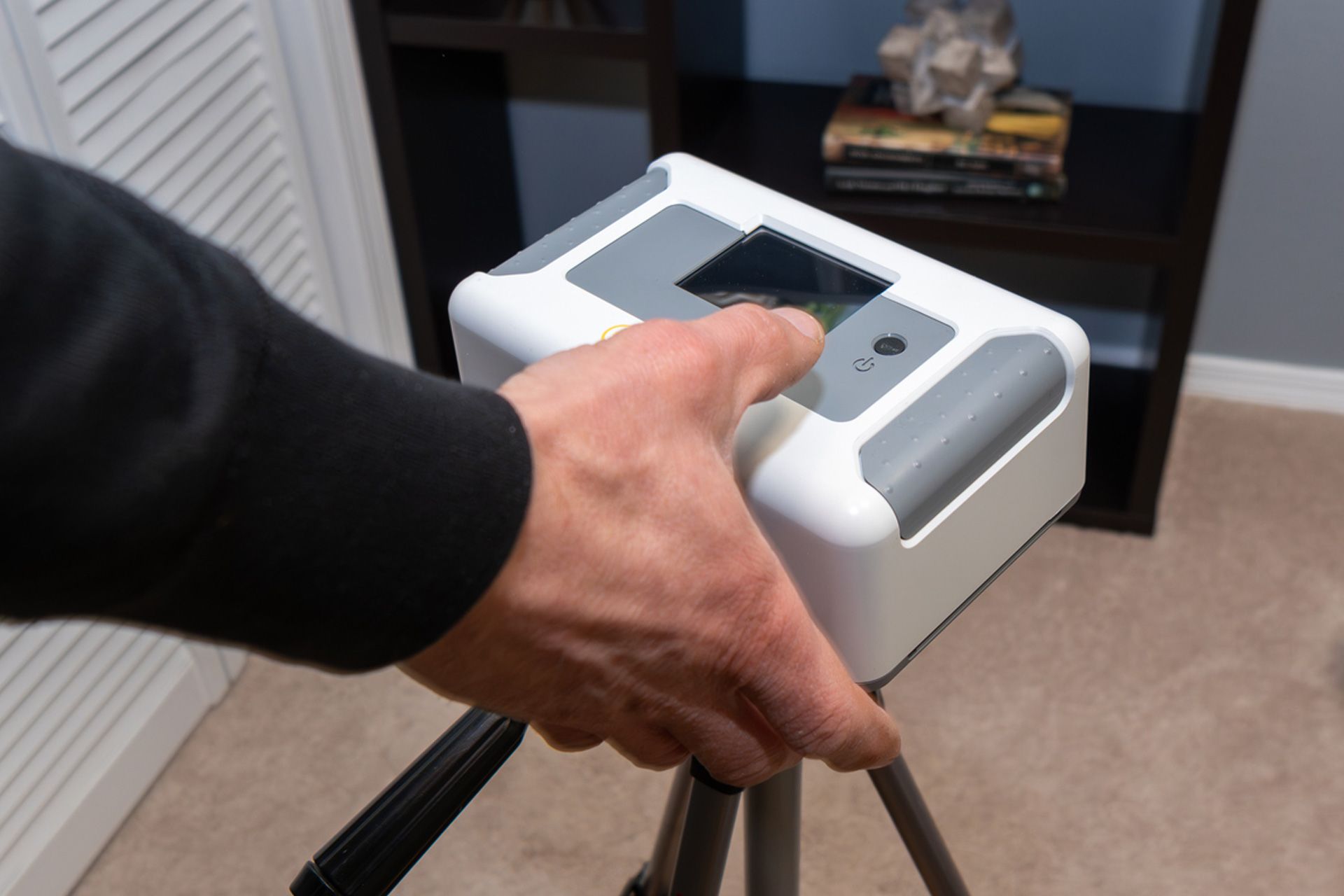
Commercial property inspections, often referred to as property condition assessments, are comprehensive evaluations of a building’s physical condition. These inspections examine structural components, electrical systems, plumbing, HVAC systems, roofing, and more. They are a vital part of the due diligence process when purchasing, leasing, or managing a commercial property.
Unlike residential inspections, commercial inspections are more detailed and customized based on the property type and its intended use.
1. Protecting Your Investment
Commercial real estate is designed to generate income, whether through rental yields or long-term appreciation. However, hidden defects can quickly turn a promising investment into a financial burden.
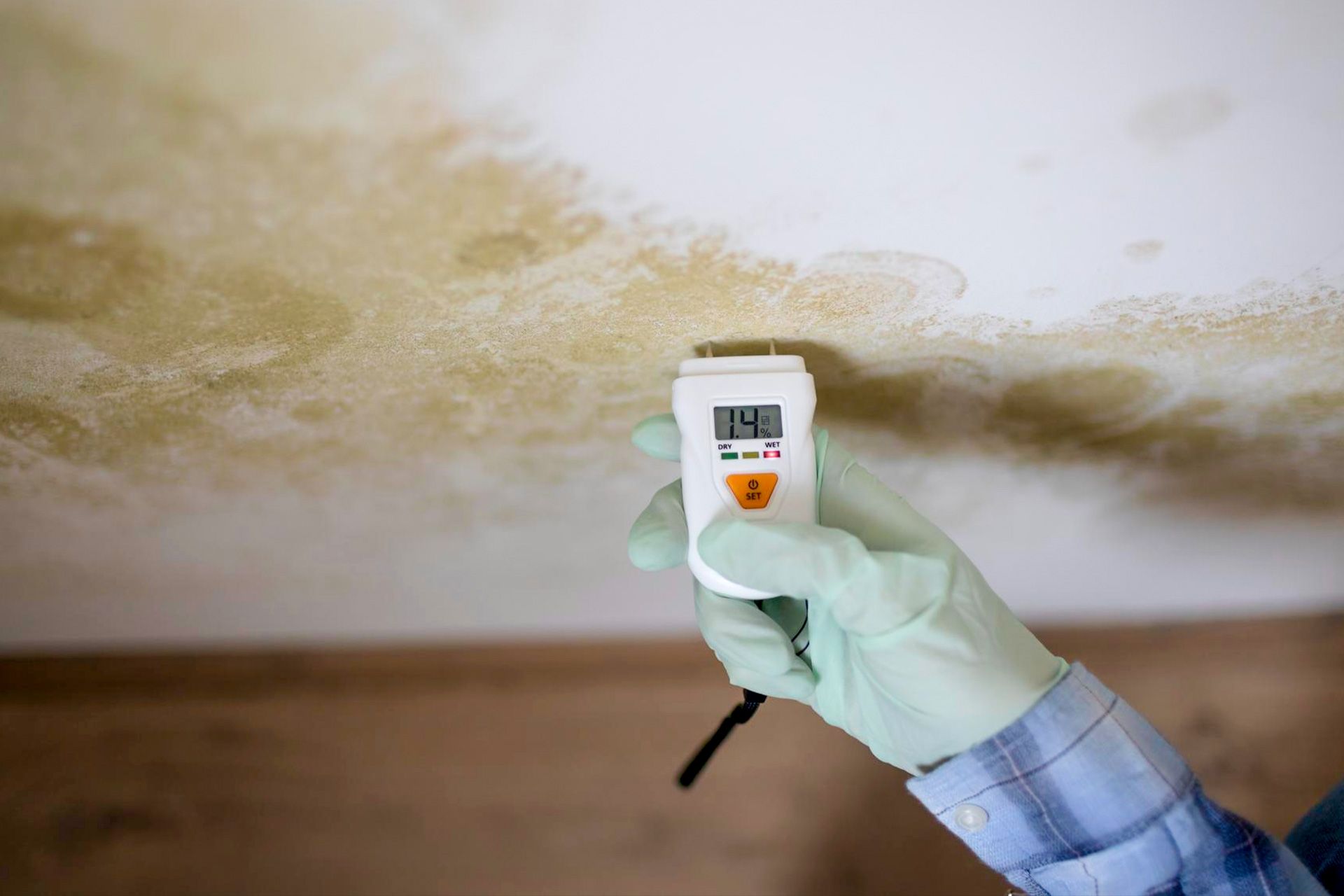
A professional inspection helps identify underlying issues such as structural weaknesses, water damage, or outdated systems. Detecting these problems early allows buyers to avoid costly surprises after closing.
In Michigan, where seasonal weather conditions can impact buildings significantly, inspections become even more critical to assess wear and tear caused by snow, moisture, and temperature fluctuations.
2. Identifying Safety Hazards
Safety should always be a top priority in any commercial property. Inspections uncover potential hazards like faulty wiring, fire risks, mold, or structural instability—issues that could endanger occupants.
Ensuring a safe environment is not just about compliance, it also protects your reputation and reduces liability risks. Regular inspections help maintain a secure space for employees, tenants, and customers.
3. Ensuring Legal and Code Compliance
Every state, including Michigan, has specific building codes and regulations that commercial properties must meet. A Commercial Inspection for Buyers ensures the property complies with zoning laws, fire safety codes, accessibility standards, and environmental regulations.
Failing to meet these requirements can result in fines, legal issues, or costly upgrades after purchase. Inspections highlight non-compliance issues early, allowing you to address them proactively.
4. Accurate Property Valuation
A property may look appealing on the surface, but its true value depends on its condition. Inspections provide a detailed understanding of the building’s current state, helping buyers determine whether the asking price is justified.
This insight is especially valuable in competitive markets across Michigan, where pricing can vary widely based on location, demand, and property condition. A well-informed buyer is better positioned to make a fair and strategic investment decision.
5. Strengthening Negotiation Power
One of the biggest advantages of Commercial Property Inspections is the leverage they provide during negotiations.
If the inspection reveals issues, such as roof damage or outdated HVAC systems, you can:
- Request repairs before closing
- Negotiate a lower purchase price
- Ask for credits to cover future repairs
This can save you thousands (or even millions) of dollars and ensure you’re not overpaying for the property.
6. Preventing Unexpected Costs
Unexpected repairs can significantly impact your ROI. Without an inspection, you might inherit costly problems that were not visible during a walkthrough.
Inspections help identify both immediate and future maintenance needs. Addressing these issues early prevents minor problems from escalating into major expenses.
For example, a small plumbing leak detected during an inspection can be fixed quickly, avoiding extensive water damage and costly repairs later.
7. Planning for Future Maintenance
Commercial properties require ongoing maintenance to remain functional and profitable. Inspections provide a roadmap for future repairs and upgrades.
By understanding the condition of key systems, buyers can:
- Budget for maintenance expenses
- Plan capital improvements
- Extend the lifespan of the property
This proactive approach helps maintain property value and ensures long-term operational efficiency.
8. Reducing Investment Risk
Every real estate investment carries some level of risk, but inspections significantly reduce uncertainty.
By uncovering hidden defects, environmental concerns, or structural issues, inspections allow buyers to make informed decisions. In some cases, the findings may even lead you to walk away from a deal that could have resulted in substantial losses.
Ultimately, a Commercial Inspection for Buyers acts as a safeguard, ensuring you fully understand what you're investing in before committing.
9. Supporting Financing and Insurance Requirements
Lenders and insurance providers often require property inspections before approving loans or coverage. A detailed inspection report demonstrates that the property has been evaluated professionally and meets necessary standards.
In Michigan’s commercial real estate market, having a comprehensive inspection report can streamline the financing process and improve your chances of securing favorable terms.
10. Enhancing Long-Term Property Value
Regular inspections don’t just benefit buyers, they’re also essential for long-term property management.
Routine inspections help:
- Maintain building quality
- Improve tenant satisfaction
- Preserve market value
By addressing issues early and keeping the property in top condition, owners can maximize returns and attract high-quality tenants.
Why Commercial Inspections Matter in Michigan
Michigan’s unique climate and diverse commercial landscape make inspections even more important. From heavy snowfall to humidity and aging infrastructure in certain areas, properties can face a wide range of challenges.
A localized inspection ensures that these regional factors are considered, giving buyers a clearer picture of the property’s condition and future performance.
Final Thoughts
Skipping a commercial property inspection might seem like a way to save time or money, but it can lead to costly consequences. From uncovering hidden issues to strengthening negotiation power, Commercial Property Inspections are an essential step in any real estate transaction.
For buyers, especially in Michigan, a thorough Commercial Inspection for Buyers provides peace of mind, financial protection, and the confidence to move forward with a smart investment.
Schedule your commercial property inspection with Elevate Inspections Group today and move forward with confidence.
FAQs
What does a commercial property inspection include?
A commercial inspection typically covers structural elements, roofing, HVAC systems, electrical systems, plumbing, safety features, and overall building condition.
How long does a commercial inspection take?
Depending on the size and complexity of the property, inspections can take anywhere from a few hours to several days.
Is a commercial inspection necessary for new buildings?
Yes. Even newly constructed buildings can have defects or code compliance issues that need to be addressed.
How much does a commercial property inspection cost in Michigan?
Costs vary based on property size, type, and scope of inspection, but it is a worthwhile investment considering the potential savings.
Can I negotiate after a commercial inspection?
Absolutely. Inspection reports provide valuable leverage to negotiate repairs, price reductions, or seller concessions.
Disclaimer: The information on this website and blog is for general informational purposes only and is not professional advice. We make no guarantees of accuracy or completeness. We disclaim all liability for errors, omissions, or reliance on this content. Always consult a qualified professional for specific guidance.
Search
Recent Post