What Is an Attic Inspection and Why Does It Matter?
The attic is one of the easiest areas of a home to forget. Most homeowners do not go up there often. Some may never look inside unless they are storing boxes or checking for a leak. But the attic can reveal a lot about the condition of a home.
An attic inspection is a visual review of the attic space. It helps identify problems with insulation, ventilation, roof leaks, moisture, pests, wiring, ductwork, and framing. During an attic review, inspectors often look at insulation depth and condition, ventilation, mechanical exhaust systems, attic floors, storage areas, and signs of water, pest, or fire damage.
For buyers, this inspection can help uncover issues before closing. For homeowners, it can help catch small problems before they turn into bigger repairs.
What Is an Attic Inspection?
An attic inspection is part of a home inspection when the attic is visible and safely accessible. The inspector looks at the condition of the attic and checks for signs of damage, poor installation, or safety concerns.
The attic can show clues about:
- Roof leaks
- Moisture buildup
- Poor ventilation
- Missing insulation
- Pest activity
- Electrical concerns
- Duct problems
- Structural issues
- Fire damage
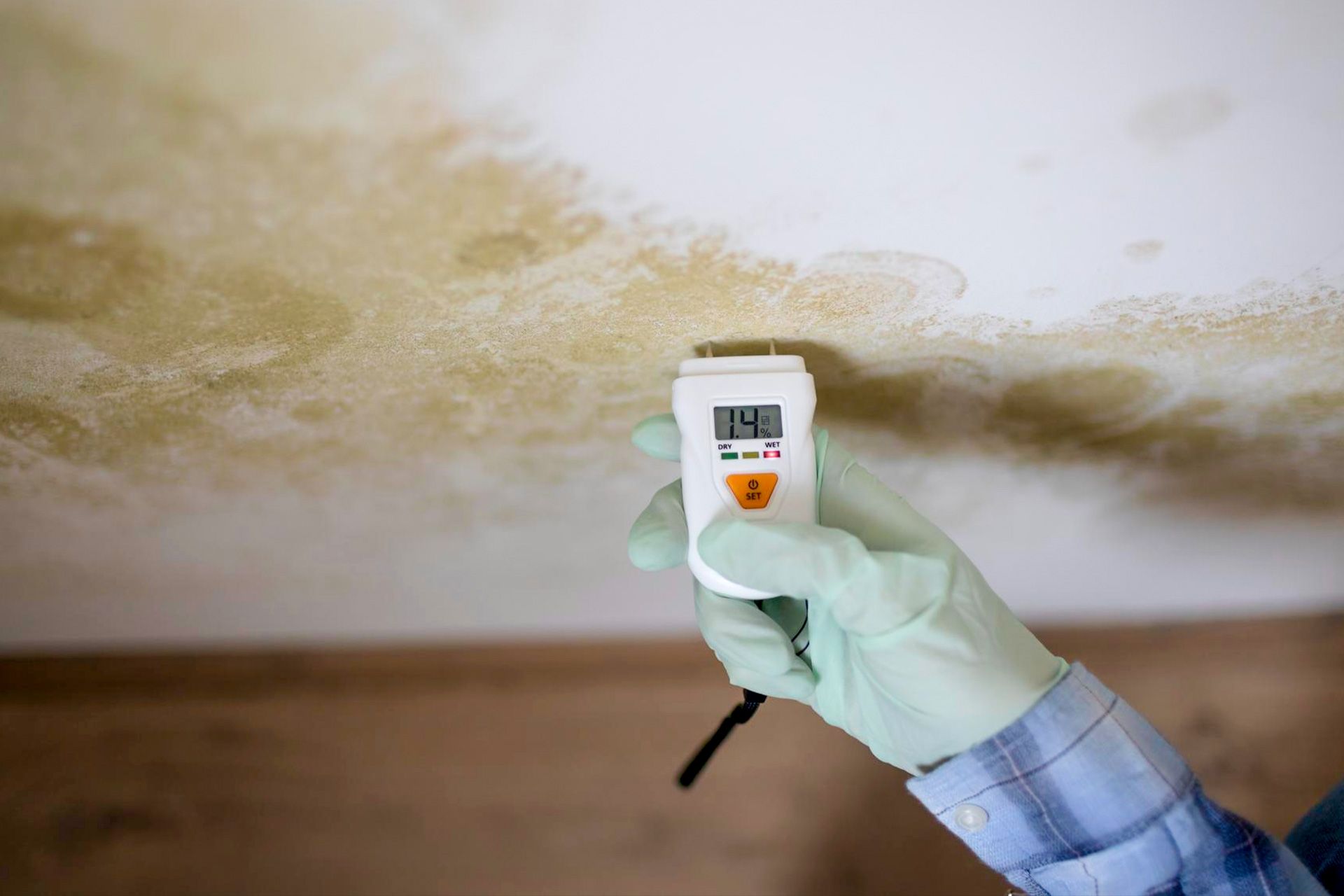
- Mold-like staining
The inspector does not tear open walls or remove large amounts of insulation. It is usually a visual inspection. Still, the attic can reveal issues that are not easy to see from inside the living space.
Why The Attic Matters
The attic plays a bigger role than many homeowners realize. It helps protect the roof structure, supports energy efficiency, and affects indoor comfort.
A healthy attic can help with:
- Better temperature control
- Lower moisture risk
- Longer roof life
- Better ventilation
- Improved insulation performance
- Fewer hidden leak problems
- Better indoor comfort
A poorly maintained attic can create issues throughout the home. For example, weak ventilation can trap heat and moisture. Missing insulation can make rooms uncomfortable.
Roof leaks may first show up as stains on attic sheathing before they appear on the ceiling below.
What Inspectors Look For In The Attic
Inspectors check the attic for visible and accessible concerns. The exact review depends on the home, access, safety, insulation, and attic design.
Common areas checked include:
- Roof framing
- Roof decking
- Rafters and trusses
- Insulation type and depth
- Ventilation openings
- Bathroom exhaust vents
- Kitchen or laundry vents
- Ductwork
- Electrical wiring
- Signs of pests
- Water stains
- Fire damage
- Attic flooring
- Stored items that may block access
An attic inspection can reveal clues that are not always visible from the living space. Water stains may point to roof leaks. Poor ventilation can trap heat and moisture. Damaged insulation, unsafe wiring, pest activity, or blocked vents may also need further review.
Roof Leaks And Water Stains
The attic is one of the best places to look for roof leak signs. A roof leak may not always drip into a room right away. It may first show up on the underside of the roof deck or around roof penetrations.
Inspectors may look for:
- Dark stains on roof sheathing
- Wet insulation
- Rusted nails
- Water marks around vents
- Stains near chimneys
- Drips near roof valleys
- Damaged roof decking
- Musty smells
In some cases, drone roof imaging can also help inspectors review hard-to-reach roof areas from the exterior. This may reveal damaged shingles, flashing concerns, roof valleys, or visible surface defects that connect with attic leak signs.
Roof leaks should not be ignored. Even a small leak can lead to wood damage, insulation problems, or mold-like growth over time.
Insulation Problems
Insulation helps keep the home more comfortable. It also helps reduce heat loss in winter and heat gain in summer. If insulation is missing, uneven, wet, or compressed, the home may not perform well.
Common insulation concerns include:
- Thin insulation
- Missing insulation
- Uneven coverage
- Compressed insulation
- Insulation blocking vents
- Wet insulation
- Pest damaged insulation
- Gaps near attic hatches
- Poor insulation around ducts
Poor insulation can make rooms feel too hot or too cold. It can also make heating and cooling systems work harder.
Ventilation Concerns
Attic ventilation helps move air through the attic. Good airflow helps reduce heat and moisture buildup. Poor ventilation can lead to many problems.
Inspectors may check for:
- Blocked soffit vents
- Missing ventilation
- Damaged vents
- Poor air movement
- Exhaust fans venting into the attic
- Moisture stains
- Condensation signs
- Mold-like staining
- Rusted nails
Ventilation is especially important in Michigan. Cold winters and warm summers can create temperature changes that affect the attic. Without proper airflow, moisture can collect and damage wood or insulation.
Bathroom Fans Venting Into The Attic
One common attic problem is an exhaust fan that vents into the attic instead of outside.
Bathroom, kitchen, and laundry vents should move moist air out of the home.
If they empty into the attic, they can add moisture to the space. Over time, this may lead to:
- Damp insulation
- Mold-like growth
- Wood staining
- Musty odors
- Rusted fasteners
- Roof sheathing damage
This is why home inspectors pay close attention to exhaust systems. The sample source also notes that attic inspections may include mechanical exhaust systems in kitchen, bathroom, and laundry areas.
Pest And Animal Evidence
Attics can attract pests and small animals. Warmth, shelter, and nesting material can make the attic an appealing space.
Inspectors may look for:
- Droppings
- Nesting material
- Chewed wires
- Damaged insulation
- Entry holes
- Scratching sounds
- Odors
- Wood damage
- Insect activity
Pest activity should be handled quickly. Some pests can damage insulation, wiring, wood, or ductwork.
Electrical And Safety Concerns
Some homes have electrical wiring in the attic. Inspectors may look for visible safety concerns, especially if past work appears unfinished or improper.
Possible concerns include:
- Exposed wire splices
- Loose wiring
- Open junction boxes
- Damaged wires
- Unsupported cables
- Unsafe lighting
- Signs of overheating
- Old or improper repairs
Attics can contain wiring that was added, repaired, or changed over time. Inspectors look for visible issues such as exposed splices, open junction boxes, damaged wires, or loose cables because these conditions may create safety risks and should be reviewed by a licensed electrician.
Structural Clues In The Attic
The attic can show how the roof structure is performing. Inspectors may check visible framing for damage, movement, or poor alterations.
They may look at:
- Rafters
- Trusses
- Ceiling joists
- Roof decking
- Bracing
- Fasteners
- Cracked framing
- Sagging areas
- Cut or altered members
- Signs of fire damage
Structural concerns in the attic should be taken seriously. If visible framing appears damaged or altered, further evaluation may be needed.
Why Buyers Should Not Skip The Attic
For buyers, the attic can reveal issues that are not obvious during a showing. A clean living room does not always mean the roof, ventilation, and insulation are in good shape.
An attic review can help buyers learn about:
- Past roof leaks
- Poor insulation
- Moisture concerns
- Pest activity
- Unsafe wiring
- Improper ventilation
- Hidden fire damage
- Roof structure concerns
This information can help buyers ask better questions before closing.
When Homeowners Should Schedule An Attic Review
You do not have to be buying a home to care about the attic. Current homeowners should also pay attention when something feels off.
Schedule an attic review if you notice:
- Musty smells
- Ceiling stains
- High indoor humidity
- Hot or cold rooms
- Ice dams
- Roof leaks
- Pest sounds
- Higher energy use
- Sagging ceilings
- Mold-like staining
- Bathroom fan moisture issues
Early home inspection can help catch problems before they spread.
How To Prepare For The Inspection
If the attic will be checked, access matters. Inspectors may not be able to enter if the space is blocked, unsafe, or too tight.
Homeowners can prepare by:
- Clearing the attic access
- Moving stored items away from the hatch
- Making sure lights work if available
- Securing pets
- Sharing known leak history
- Pointing out ceiling stains
- Providing records for roof repairs
- Avoiding unsafe DIY access
The inspector will decide what is safe and accessible. Some attics can only be viewed from the opening.
Conclusion
An attic inspection matters because the attic can reveal roof leaks, insulation problems, poor ventilation, moisture, pests, wiring concerns, and structural clues. It is one of the most important hidden areas of the home.
For buyers, it can provide helpful information before closing. For homeowners, it can help identify issues before they become more serious.
If you are buying, selling, or maintaining a home in Michigan, Elevate Inspection Group can help. Our team reviews visible and accessible attic areas and explains findings clearly so you can better understand the condition of your home.
FAQs
What Is An Attic Inspection?
An attic inspection is a visual review of the attic space. It checks visible and accessible areas for moisture, insulation, ventilation, pests, wiring, roof leaks, and framing concerns.
Why Is The Attic Important In A Home Inspection?
The attic can reveal hidden problems such as roof leaks, poor ventilation, missing insulation, pest activity, and electrical concerns that may not be visible inside the home.
What Do Inspectors Look For In An Attic?
Inspectors may look at insulation, ventilation, roof decking, rafters, trusses, ductwork, exhaust vents, water stains, pest evidence, wiring, and fire damage.
Can An Attic Show Roof Problems?
Yes. The attic may show roof leak signs such as water stains, wet insulation, rusted nails, damaged decking, or moisture near vents, chimneys, and roof valleys.
Is It Bad If A Bathroom Fan Vents Into The Attic?
Yes, it can be a concern. Bathroom fans should vent outside. If they release moist air into the attic, it may lead to damp insulation, staining, or mold like growth.
Can Inspectors Always Enter The Attic?
Not always. Access depends on safety, space, insulation, stored items, and the attic opening. Sometimes the inspector can only view the attic from the access point.
When Should Homeowners Check Their Attic?
Homeowners should check or schedule an inspection if they notice ceiling stains, musty smells, pest sounds, ice dams, roof leaks, high humidity, or uneven room temperatures.
Disclaimer: The information on this website and blog is for general informational purposes only and is not professional advice. We make no guarantees of accuracy or completeness. We disclaim all liability for errors, omissions, or reliance on this content. Always consult a qualified professional for specific guidance.
Search
Recent Post