Home Inspection Technology: Tools That Detect Hidden Issues
A home can look clean and well maintained during a showing, but some problems are not easy to see with the eyes alone. Moisture can hide behind walls. Electrical parts can overheat without obvious signs. Insulation gaps may make rooms uncomfortable. Small leaks can stay hidden until they become expensive repairs.
That is where home inspection technology helps.
Modern inspection tools give inspectors more ways to check a property. These tools do not replace experience. They support it. A good inspector uses training, visual review, and the right equipment to better understand what may be happening inside the home.
For buyers, this means clearer information. For sellers, it can help identify issues before they slow down a sale. For homeowners, it can help catch problems early.
Why Technology Matters In Home Inspections
A traditional home inspection is mostly visual. The inspector checks visible and accessible areas of the home. This includes the roof, exterior, foundation, attic, basement, electrical system, plumbing, HVAC, and interior areas.
But not every issue is visible.
Some concerns can hide behind:
- Walls
- Ceilings
- Floors
- Insulation
- Cabinets
- Finished surfaces
- Electrical panels
- Plumbing areas
- Attic spaces
- Basement walls
The sample source explains that traditional inspections can miss hidden concerns because they rely on visual checks and simple testing. It also notes that tools like thermal cameras and moisture meters can help inspectors find moisture, electrical, and insulation concerns that may otherwise go unnoticed.
Thermal Imaging Cameras
A thermal imaging camera shows temperature differences on surfaces. It does not see through walls, but it can show heat patterns that may point to hidden issues.
Inspectors may use thermal imaging to look for:
- Possible moisture behind walls
- Roof leak patterns
- Missing insulation
- Air leaks
- Cold spots
- Hot electrical components
- HVAC airflow issues
- Temperature differences around windows and doors
For example, a cool area on a ceiling may suggest moisture from a roof leak. A cold wall section may suggest missing insulation. A hot electrical breaker may need further review.
Thermal imaging is helpful, but it is not proof by itself. If a suspicious pattern appears, the inspector may use another tool, like a moisture meter, to confirm the concern.
Moisture Meters
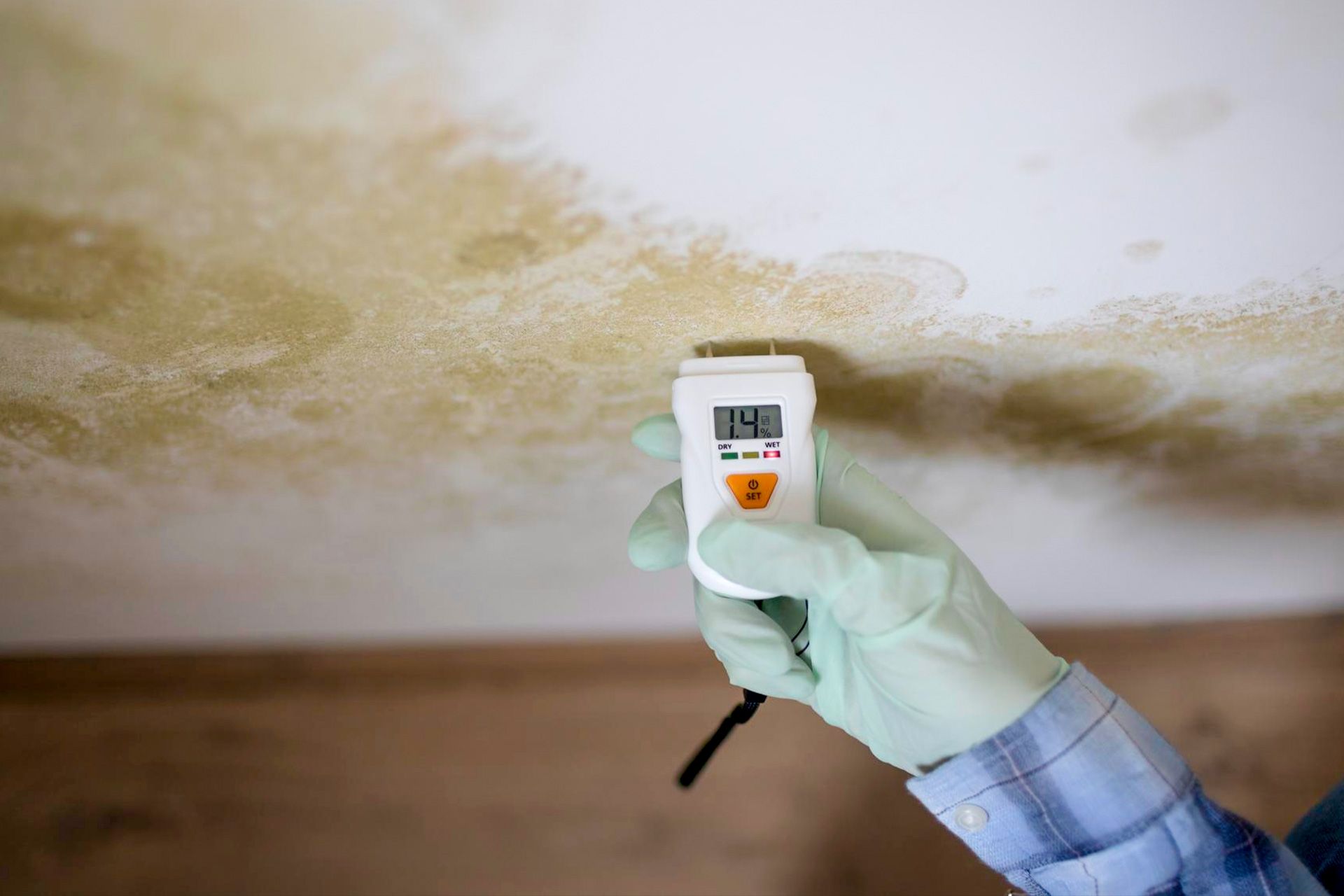
Moisture is one of the biggest hidden problems in homes. A wall or ceiling may look normal, but moisture can still be present behind the surface.
A moisture meter helps measure moisture levels in materials like:
- Drywall
- Wood
- Trim
- Flooring
- Subflooring
- Ceiling areas
- Basement walls
- Window areas
Moisture meters are often used when a home inspector sees stains, swelling, musty smells, or thermal patterns. The sample source explains that moisture meters can help identify water damage from roof leaks, plumbing leaks, basement flooding, and moisture in building materials.
This tool can help identify concerns related to:
- Hidden leaks
- Wet wood
- Damp drywall
- Basement moisture
- Possible mold conditions
- Roof leak areas
- Plumbing problems
- Window leaks
Moisture should not be ignored. If it stays in the home too long, it can lead to damage, odors, pests, or mold-like growth.
Electrical Testers
Electrical issues can be serious. Inspectors use basic electrical testing tools to check accessible outlets and visible electrical conditions.
Electrical tools may help check:
- Outlet function
- Reversed polarity
- Missing ground
- GFCI protection
- Open circuits
- Unsafe outlet conditions
- Basic power flow
These tools are useful, but they do not replace a licensed electrician. If an inspector finds signs of unsafe wiring, overheating, open splices, damaged panels, or repeated electrical concerns, they may recommend further review.
Electrical problems matter because they can affect safety and daily use of the home.
Outlet And GFCI Testing
GFCI outlets are designed to help reduce shock risk in areas where water may be present. These are often found in kitchens, bathrooms, garages, laundry rooms, basements, and exterior areas.
Inspectors may test accessible GFCI outlets to see if they respond properly.
They may check areas such as:
- Bathrooms
- Kitchen counters
- Garage outlets
- Exterior outlets
- Laundry rooms
- Unfinished basements
- Crawl spaces
If GFCI protection is missing or not working, the report may recommend correction by a qualified professional.
Infrared Thermometers
An infrared thermometer checks surface temperature from a distance. It is not the same as a full thermal camera, but it can still be useful.
Inspectors may use it to check:
- HVAC supply air temperature
- Water heater performance clues
- Warm or cool wall areas
- Appliance temperature concerns
- Temperature differences between rooms
This tool helps home inspectors gather more information when something feels unusual.
For example, if a room feels much colder than others, temperature readings may help confirm the difference.
Gas Leak Detectors
Some homes use natural gas or propane for heating, cooking, fireplaces, or water heating. If there is a suspected leak, a gas detection tool can help identify possible gas presence.
Inspectors may use gas detection tools near:
- Furnaces
- Water heaters
- Gas fireplaces
- Gas stoves
- Gas shutoff valves
- Exposed gas piping
Gas concerns should always be taken seriously. If gas is suspected, the area should be handled safely and reviewed by the proper professional.
Drones For Roof And Exterior Checks
Some roofs are steep, high, wet, icy, or unsafe to walk. In those cases, drone technology can help inspectors view areas that may otherwise be hard to access.
Drones may help inspect:
- Roof surfaces
- Chimneys
- Flashing areas
- Gutters
- Upper siding
- Tall exterior walls
- Roof valleys
- Storm damage concerns
A drone does not replace hands-on inspection when safe access is possible, but it can provide useful photos and closer views. Drone roof imaging can also help document visible roof concerns, especially when access is limited by height, pitch, weather, or roof condition.
For Michigan homes, drones can be helpful when snow, height, pitch, or roof condition limits safe access.
Sewer Cameras
A sewer camera is used to check the main sewer line. This is usually an added service, not part of a basic home inspection.
A camera can help identify:
- Tree root intrusion
- Cracked pipes
- Pipe separation
- Blockages
- Low spots
- Collapsed areas
- Standing water
- Older pipe materials
This is useful because the sewer line is underground and cannot be checked visually without a camera. Older homes, homes with large trees, and homes with slow drains may benefit from this service.
Radon Testing Devices
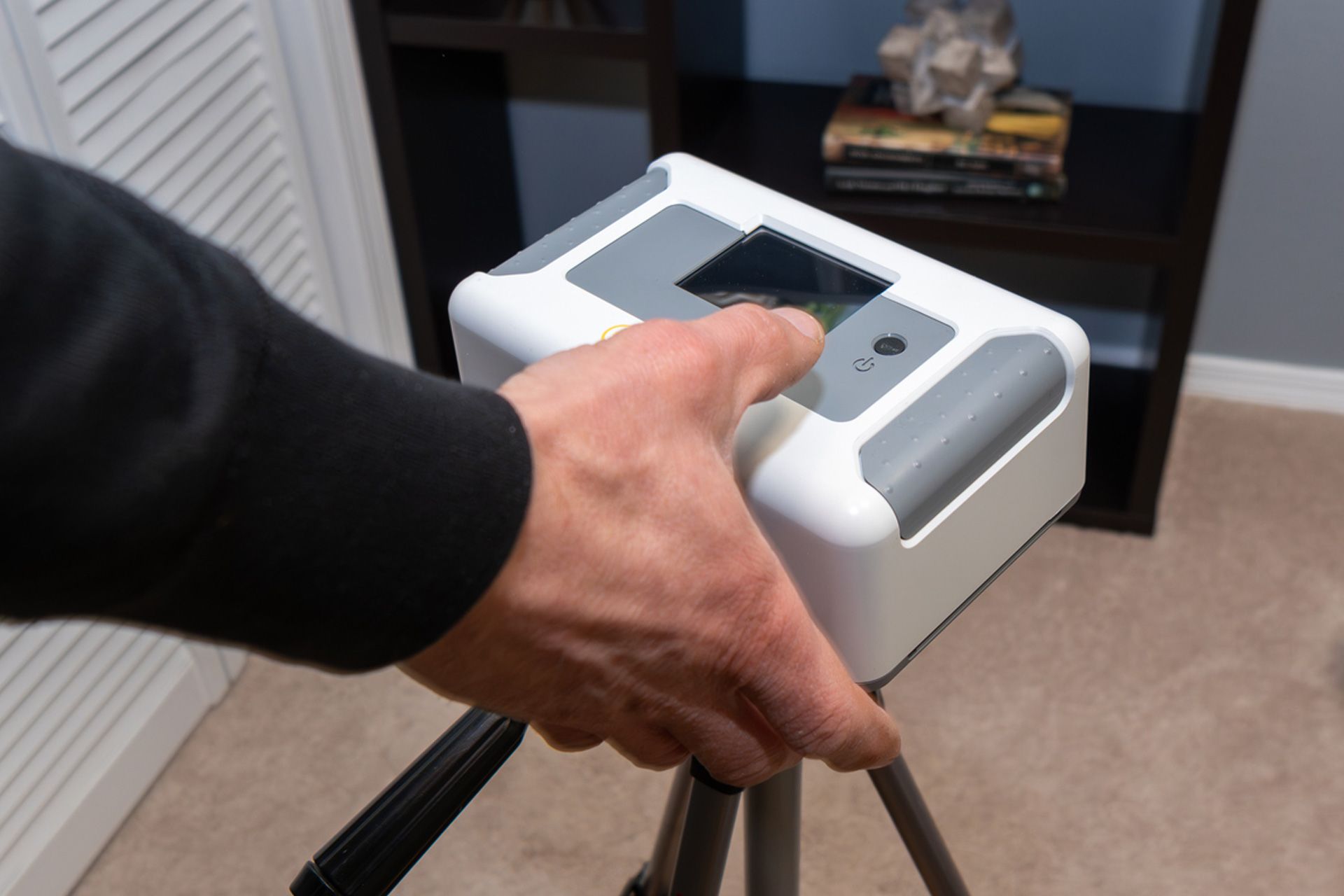
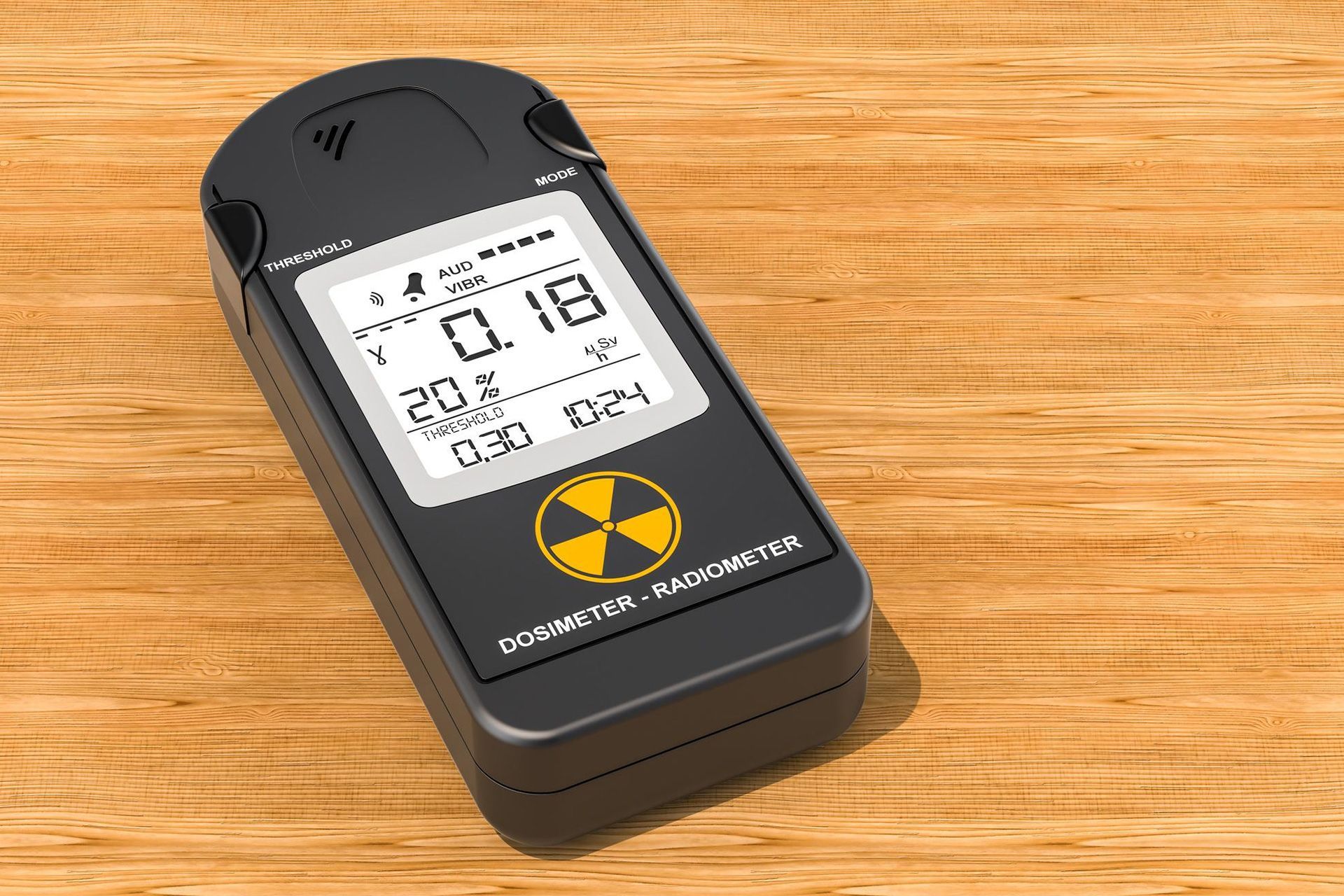
Radon is an invisible gas that can enter homes through soil and foundation openings. Since you cannot see or smell radon, testing equipment is needed.
Radon testing devices measure radon levels over a set testing period. This can be helpful for buyers and homeowners who want to understand indoor air safety.
Radon testing may be especially important in:
- Homes with basements
- Homes with crawl spaces
- Lower-level living areas
- Homes with foundation cracks
- Properties in areas with known radon concerns
Testing is the only way to know the radon level in a home.
Why Tools Do Not Replace Experience
Technology is helpful, but tools are only part of the inspection. A camera, meter, or tester cannot explain the full condition of the home by itself.
A skilled inspector knows:
- When to use each tool
- How to read the results
- What findings may mean
- When to verify with another method
- When to recommend a specialist
- How to explain concerns clearly
For example, a thermal camera may show a cool spot on a wall. That could mean moisture, missing insulation, air movement, or another issue. The inspector must use judgment and confirm what is possible.
The tool gives a clue. The inspector provides the context.
What Buyers Should Ask About Inspection Tools
Before scheduling an inspection, buyers can ask simple questions about the process.
Helpful questions include:
- Do you use thermal imaging when needed?
- Do you use moisture meters?
- Are photos included in the report?
- Do you offer sewer scope inspections?
- Do you offer radon testing?
- How do you explain tool findings?
- Will you recommend specialists when needed?
- What areas may not be accessible?
These questions help buyers understand what is included and what may be available as an added service.
Common Hidden Issues These Tools May Help Find
Modern tools can help reveal clues about problems that are easy to miss.
They may help detect:
- Hidden moisture
- Roof leak clues
- Plumbing leaks
- Insulation gaps
- Drafts and air leaks
- Electrical hot spots
- Outlet safety concerns
- HVAC performance issues
- Sewer line damage
- Radon concerns
- Exterior roof damage
- Basement moisture
Not every tool is used in every home. The inspector chooses tools based on the property and the conditions present.
Conclusion
Home inspection technology helps inspectors find clues that may not be visible during a basic walkthrough. Thermal cameras, moisture meters, electrical testers, drones, sewer cameras, and radon testing devices can all add value when used correctly.
These tools do not replace a trained inspector. They support the inspection and help provide better information to buyers, sellers, and homeowners.
If you are buying, selling, or maintaining a home in Michigan, Elevate Inspection Group can help. Our team uses practical tools, clear reports, and easy-to-understand explanations so you can make confident decisions about your property.
FAQs
What Is Home Inspection Technology?
Home inspection technology refers to tools inspectors use to check homes more carefully. These may include thermal cameras, moisture meters, outlet testers, drones, sewer cameras, and radon testing devices.
Can Inspection Tools Find Hidden Problems?
They can help find clues to hidden issues, such as moisture, insulation gaps, electrical concerns, HVAC problems, or sewer line damage. Some findings may need further review.
Does A Thermal Camera See Through Walls?
No. A thermal camera does not see through walls. It shows surface temperature differences that may point to moisture, missing insulation, or air leaks.
Why Do Inspectors Use Moisture Meters?
Moisture meters help check if building materials may be wet. They are often used near stains, plumbing areas, basements, windows, and suspicious thermal patterns.
Are Drones Used In Home Inspections?
Yes, some inspectors use drones when roof areas are unsafe or hard to access. Drones can help capture photos of roofs, chimneys, gutters, and upper exterior areas.
Is Sewer Camera Inspection Part Of A Standard Inspection?
Usually, no. Sewer camera inspections are often an added service because they require special equipment to view the underground sewer line.
Do Tools Guarantee Every Problem Will Be Found?
No. Tools improve the inspection, but they cannot find every hidden issue. A home inspection is still limited to visible, accessible areas and available testing conditions.
Disclaimer: The information on this website and blog is for general informational purposes only and is not professional advice. We make no guarantees of accuracy or completeness. We disclaim all liability for errors, omissions, or reliance on this content. Always consult a qualified professional for specific guidance.
Search
Recent Post