Home Inspection Checklist: Know What Should Be Inspected
Buying a home is one of the biggest financial decisions most people make. A property may look beautiful on the surface, but hidden problems can exist behind walls, under floors, or above ceilings. That is why a detailed home inspection checklist is so important during the buying process.
A professional inspection helps buyers understand the property's true condition before closing. It can also help current homeowners identify maintenance issues early, before they require larger repairs.
In this complete home inspection guide, you will learn what inspectors evaluate, why inspections matter, and how a home inspection checklist can help protect your investment.
Why a Home Inspection Matters
A home inspection provides a detailed review of the visible and accessible areas of a property. The goal is to identify safety concerns, damage, wear, and system issues that may affect the home’s condition.
A proper home inspection checklist gives buyers and homeowners valuable information about:
- Structural condition
- Major systems
- Safety concerns
- Water damage
- Roof condition
- Plumbing and electrical systems
A professional inspection also helps homeowners plan future maintenance and repairs.
What Is Included in a Home Inspection Checklist?
A home inspection checklist covers many parts of the property, both inside and outside the home.
While every inspection may vary slightly, most professional inspectors evaluate the following areas.
1. Exterior Areas Included in a Home Inspection
The outside of the property is the first area inspectors review.
Roof Condition
Inspectors look for:
- Missing shingles
- Roof damage
- Signs of leaks
- Flashing problems
- Drainage concerns
Roof issues can lead to moisture damage if not addressed early.
Gutters and Drainage
The home inspection guide often includes checking gutters and downspouts to ensure water flows away from the foundation properly.
Siding and Exterior Walls
Inspectors examine siding materials for:
- Cracks
- Damage
- Rot
- Moisture issues
Foundation
A home inspection checklist should include the foundation. Inspectors check for:
- Cracks
- Settlement signs
- Water intrusion
- Structural concerns
Driveways and Walkways
Uneven concrete, trip hazards, and drainage issues may also be noted.
2. What Inspectors Check Inside the Home
The interior evaluation focuses on visible conditions throughout the home.
Walls, Ceilings, and Floors
Inspectors look for:
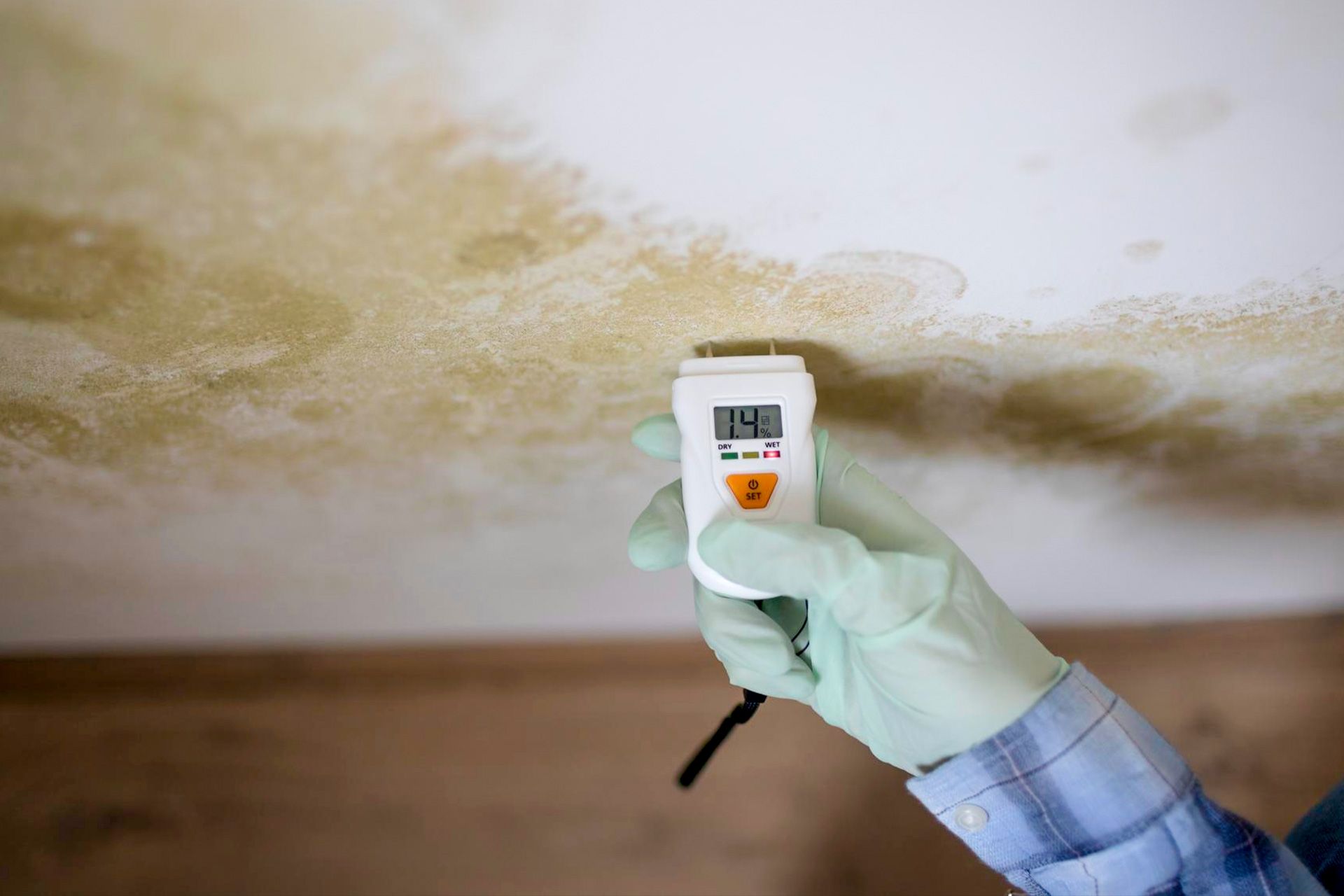
- Water stains
- Cracks
- Uneven flooring
- Mold signs
- Damage
These conditions can indicate moisture or structural problems.
Doors and Windows
A checklist to inspect a home includes checking whether doors and windows:
- Open properly
- Lock correctly
- Show signs of damage or drafts
Stairs and Railings
Safety is important during an inspection. Loose railings or damaged stairs may be identified as hazards.
3. Plumbing System Inspection
The plumbing system is one of the most important parts of a home inspection guide.
Pipes and Fixtures
Inspectors evaluate:
- Visible pipes
- Faucets
- Sinks
- Toilets
- Bathtubs
- Showers
Leaks or corrosion may indicate larger plumbing concerns.
Water Pressure
Low water pressure can point to pipe issues or plumbing restrictions.
Water Heater
Inspectors review the water heater for:
- Proper operation
- Age
- Visible leaks
- Safety concerns
4. Electrical System Inspection
Electrical systems play a major role in home safety.
Electrical Panel
The inspection checklist includes evaluating the electrical panel for:
- Proper wiring
- Safety hazards
- Signs of overheating
- Correct breaker labeling
Outlets and Switches
Inspectors test a sample of outlets and switches throughout the home.
Visible Wiring
Damaged or outdated wiring may be flagged for further evaluation.
5. Heating and Cooling Systems
Heating and cooling systems affect comfort, efficiency, and indoor air quality.
HVAC Equipment
Inspectors review:
- Furnace condition
- Air conditioning performance
- Visible ductwork
- Airflow
A property inspection checklist should always include HVAC components.
Air Filters and Ventilation
Restricted airflow or dirty filters can affect system performance and indoor comfort.
6. Attic and Insulation Inspection
The attic can reveal important information about the home’s condition.
Insulation
Inspectors evaluate insulation levels and coverage.
Ventilation
Proper attic ventilation helps reduce moisture buildup and heat retention.
Moisture Signs
Water stains or mold in the attic may point to roof leaks or ventilation issues.
7. Basement and Crawl Space Inspection
Basements and crawl spaces are common locations for hidden moisture problems.
Water Intrusion
A home inspection guide often includes checking for:
- Dampness
- Mold
- Standing water
- Foundation cracks
Structural Components
Inspectors review visible framing and support systems for signs of movement or damage.
Appliances Included in the Inspection
Depending on the inspection agreement, inspectors may evaluate built-in appliances such as:
- Dishwashers
- Ovens
- Garbage disposals
- Garage door openers
The goal is to verify basic operation during the inspection.
Common Problems Found During Home Inspections
Even well-maintained homes can develop hidden problems over time. Understanding the common issues found during home inspections can help homeowners identify concerns early and avoid costly repairs.
- Roof damage
- Plumbing leaks
- Electrical concerns
- Foundation cracks
- HVAC problems
- Water intrusion
- Poor drainage
- Mold or moisture issues
A thorough inspection checklist helps identify these problems before they worsen.
What a Home Inspection Does Not Include
While inspections are detailed, there are limitations.
Most standard inspections do not fully evaluate:
- Underground sewer lines
- Septic systems
- Mold testing
- Radon testing
- Hidden damage behind walls
Additional specialized inspections may be recommended if concerns are present.
Tips for Homebuyers Before an Inspection
- Attend the Inspection: Being present allows buyers to ask questions and better understand the property's condition.
- Review the Report Carefully: The inspection report provides important details about maintenance concerns and safety issues.
- Focus on Major Problems: No home is perfect. Buyers should pay close attention to structural, roofing, plumbing, and electrical concerns.
- Ask Questions: A professional inspector should explain findings clearly and help buyers understand the next steps.
Why Professional Inspections Matter
A detailed home inspection guide is only useful when backed by professional experience and careful evaluation.
Professional inspectors know how to:
- Identify warning signs
- Explain safety concerns
- Document findings clearly
- Help buyers make informed decisions
A quality inspection provides peace of mind and helps reduce surprises after moving into the home.
Conclusion
A complete home inspection checklist helps buyers and homeowners better understand a property’s condition before making important decisions. From the roof to the foundation, every part of the home plays a role in safety, comfort, and long-term value.
Using a professional home inspection guide can help identify hidden concerns early, support smarter maintenance planning, and provide confidence during the buying process.
At Elevate Inspection Group, we help homeowners and buyers make informed decisions with detailed inspections and clear reporting. Whether you are purchasing your first home or preparing to sell, we can help with a thorough checklist for inspecting the home's condition.
Contact our team today to schedule your professional home inspection.
FAQs
What is included in a home inspection checklist?
A home inspection checklist usually includes the roof, foundation, plumbing, electrical system, HVAC equipment, attic, insulation, windows, doors, and visible structural components.
How long does a home inspection take?
Inspection times vary based on the property size and condition, but many inspections take several hours to complete.
Should buyers attend the home inspection?
Yes. Attending the inspection helps buyers better understand the property and ask the inspector questions directly.
Can a home fail a home inspection?
A home inspection is not a pass-or-fail test. The inspection identifies issues and helps buyers understand the home’s condition.
What should homeowners fix before an inspection?
Homeowners should address visible safety issues, leaks, drainage concerns, and maintenance problems before the inspection whenever possible.
Disclaimer: The information on this website and blog is for general informational purposes only and is not professional advice. We make no guarantees of accuracy or completeness. We disclaim all liability for errors, omissions, or reliance on this content. Always consult a qualified professional for specific guidance.
Search
Recent Post