Home Insurance Inspection Checklist: How to Prepare Your Home
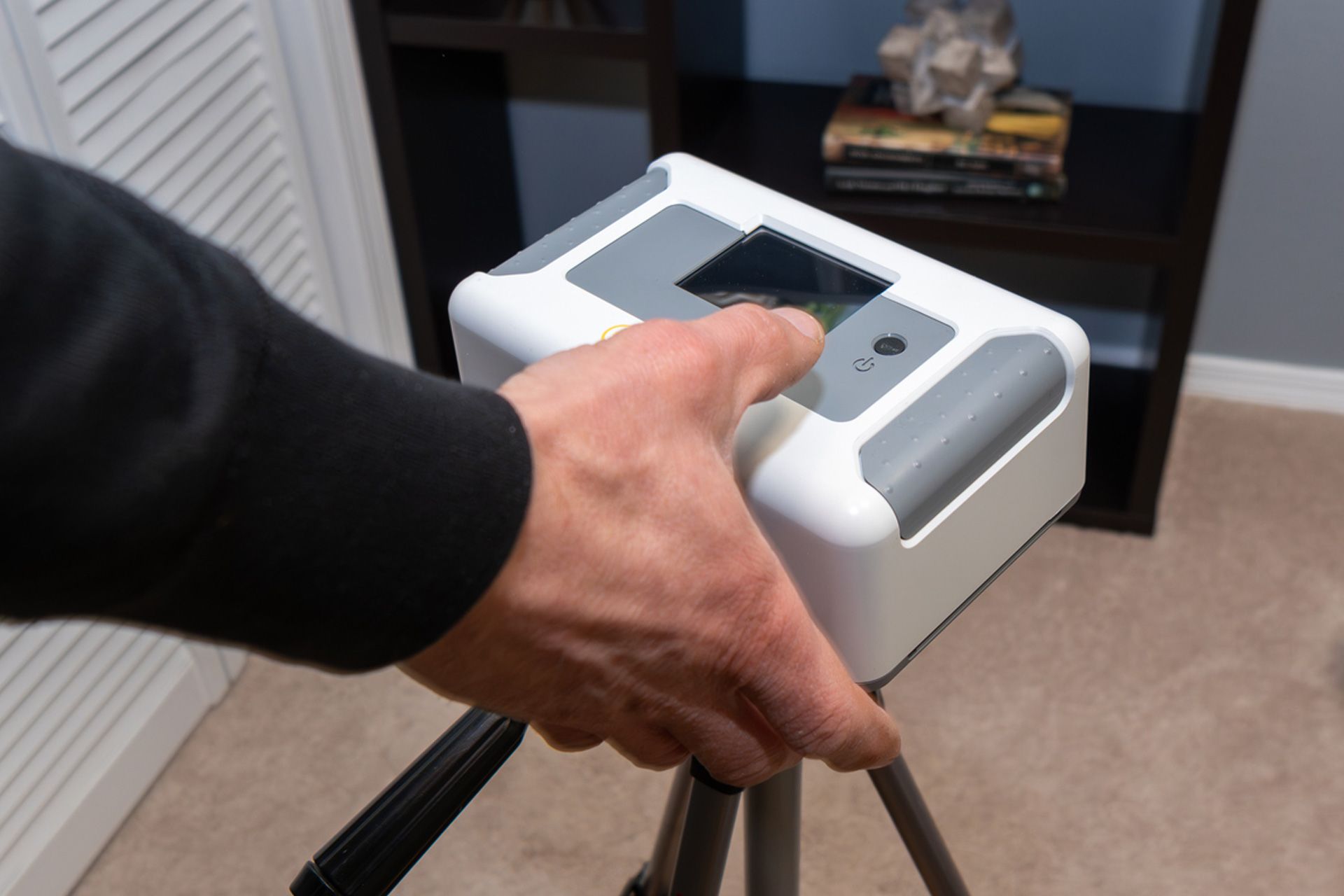
A home insurance inspection can help an insurance company better understand a property's condition, features, safety systems, and potential risks. Depending on the insurer and the home, the review may focus only on the exterior or may include both interior and exterior areas. The purpose is generally related to property risk and replacement considerations, not determining the home's market value.
Preparing ahead of time does not mean making your house perfect. The goal is to make important areas accessible, address known maintenance issues, organize useful records, and ensure basic safety features are functioning properly.
This home insurance inspection checklist explains the areas homeowners should review before the appointment and how to prepare without making unnecessary changes.
Do You Need An Inspection For Home Insurance
Not every insurance company handles property inspections in the same way. Some carriers may use exterior photographs, virtual reviews, or other property information, while others may arrange an in-person inspection. The type of review can also depend on the property, recent renovations, the carrier, and the coverage you're considering.
If your insurer requests an inspection, ask what access they need. You may also want to confirm whether the inspector needs information about the roof, heating and cooling equipment, plumbing, electrical system, renovations, safety devices, or other major property features.
Don't confuse an insurance-related inspection with a buyer's property inspection. A buyer usually schedules an inspection to better understand a property's visible condition before purchasing it. An insurance company generally focuses more on risk, building characteristics, safety features, and information related to insuring the property.
1. Review the Roof and Exterior Before the Appointment
Start outside, as many maintenance issues are visible without entering the home.
Walk around the property and look at the roof from a safe location on the ground. Check for obvious missing or damaged shingles, loose materials, damaged gutters, or areas that appear worn. Do not climb onto the roof simply to prepare for the inspection. If you already know about roof damage, consider having a qualified professional evaluate it.
Next, look at gutters and downspouts. Gutters should be reasonably clear of heavy debris, and downspouts should direct water away from the foundation where possible.
Check siding, exterior trim, windows, doors, porches, decks, stairs, and railings. Loose handrails, damaged steps, rotting materials, or broken exterior components are worth addressing because they may create safety or maintenance concerns.
Landscaping also deserves attention. Tree limbs should not cause obvious damage to the roof or siding, and heavy vegetation should not block important access areas.
2. Look Carefully for Leaks and Water Damage
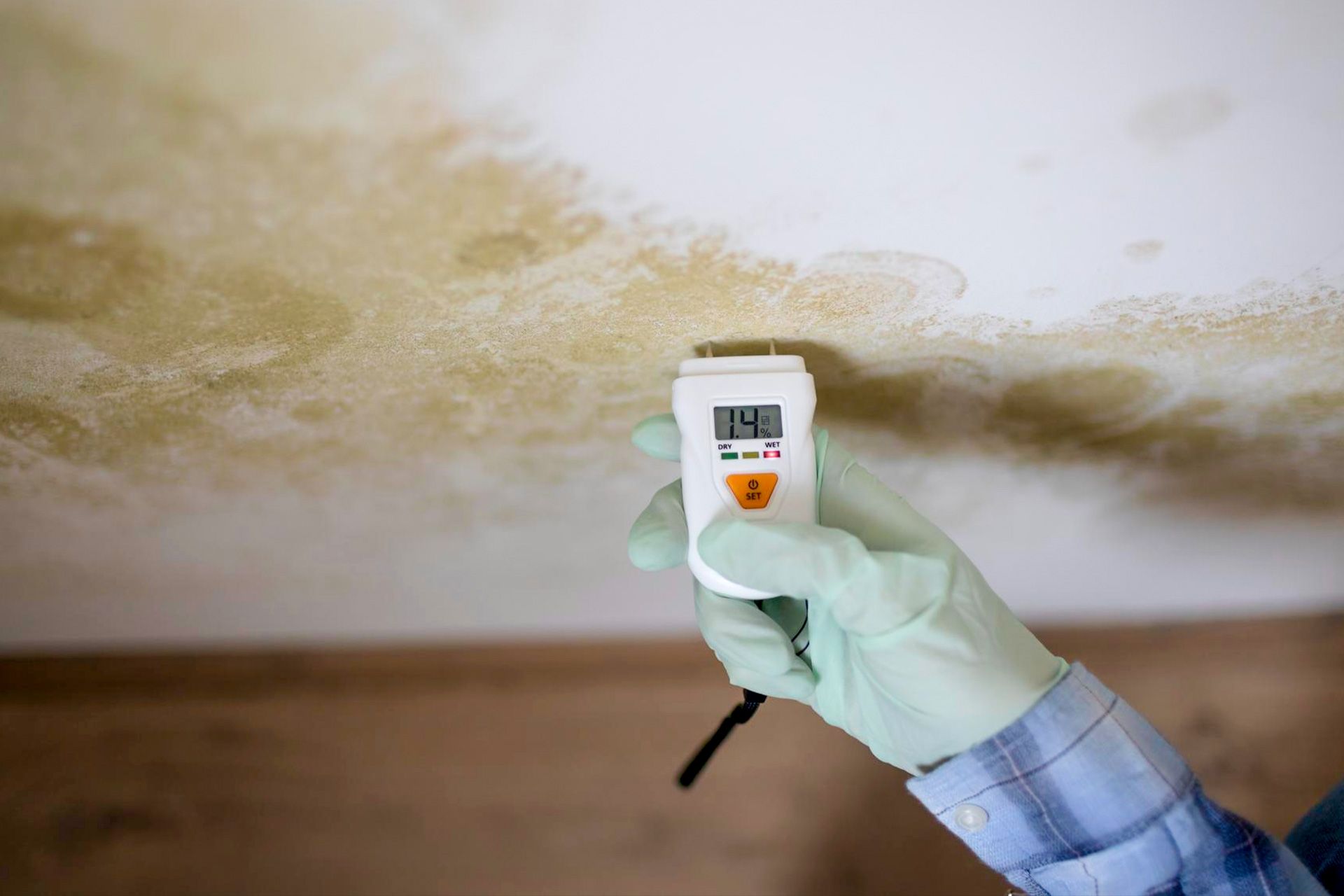
Water concerns deserve special attention because a small leak can affect ceilings, flooring, cabinets, drywall, framing, and other materials.
Check under kitchen and bathroom sinks for moisture, stains, damaged cabinet surfaces, or active dripping. Look around toilets, showers, tubs, washing machine connections, dishwashers, and the water heater.
Don't paint over ceiling and wall stains without understanding the cause. A stain may come from an old problem that has already been repaired, or it may indicate an active leak that still needs attention.
3. Check Electrical and Basic Safety Conditions
Homeowners don't need to do electrical work themselves before an insurance visit. In fact, someone properly qualified should handle repairs involving wiring or panels.
Make the electrical panel easy to reach. Remove boxes, furniture, or stored items that prevent safe access.
Walk through the home and look for simple problems such as missing outlet covers, visibly damaged fixtures, or loose components. If you notice a more serious concern, arrange professional evaluation rather than attempting a temporary repair.
If your home has other safety or loss-control features, keep related information available. Insurance inspections may document features such as alarm systems, sprinklers, or automatic water shutoff equipment.
4. Prepare HVAC, Plumbing, and Other Major Systems
Major home systems do not need to look new, but they should be accessible and reasonably maintained.
Keep the space around the furnace, boiler, air conditioner, water heater, and related equipment clear. Replace an obviously dirty HVAC filter if it is due for replacement and remove storage that prevents normal access to the equipment.
If your heating or cooling equipment has been professionally serviced recently, keep the service record available. The same applies to significant plumbing, electrical, roofing, or water heater work.
Homeowners should also know the approximate age of major systems when that information is available. You do not need to guess if you do not know. Installation records, warranties, invoices, or equipment labels may provide useful dates.
5. Gather Important Home Records
Good documentation can make it easier to answer questions about the property.
Keep records of major renovations or improvements available, especially work involving the roof, electrical system, plumbing, HVAC equipment, windows, additions, or other major components. It is also helpful to organize maintenance records, system details, warranties, permits, and documentation for installed safety or risk-reduction features. Having this information ready can make it easier to answer questions and provide a clearer history of the property during an insurance review.
You may want to gather:
- Repair and renovation records: Keep invoices, permits, warranties, or contractor information for significant completed work.
- Major system records: HVAC service documents, roof replacement information, plumbing updates, and electrical work can help explain the property's history.
- Safety system information: Keep documentation for alarms, sprinklers, automatic water shutoff equipment, or other installed protective features when applicable.
- Photos and supporting documents: Records showing completed repairs or upgrades can be useful if questions arise later.
Don't worry if you don't have documentation for every repair ever completed. Organize what you have rather than trying to recreate missing records.
6. Make Important Areas Easy to Reach
Access is one of the simplest things homeowners can control.
Clear reasonable pathways to the electrical panel, water heater, furnace, boiler, utility areas, attic access, basement, crawl space entrance, and other areas the insurer has asked to review.
You do not need to remove everything from storage rooms or make the home look like a showroom. The goal is simply to prevent important systems from being hidden behind furniture, boxes, or other belongings.
If you have pets, secure them before the appointment. This helps the inspector move around the property safely and keeps animals from getting outside when doors or gates open.
7. Avoid Hiding Known Problems
One of the biggest preparation mistakes is focusing only on appearance.
Painting over a ceiling stain does not repair a leak. Moving furniture in front of damaged drywall does not solve a moisture concern. Temporary fixes can also make it harder to understand the property's actual condition.
Instead, concentrate on known active problems. Fix simple maintenance issues correctly and call an appropriate professional when the repair is beyond your experience.
The goal is not to remove every sign that a home has been lived in. It is to show reasonable maintenance and provide accurate information about the property's condition.
8. Quick Final Preparation Before the Inspection
A day or two before the appointment, complete a simple walkthrough.
- Confirm that important rooms and utility areas are accessible.
- Remove heavy clutter around electrical and mechanical equipment.
- Check for active plumbing leaks.
- Test basic safety alarms.
- Secure pets.
- Place property records and repair documents together.
- Make sure the inspector can access exterior areas, gates, and requested spaces.
This final review can prevent simple access problems from slowing down the inspection.
What Happens If the Inspection Finds a Problem?
Finding an issue does not always mean the same outcome. The insurance carrier may request additional information, ask for certain repairs, recommend safety improvements, or review how the property is insured.
Some findings may need to be corrected before coverage can continue or be finalized, while others may simply be recommendations for future maintenance. Your response depends on the issue type, its severity, and the insurance company’s requirements.
Read any follow-up request carefully. If a repair is required, confirm what must be completed and what documentation to provide afterward.
Keep photographs, invoices, and contractor records for completed work. They may be useful if the insurer asks for confirmation.
Conclusion
Preparing for an insurance-related property review does not have to be complicated. Focus on known maintenance concerns, water leaks, roof condition, accessible electrical and mechanical systems, basic safety equipment, clear access, and organized property records.
A thoughtful home insurance inspection checklist can help you prepare without making unnecessary repairs or last-minute changes. The most important step is understanding your home's current condition and addressing real concerns, not trying to make everything look perfect.
Elevate Inspection Group helps homeowners across Michigan better understand their property's visible condition through detailed inspections and clear reporting. If you want more information about your home's major systems before an insurance-related inspection, our team can help you identify concerns and understand practical next steps.
Contact us today to schedule a complete home inspection.
FAQs
Does every insurance company require a home inspection?
No. Requirements vary between insurance companies, properties, and coverage situations. Your insurer or agent can tell you whether an inspection is required and what type of review will be performed.
Should I repair everything before an insurance inspection?
No. Focus on known active problems, visible safety concerns, and reasonable maintenance. Avoid unsafe DIY work and use qualified professionals for specialized repairs.
What documents should I prepare?
Useful records may include roof information, HVAC service records, renovation invoices, permits, warranties, electrical or plumbing updates, and documents for installed safety features.
Does the home need to be perfectly clean?
No. Normal cleanliness is enough. Clear access to major systems and key inspection areas is usually more helpful than deep-cleaning every room.
Can an insurance inspection affect my coverage?
The insurer may use inspection findings when reviewing property condition, risk, or coverage needs. If an issue is identified, the carrier may request additional information or specific corrective work, depending on its requirements.
Disclaimer: The information on this website and blog is for general informational purposes only and is not professional advice. We make no guarantees of accuracy or completeness. We disclaim all liability for errors, omissions, or reliance on this content. Always consult a qualified professional for specific guidance.
Search
Recent Post