Signs of Radon Gas in Your House: A Complete Guide
Radon can be present in a home without leaving any visible warning. It has no smell, color, or taste, and it does not cause immediate symptoms that tell you it is in the air. A clean, well-maintained house can have elevated radon levels, while a home with cracks or a damp basement may test low.
If you are looking for signs of radon gas in your house, the most important thing to understand is that you cannot identify radon by looking around your property. Radon testing is the only way to measure its level.
However, certain building conditions can help homeowners understand how radon may enter and when testing deserves attention. This guide explains those risk factors, why they matter in Michigan homes, and what to do when a test identifies elevated levels.
Why Radon Can Be Difficult to Detect
Radon is a naturally occurring radioactive gas released when uranium in soil and rock breaks down. It can move through the ground and enter a building through openings in its foundation or other areas connected to the soil.
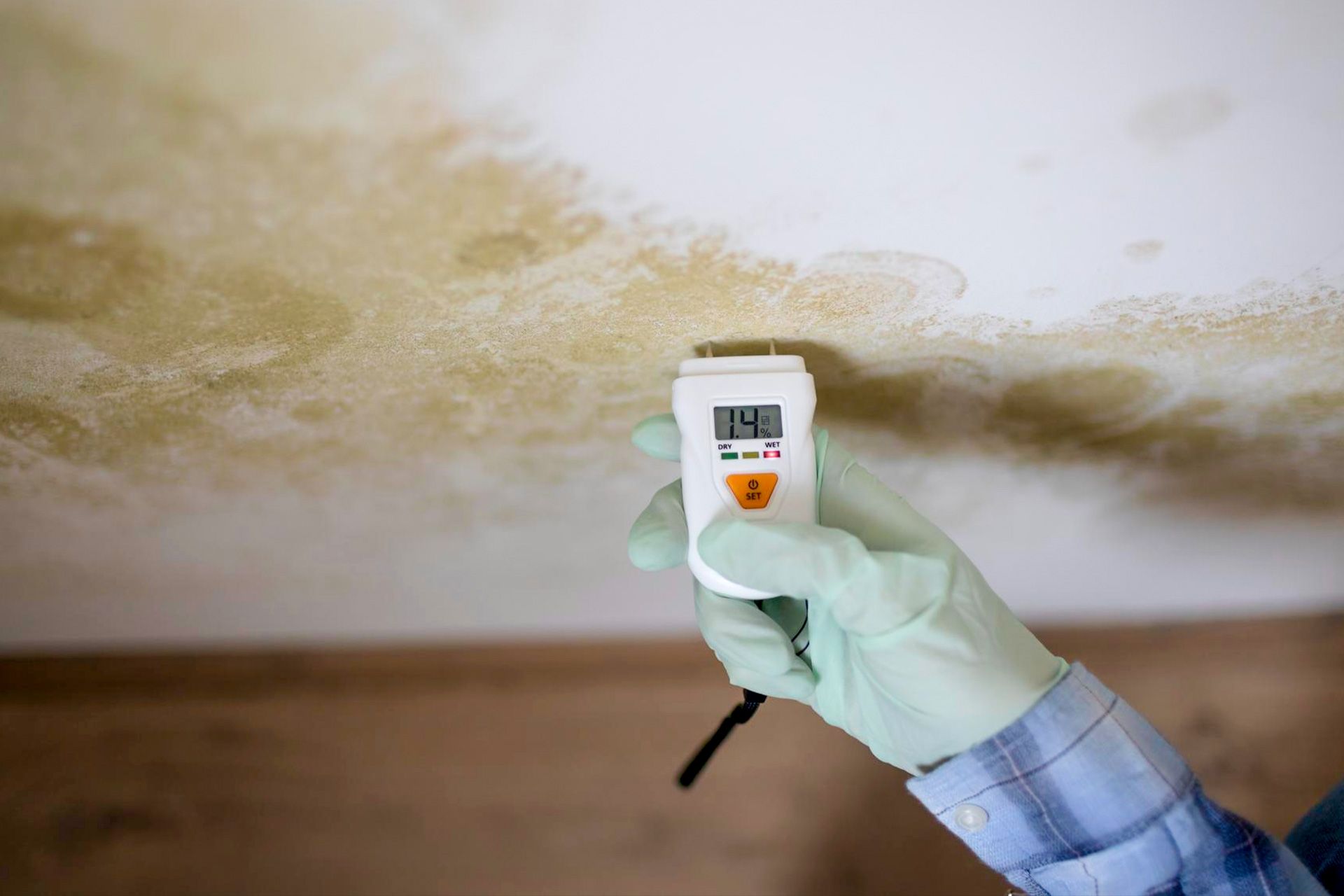
Unlike a plumbing leak, radon does not leave a stain. Unlike mold, it does not create visible growth or a musty odor. You cannot judge its concentration by how fresh the indoor air feels.
Long-term exposure to elevated radon increases the risk of lung cancer. Radon does not cause a distinct set of immediate symptoms that homeowners can use to recognize exposure.
This makes testing important even when everyone in the household feels healthy.
Common Home Conditions That May Allow Radon Entry
Although there are no reliable physical signs of radon gas in a house, certain features can create pathways for soil gas to enter. These conditions do not prove that radon is present, but they help explain why different homes may have different readings.
Foundation Cracks and Openings
Radon may enter through cracks in concrete floors, foundation walls, construction joints, and gaps around utility lines.
Even small openings can provide a pathway for soil gas. However, a foundation without visible cracks is not automatically protected. Radon can also move through openings that are difficult to see.
Basements and Crawl Spaces
Basements and crawl spaces have direct contact with the ground, making them important areas to consider during testing.
A finished basement may look clean and dry, yet radon can enter through a floor joint, sump opening, or foundation gap. Homes without basements can also have elevated levels because radon may enter through slabs and other ground-level openings.
Gaps Around Plumbing and Utilities
Pipes, cables, and other utility lines often pass through foundation walls or floors. Small spaces around these openings may allow soil gas to move indoors.
Check whether visible openings need maintenance, but remember that sealing a few gaps does not confirm that radon levels are acceptable.
Why Michigan Homeowners Should Pay Attention
Radon is relevant to homeowners throughout Michigan because it comes from natural soil and geological conditions. Its concentration can vary between communities and even between nearby properties.
Homeowners should not assume every house in the same neighborhood has the same reading. Foundation design, soil conditions, airflow, and building changes can affect how radon enters and accumulates.
The following situations are worth considering:
- An untested basement: If you regularly use a basement as a bedroom, office, recreation room, or living area, knowing the radon level can help you make informed decisions about that space.
- A home with an unknown testing history: If you have lived in the property for years but cannot locate previous results, arranging a new test can establish useful information.
- A neighboring property with elevated results: Nearby test results may give you a reason to check your own home, but they cannot predict your exact concentration.
- Recent foundation or ventilation changes: Renovations and building changes may affect airflow or pathways between the home and the soil.
These factors are reasons to consider testing, not evidence that a particular home has elevated radon.
Can Older and Newer Homes Both Have Radon?
Yes. A home's age does not determine whether it has a radon problem.
Older buildings may have foundation cracks, gaps around utilities, or changes from past renovations. These features can provide pathways for soil gas.
Newer homes may have better sealing and energy-efficient construction, but they are not automatically radon-free. A tightly sealed building can still allow radon to enter and accumulate.
A modern foundation, new windows, finished basement, or recently replaced HVAC system cannot replace a measured result.
For homeowners buying a newly constructed property, testing provides information you can't confirm through appearance or construction age alone.
How Weather and Seasonal Changes Can Affect Radon
Radon readings can change over time. Weather, pressure differences, heating patterns, and ventilation may affect how soil gas moves into a building.
During the colder Michigan months, homeowners often keep windows closed and run heating systems for extended periods. These conditions may influence indoor airflow and radon concentrations.
However, winter does not guarantee that a home will test higher than it does during summer. Actual readings depend on several interacting conditions.
A single short-term result measures the conditions during that testing period. Don't treat it as proof that the concentration stays the same year-round.
If your home's ventilation, foundation, or living arrangement changes, discuss whether another test is appropriate to keep useful records. Read our guide to how radon affects homes in Michigan.
Official Radon Gas Levels: EPA Guidelines for Homeowners
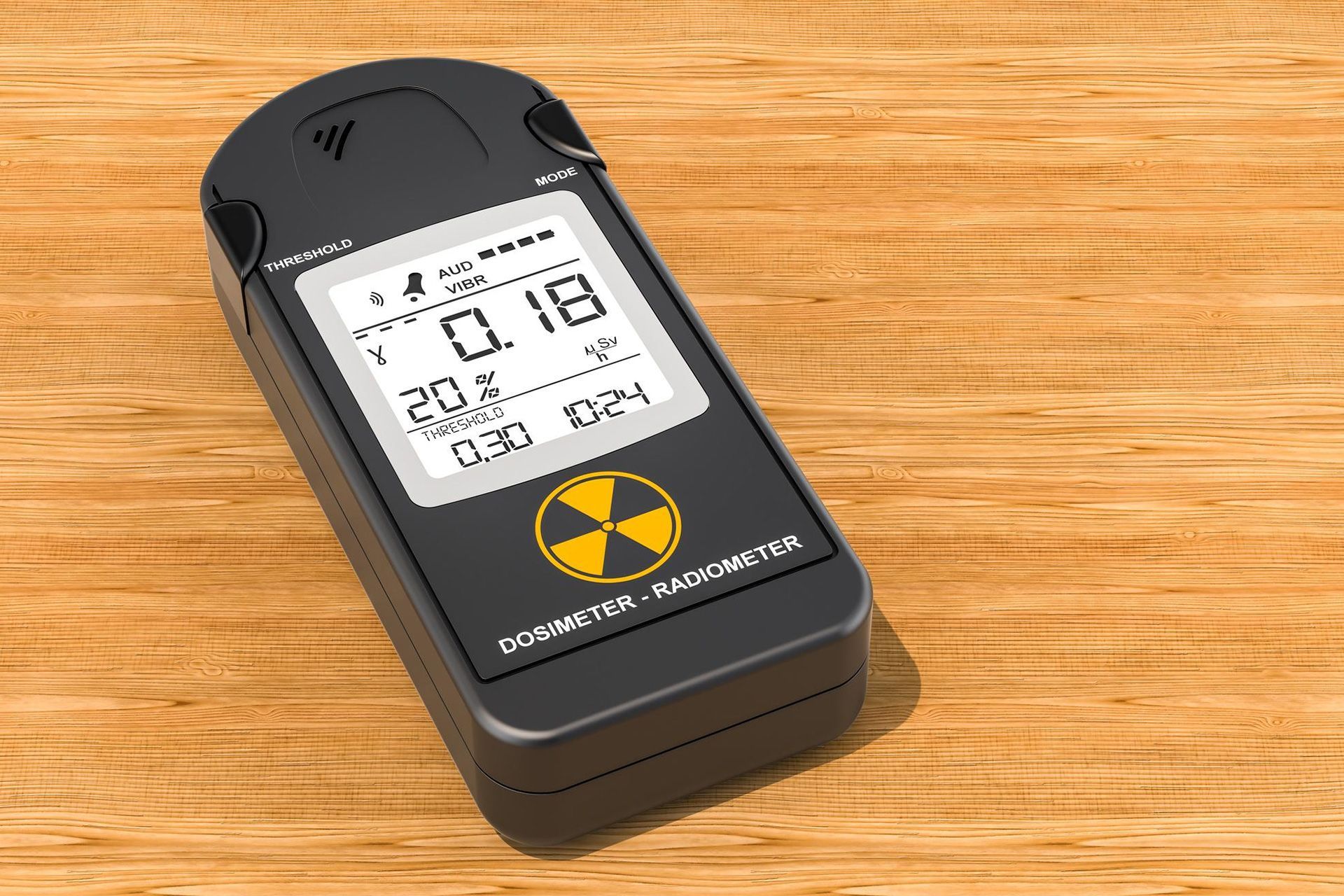
The U.S. Environmental Protection Agency (EPA) provides recommended action levels to help homeowners understand their radon test results. Radon is measured in picocuries per liter of air (pCi/L). Michigan follows the EPA's guideline of 4.0 pCi/L or higher as the level at which homeowners should take action to reduce radon.
Important: There is no known completely safe level of radon exposure. Even if your result is below 4.0 pCi/L, lower levels are preferable because long-term exposure still carries some risk. Michigan homeowners should keep their test reports and arrange follow-up testing when appropriate.
What to Do When a Test Shows Elevated Radon
An elevated result deserves attention, but it does not mean the home cannot be used or that
the problem is impossible to address.
Start by reviewing the report and following the testing professional's recommendations. Depending on the result and test method, further testing or mitigation may be appropriate.
A qualified radon mitigation professional can evaluate the property and recommend a suitable system. These systems typically collect soil gas beneath the building and vent it outdoors.
After installation, follow-up testing is important to determine whether the system has reduced indoor concentrations.
Keep testing reports, installation records, and maintenance information together. They can help with future property decisions and ongoing system care.
Radon Awareness for Everyday Homeownership
Radon awareness should be part of routine property care, not something homeowners consider only during a sale.
Keep previous reports accessible, determine whether the home has a mitigation system, and ensure household members understand how to prepare the home for a radon test, including why they should not disturb the equipment
If you move bedrooms or living areas into a basement, consider how that change affects where people spend time. When purchasing another property, request its own results rather than relying on your current home's testing history.
These simple habits help make radon testing a practical part of long-term homeownership.
Conclusion
Radon does not create visible stains, unusual odors, or immediate symptoms that identify its presence. Foundation cracks, basements, utility openings, and nearby test results can help explain possible entry routes, but none can confirm the concentration inside your home.
Elevate Inspection Group provides radon testing services for homeowners, buyers, and sellers across Michigan. Our team helps you understand the testing process and results so you can make informed decisions about your property.
Contact Elevate Inspection Group today to schedule your radon test.
FAQs
Can I smell radon gas inside my home?
No. Radon has no smell, color, or taste, so homeowners cannot detect it through their senses. A test is needed to measure its concentration.
Does having a basement automatically mean a home has high radon levels?
No. A basement creates potential entry pathways, but the actual level depends on soil conditions, building features, and other factors. Homes without basements can also have elevated readings.
Can my neighbor's radon test tell me whether my home is safe?
No. Nearby properties can have different concentrations, even when they look similar. Your home needs its own test.
Can a radon mitigation system stop working?
A system can develop problems or become less effective over time. Follow the installer's maintenance instructions and schedule periodic tests to verify its performance.
Can radon cause headaches or breathing problems immediately?
Radon does not cause recognizable immediate symptoms that can be used to diagnose exposure. Persistent or concerning symptoms should be discussed with a healthcare professional rather than attributed to radon without medical evaluation.
Disclaimer: The information on this website and blog is for general informational purposes only and is not professional advice. We make no guarantees of accuracy or completeness. We disclaim all liability for errors, omissions, or reliance on this content. Always consult a qualified professional for specific guidance.
Search
Recent Post