Termites in Michigan: What Homeowners Need to Know
Many homeowners are surprised to learn that termites in Michigan are a real concern. People often think termites are only a problem in warm southern states, but that is not true.
Michigan homes can also face termite activity, especially in areas where moisture, wood, soil contact, and aging structures create the right conditions.
Termites are small insects that feed on cellulose, which is found in wood and other plant-based materials. The biggest problem is that they often work quietly. A home may look normal on the outside while termites are damaging wood behind walls, under floors, near foundations, or in crawl spaces.
For homeowners, the key is early detection. The sooner termite activity is found, the easier it is to understand the issue and take the right next step.
What Are Termites?
Termites are insects that live in colonies and feed on cellulose. In homes, they are most often a concern because they can damage wood and other building materials over time.
Termites may affect:
- Floor joists
- Sill plates
- Wall framing
- Subfloors
- Beams
- Baseboards
- Door frames
- Window frames
- Decks
- Porch supports
- Wood trim
Termites do not usually make noise or appear in the open like many common household pests. They often travel through soil, mud tubes, or hidden wood areas. This makes them hard to spot without a careful inspection.
What Is A Termite Inspection?
A termite inspection is a visual review of accessible areas of a home to look for signs of termite activity, wood damage, and conditions that may attract termites.
During the inspection, an inspector may look for:
- Mud tubes
- Soft or damaged wood
- Hollow-sounding wood
- Discarded wings
- Wood touching soil
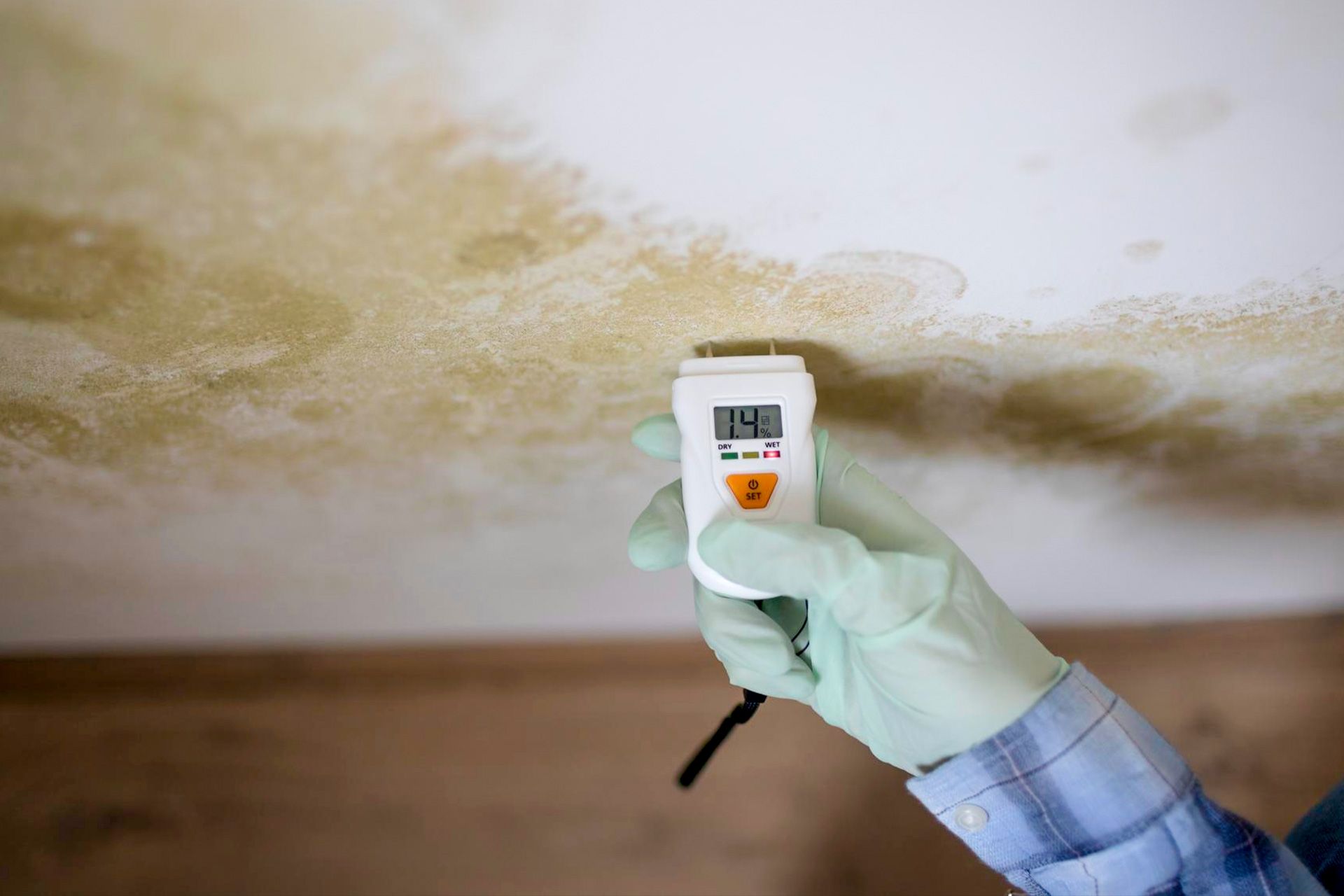
- Moisture damaged wood
- Foundation cracks
- Crawl space moisture
- Basement dampness
- Signs of past treatment
- Areas where pests may enter
A termite inspection does not mean every hidden wall or sealed space can be checked. It is a visual inspection of accessible areas. But it can reveal important clues that homeowners and buyers should not ignore.
Are There Termites in Michigan?
Yes, there are termites in Michigan, and homeowners should take them seriously. The most common type associated with structural damage in many parts of the country is the subterranean termite. These termites live in the soil and build mud tubes to travel between the ground and wood sources.
They are drawn to:
- Moisture
- Wood in contact with soil
- Foundation cracks
- Crawl spaces
- Basement areas
- Mulch near siding
- Wood debris near the home
- Leaking pipes or poor drainage
The EPA notes that termites cause billions of dollars in structural damage each year, and property owners spend large amounts on treatment and prevention. That is why termite awareness matters for any homeowner, including those in Michigan.
Why Michigan Homes Can Attract Termites
Michigan homes can create conditions that termites like. Snow, rain, humidity, and freeze and thaw cycles can lead to moisture around foundations and basements. Older neighborhoods may also have mature trees, wood debris, aging materials, and older construction details.
Common risk factors include:
- Damp basements
- Crawl space moisture
- Poor grading near the foundation
- Downspouts draining too close to the home
- Firewood stored near the house
- Mulch placed against siding
- Wood decks touching soil
- Old tree stumps near the home
- Foundation cracks
- Leaky plumbing
Termites need moisture to survive. When wood and moisture are close together, the risk increases.
Common Signs Of Termite Activity
Termites can be hard to spot because much of their work happens inside wood or underground. Still, there are warning signs homeowners can watch for.
Common signs include:
- Mud tubes on foundation walls
- Hollow-sounding wood
- Soft or damaged wood
- Bubbling or blistering paint
- Small piles of wings near windows or doors
- Sagging floors
- Tight-fitting doors or windows
- Wood that breaks apart easily
- Damage near baseboards or trim
- Moisture problems in crawl spaces or basements
The competitor source notes that mud tubes are one of the most common warning signs. These pencil-sized tunnels help subterranean termites move between soil and wood while staying protected.
What Do Mud Tubes Look Like?
Mud tubes are small, tunnel-like paths made from soil, wood particles, and termite saliva. They are often found where the ground meets the structure.
You may see them:
- On foundation walls
- In crawl spaces
- Along basement walls
- Near support posts
- Around cracks
- Behind stored items
- Near wood framing
- Around porch or deck areas
Mud tubes can look like thin brown lines or raised trails. If you see them, do not ignore them. They may be active or old, but either way, they should be evaluated.
Why Termites Are Easy To Miss
Termites are not like ants walking across a kitchen counter. They often stay hidden. By the time a homeowner sees damage, the problem may have been present for some time.
They can be missed because:
- They work behind finished walls
- They travel through soil and hidden spaces
- They damage wood from the inside
- Early signs can look minor
- Damage may be covered by paint or flooring
- Crawl spaces and basements are often not checked often
This is why termite inspections matter. A trained inspector knows where warning signs are more likely to appear.
Areas Of The Home Inspectors Check
During a pest or termite inspection, the inspector looks for visible evidence of wood-destroying insects and conditions that may attract them.
Common areas checked include:
- Foundation walls
- Basement framing
- Crawl spaces
- Floor joists
- Sill plates
- Support posts
- Deck connections
- Porch framing
- Garage areas
- Exterior wood trim
- Window and door frames
- Attic areas when accessible
- Areas near plumbing leaks
- Wood close to soil
A visual inspection cannot see through walls, but it can reveal clues that need attention.
Termites Vs Carpenter Ants
Homeowners sometimes confuse termites with carpenter ants. Both can affect wood, but they are different pests.
Here is the simple difference:
- Termites eat wood.
- Carpenter ants remove wood to create tunnels.
- Termites often need soil and moisture.
- Carpenter ants are often linked to damp or damaged wood.
- Termite damage may look muddy or layered.
- Carpenter ants may leave sawdust like material behind.
If you are not sure which pest you are seeing, it is best to have the area checked by a qualified professional.
When Should Homeowners Be Concerned?
You should take termite signs seriously when you see activity near the home or notice changes in wood, flooring, or trim.
Call for an inspection if you notice:
- Mud tubes
- Discarded wings
- Soft wood
- Water damaged wood
- Repeated moisture issues
- Basement or crawl space dampness
- Wood touching soil
- Old stumps close to the home
- Sagging or uneven floors
- Damage around doors or windows
Even if the issue turns out not to be termites, these signs may still point to moisture or structural concerns.
Can Termites Damage A Home?
Yes. Termites can damage wood framing, flooring, trim, support members, and other cellulose-based materials. The damage may happen slowly, but it can become serious if ignored.
Termite damage may affect:
- Floor joists
- Sill plates
- Wall framing
- Subfloors
- Beams
- Door frames
- Window frames
- Baseboards
- Deck framing
- Porch supports
The EPA warns that termites are a major cause of structural damage and encourages homeowners to focus on identification, prevention, and proper treatment.
How To Reduce Termite Risk
You cannot always prevent every pest problem, but you can reduce the conditions that attract termites.
Helpful steps include:
- Keep soil away from wood siding
- Fix plumbing leaks quickly
- Improve drainage around the foundation
- Extend downspouts away from the home
- Avoid stacking firewood against the house
- Remove old stumps and wood debris
- Keep mulch below siding level
- Ventilate crawl spaces properly
- Repair damaged exterior wood
- Seal cracks where possible
- Keep gutters clean
- Schedule inspections when warning signs appear
Moisture control is one of the most important steps. Termites are more likely to thrive where wood stays damp.
Do Home Buyers Need A Termite Inspection?
A termite inspection can be helpful for buyers, especially when the home is older, has a basement or crawl space, or shows signs of moisture.
Buyers should consider one when:
- The home has wood framing near soil
- The area has known termite activity
- The home has moisture concerns
- There are old trees or stumps nearby
- The property has a deck or porch
- The basement has visible wood framing
- The seller mentions past pest treatment
- The home has damaged trim or soft wood
Some lenders or loan types may also require a pest or termite inspection depending on the property and location. Requirements can vary, so buyers should check with their lender and real estate professional.
Why A Regular Home Inspection Helps
A standard home inspection is not the same as pest treatment, but it can help identify visible concerns that may need further review.
During a home inspection, visible clues may include:
- Damaged wood
- Moisture stains
- Crawl space problems
- Basement wood damage
- Poor grading
- Wood to soil contact
- Foundation cracks
- Signs of past repairs
If an inspector sees possible termite evidence, they may recommend a pest or termite specialist for further evaluation.
Conclusion
Termites in Michigan are something homeowners should understand, not ignore. These insects can stay hidden while damaging wood, framing, and other parts of a home. The good news is that early signs, moisture control, and regular inspections can help reduce risk.
Homeowners should watch for mud tubes, soft wood, discarded wings, moisture problems, and damaged framing. Buyers should also consider termite concerns when reviewing older homes, homes with crawl spaces, or properties with visible wood damage.
If you are buying or maintaining a home in Michigan, Elevate Inspection Group can help. Our team provides thorough pest and termite inspection services to help identify visible concerns early and give you clear information about the property.
FAQs
Are There Termites In Michigan?
Yes. Termites can be found in Michigan, especially where moisture and wood contact create the right conditions for activity.
What Type Of Termites Are Common In Michigan?
Subterranean termites are the type most often connected with structural damage. They live in soil and build mud tubes to reach wood.
What Are The First Signs Of Termites?
Early signs may include mud tubes, discarded wings, soft wood, hollow sounding wood, bubbling paint, or damage near trim and baseboards.
Do Michigan Termites Damage Homes?
Yes. They can damage wood framing, floor joists, sill plates, subfloors, trim, decks, and other wood based materials.
How Can I Reduce Termite Risk?
Control moisture, fix leaks, improve drainage, avoid wood to soil contact, keep firewood away from the home, and remove wood debris near the foundation.
Should I Get A Termite Inspection Before Buying A Home?
It is a smart step if the home is older, has moisture issues, has a crawl space, has wood damage, or is in an area with known termite activity.
Is Termite Damage Always Easy To See?
No. Termites often damage wood from the inside or in hidden areas. That is why inspections are helpful when signs or risk factors are present.
Disclaimer: The information on this website and blog is for general informational purposes only and is not professional advice. We make no guarantees of accuracy or completeness. We disclaim all liability for errors, omissions, or reliance on this content. Always consult a qualified professional for specific guidance.
Search
Recent Post