Should You Get A Radon Test When Buying A Home?
Yes. A radon test can give buyers important information before they commit to a home purchase. It measures indoor radon levels, which a walkthrough or visual inspection cannot determine. The results can help you decide whether you need further action and what to discuss with the seller before your inspection deadline.
The buying process can move quickly. Between financing, paperwork, and moving plans, it is easy to accept an old report or assume an existing mitigation system settles the question. A better approach is to review the available evidence, identify what remains uncertain, and resolve those questions while you still have time.
Is Radon Inspection Necessary When Buying a Home?
Radon testing is a sensible part of home-buying due diligence. A standard visual inspection doesn't measure indoor radon, and a well-maintained appearance can't determine the level. Buyers looking for signs of radon gas in a house should understand that visible conditions cannot confirm its presence or concentration; testing is needed to measure the indoor level.
You do not need to become a radon specialist. You need reliable property information and enough time to understand it. Whether you request a new test may depend on the seller’s records, previous testing conditions, changes to the home, and professional guidance.
What Should You Check in the Seller’s Radon Report?
A seller may provide a report showing the property was previously tested. That can be useful, but review the document rather than relying on a statement that the home “passed.”
Confirm the property address, test date, measurement location, reported result, and testing provider. Look for notes about testing conditions or limitations. Ask whether the report was produced before or after any mitigation work.
Consider whether anything important has changed since testing. Foundation work, basement finishing, ventilation changes, or an addition may make an earlier result less relevant.
Share the report with your testing professional. They can help you understand whether it provides useful evidence for your purchase or whether another measurement would answer remaining questions.
Does the Seller’s Test Cover the Space You Plan to Use?
Your plans for the home may differ from the seller’s current use.
Perhaps the seller rarely enters the basement, but you plan to use it as an office or family room. A report from an upper floor may not answer the question you have about that lower space.
Tell the testing professional which areas you expect to occupy regularly. Provide the previous report and ask whether its measurement location suits your intended use.
You do not need to choose a testing location yourself. The practical step is to explain your plans so the professional can determine appropriate placement under the applicable testing protocol.
What If the Seller Will Not Allow Testing?
A refusal creates an information gap. It does not prove that the home has elevated radon.
Start by asking your agent to clarify the concern. The seller may misunderstand the equipment, worry about access, or object to the proposed schedule. Explaining the appointment and making access arrangements may resolve the issue.
If permission remains unavailable, discuss your options with your agent or real estate attorney. Those options depend on the purchase agreement and where you are in the transaction.
Avoid assuming you can enter the property or place equipment without authorization. Ask that any agreement about testing access be documented clearly. For details about testing methods, placement, and interpreting results, read our complete guide to radon testing in home inspections.
What If Your Inspection Deadline Arrives Before the Results?
Your inspection contingency deadline and closing date serve different purposes. Having several weeks until closing does not necessarily mean you have several weeks to raise an inspection concern.
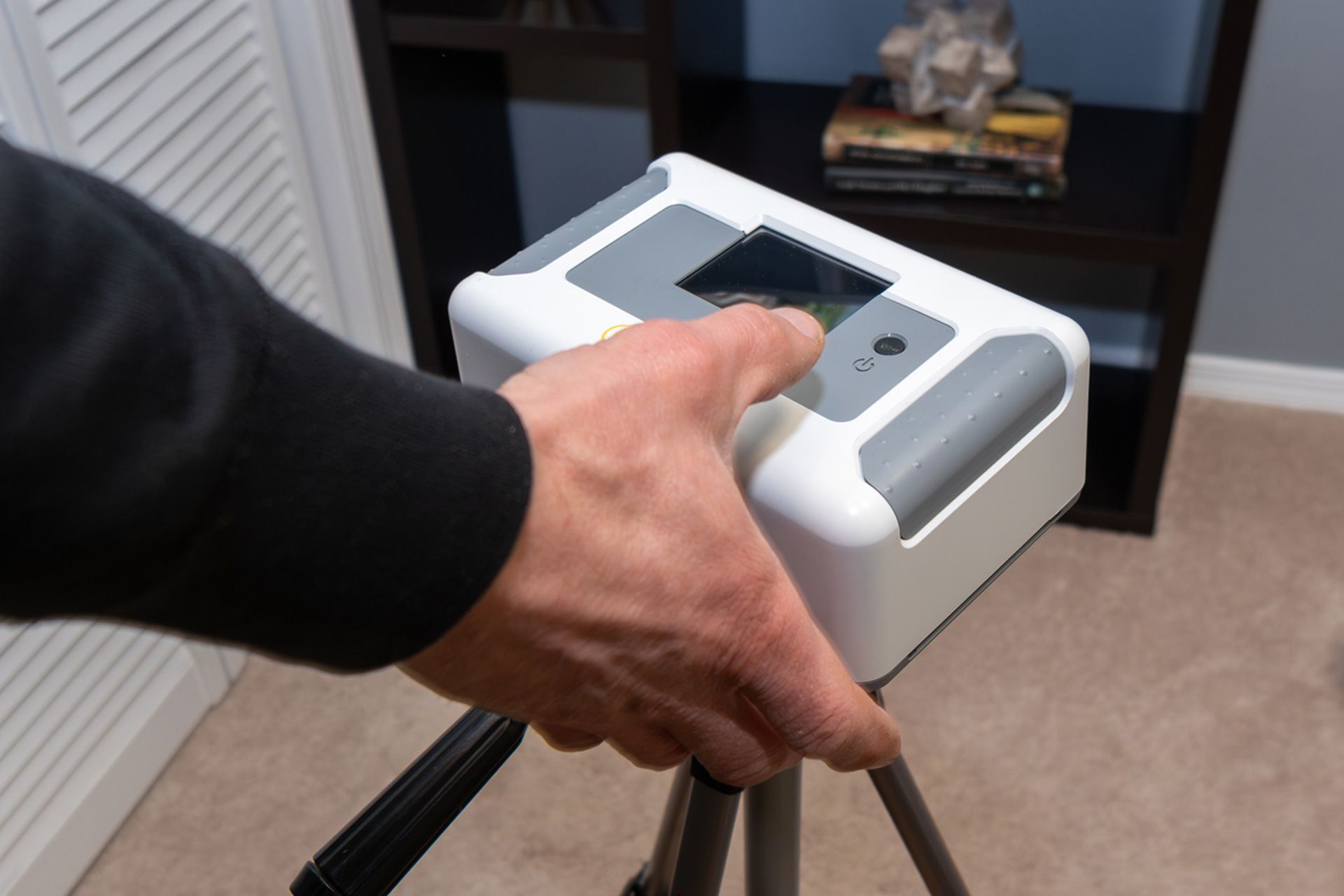
Before scheduling, confirm when equipment can be placed, when it can be collected, and when the report is expected. Share your deadline with the testing company. Ask your agent to coordinate with the seller to prepare the home for a radon test so everyone understands the testing instructions before the equipment is placed.
If results may arrive late, speak with your agent promptly. You may be able to request a written extension or another arrangement, but the seller is not automatically required to agree.
Do not assume that a verbal conversation changes the contract. Resolve timing questions before the deadline whenever possible.
Buying a Home With a Mitigation System
An existing mitigation system is useful information, but its presence alone does not establish the current indoor radon level.
Ask for installation records, previous test results, service history, and available warranty information. Find out whether any coverage transfers to a new owner and whether the system has been repaired or modified.
Review when the home was last tested after installation. A fan that appears to operate is not a substitute for measuring indoor radon.
Also ask who you should contact for future service. Keeping the installer’s details and system documents together can make ownership easier after the transaction.
Seller Repairs or a Buyer Credit
If mitigation is recommended, buyers and sellers may discuss completing the work before closing or making another arrangement. Neither option is automatically the best choice for every transaction.
Work before closing may allow installation and verification while the seller still owns the property. However, scheduling, access, contractor availability, and the time needed for follow-up testing can affect that plan.
A credit may give the buyer more involvement in arranging work afterward. Its availability and structure depend on the agreement and any lender requirements. It also leaves the buyer responsible for coordinating the next steps.
Compare the practical responsibilities, not just the convenience. Ask who selects the contractor, who approves the scope, and how completion will be verified.
What Should Be Documented if Mitigation Is Agreed Upon?
A general promise to “take care of the radon” leaves room for different expectations.
Have your agent or attorney help document who arranges the work, what will be completed, and when it must happen. The agreement should address contractor qualifications, required paperwork, and who is responsible for verification testing.
Discuss what happens if installation is delayed or follow-up results require additional attention. These questions are easier to address before work begins.
Keep copies of the written agreement, installation documents, invoices, and subsequent reports. Together, they provide a clearer record than a brief message saying the system has been installed.
Arrange Verification After the Seller Completes Work
Clarify responsibility for verification when the work is negotiated.
An installation invoice confirms that a service was billed. It does not establish the indoor radon concentration afterward. Follow-up testing provides evidence about the result.
Ask who will schedule that testing, who will receive the report, and whether there is enough time to review it before the relevant deadline. Discuss the testing provider and appropriate timing with a qualified radon professional.
If results need further attention, refer to the written agreement and speak with your agent or attorney. Avoid treating an unfinished verification step as a minor paperwork issue.
Questions to Resolve Before Your Inspection Contingency Deadline
Before agreeing to move beyond your inspection contingency, check whether you have the information you intended to obtain.
Use these questions to organize the discussion:
- Have the results arrived? Confirm that you have the written report and understand any limitations.
- Are recommendations clear? Ask what additional testing, mitigation, or professional review may be appropriate.
- Are agreements documented? Make sure responsibilities and deadlines are addressed in writing.
- Is follow-up outstanding? Identify unfinished work, missing records, or verification that has not occurred.
Your inspector explains findings. Your agent or attorney helps you understand how those findings relate to the transaction. Keep both conversations moving before the deadline.
Testing Radon is Part of an Informed Purchase
Testing matters because it gives you information while you can still use it. Review a seller’s report, an existing system, or a promise to complete work for what each one actually establishes.
Elevate Inspection Group helps buyers in Macomb, Oakland, Washtenaw, and Wayne counties understand property findings through clear reporting and practical explanations.
Contact our team to arrange professional radon testing and share your inspection deadline when scheduling.
FAQs
Should I accept the seller’s radon report without another test?
Review its date, location, conditions, and relationship to any property changes. Share it with a testing professional before deciding whether it answers your questions.
What if the seller refuses testing?
Ask your agent to discuss access and clarify the seller’s concern. If permission remains unavailable, review your contractual options with your agent or attorney.
Can I request more time if results are delayed?
You can ask for an extension. Whether it is granted depends on the agreement and negotiations. Address the request before your deadline expires.
Does a mitigation invoice prove the issue has been addressed?
It documents installation or service. Follow-up testing is needed to assess the resulting indoor level.
What should be resolved before my contingency expires?
Understand the available results, outstanding recommendations, agreed responsibilities, and remaining work. Ask your agent or attorney how unresolved items affect your purchase agreement.
Disclaimer: The information on this website and blog is for general informational purposes only and is not professional advice. We make no guarantees of accuracy or completeness. We disclaim all liability for errors, omissions, or reliance on this content. Always consult a qualified professional for specific guidance.
Search
Recent Post