How Radon Affects Homes in Michigan and What You Can Do About It
Many homeowners are surprised to learn that one of the biggest indoor air quality concerns cannot be seen, smelled, or tasted. Radon is a naturally occurring radioactive gas that can enter homes through the ground and build up indoors over time. Because it is invisible, many families are unaware of its presence until professional testing is performed.
Michigan is one of the states where radon can be found in homes across many regions. Whether your home is newly built or decades old, testing is an important step in understanding your indoor environment.
In this guide, you will learn how radon enters homes, why it matters, and what homeowners can do to reduce potential risks through professional Radon testing services in Michigan.
Radon testing can be scheduled as part of a home inspection or as a standalone service for homeowners who want to evaluate their indoor air quality.
What Is Radon Gas?
Radon is a radioactive gas that forms naturally when uranium breaks down in soil, rock, and groundwater. As the gas rises through the ground, it can enter homes through small openings in the foundation.
Common entry points include:
- Foundation cracks
- Gaps around plumbing pipes
- Sump pump openings
- Crawl spaces
- Construction joints
Since radon has no odor, color, or taste, testing is the only reliable way to determine whether elevated levels are present.
Why Michigan Homes Are at Risk
Michigan's geology contains naturally occurring uranium deposits that can produce radon gas. Combined with seasonal weather changes and the large number of homes with basements, these factors create conditions in which radon may accumulate indoors.
Radon levels can vary from one neighborhood to another and even between neighboring homes. Two homes built side by side can have very different radon readings.
Because of this, a radon test is recommended regardless of the property's age or appearance.
How Radon Gets Inside a Home
Radon enters homes from the soil beneath the foundation. As warm indoor air rises, the home creates a slight vacuum that draws gases from the ground into the building.
The gas may enter through:
- Foundation cracks
- Basement floors
- Utility pipe openings
- Expansion joints
- Crawl spaces
Once inside, radon can become trapped, especially in tightly sealed homes. This is why radon testing is valuable for both new and existing properties.
Why Radon Testing Matters
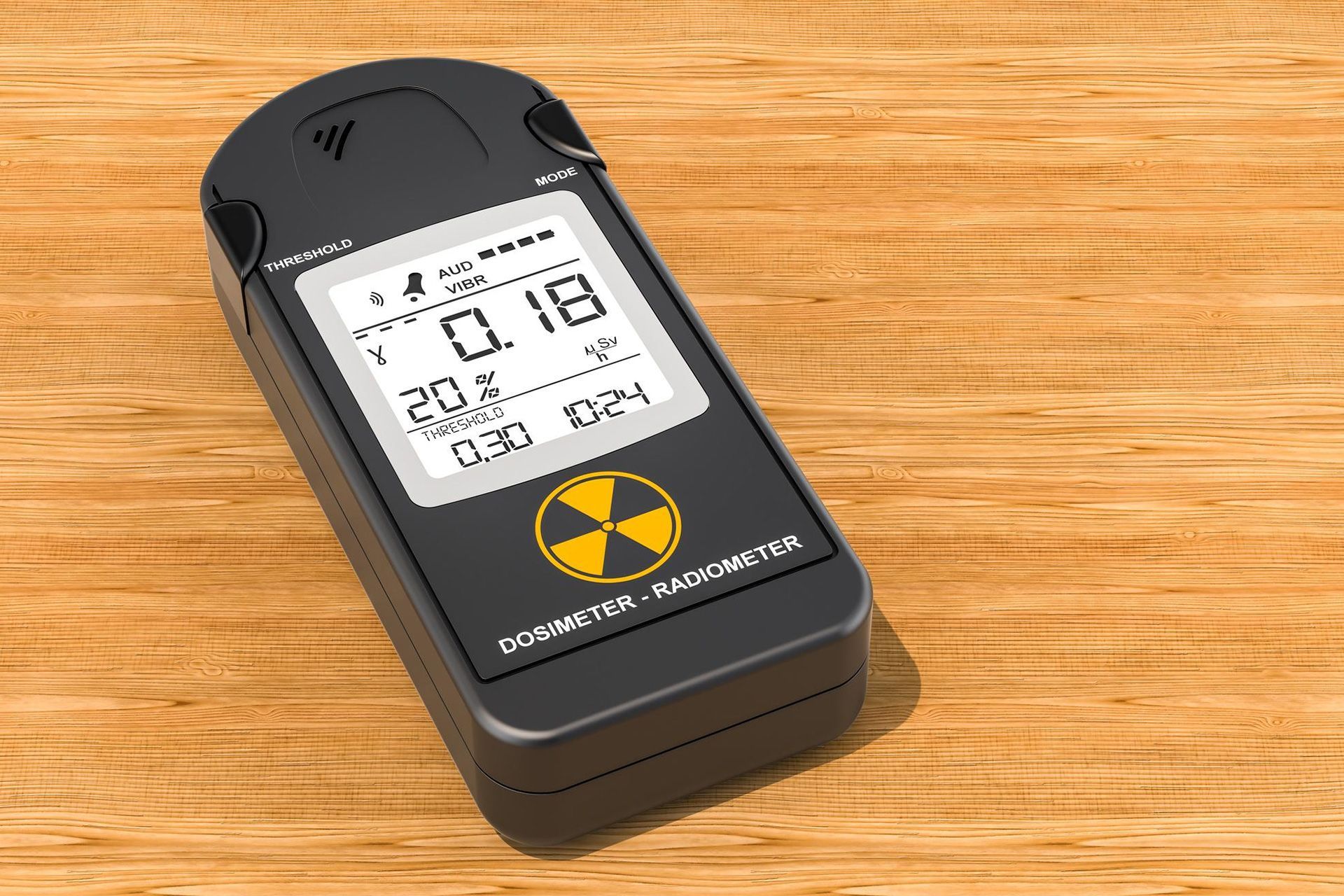
Many homeowners assume that if there are no visible signs of a problem, the indoor air is safe. Unfortunately, radon cannot be detected without specialized equipment.
Professional testing helps homeowners:
- Measure indoor radon levels
- Understand potential health risks
- Make informed decisions
- Determine whether mitigation should be considered
Scheduling radon testing is one of the simplest ways to gain confidence in your home's indoor air quality.
Common Myths About Radon
Myth 1: Only Older Homes Have Radon
False.
Radon can affect homes of any age. New-construction homes can also have elevated radon levels, depending on soil conditions and building design.
Myth 2: If My Neighbor's Home Tested Low, Mine Is Safe
False.
Every home is different. Foundation design, ventilation, and construction methods all influence radon levels. A separate radon inspection is recommended for each property.
Myth 3: Radon Only Exists in Basements
False.
Although radon often enters through basements, it can spread throughout the entire home over time.
What Happens During a Radon Test?
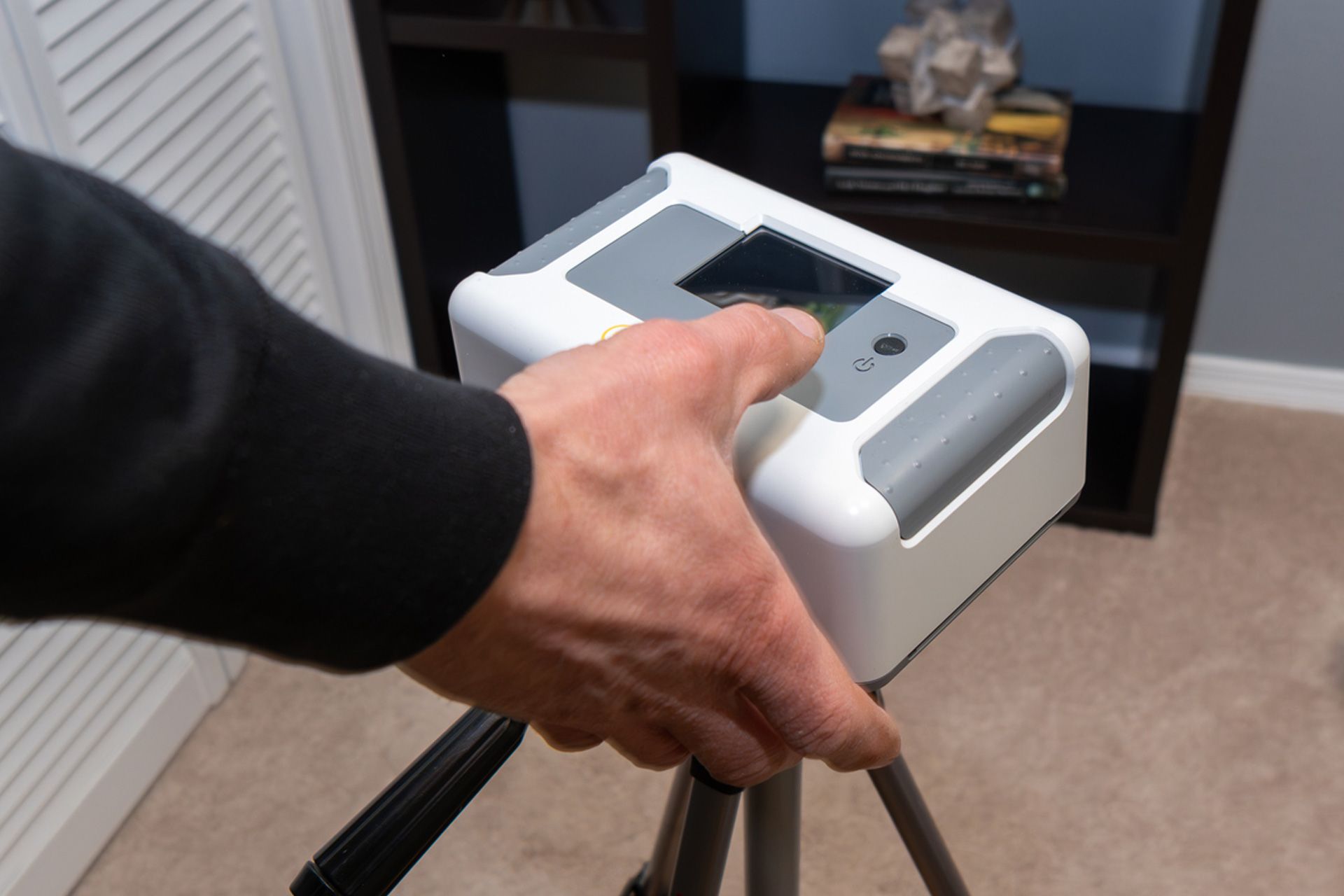
Professional radon inspections are straightforward and require very little disruption. The inspector places specialized testing equipment in the lowest regularly occupied level of the home.
During the testing period, homeowners may be asked to:
- Keep windows closed
- Limit exterior door openings
- Avoid changing the normal heating or cooling operation
After the monitoring period is complete, the inspector reviews the results and prepares a report.
A Trusted Radon Testing company in Michigan ensures testing follows accepted industry standards.
When Should You Test Your Home?
There are several situations when testing is especially important.
Before Buying a Home
Many buyers include radon testing during the inspection period to better understand the property's condition.
Before Selling
Sellers may choose to test their home before listing it to provide buyers with additional information.
After Major Renovations
Changes to the home's foundation or ventilation can affect radon levels.
Every Few Years
Environmental conditions can change over time, making periodic testing a smart part of routine home maintenance.
A professional radon test helps homeowners monitor these changes over the years.
What Happens If Radon Levels Are High?
Finding elevated radon levels does not necessarily mean you should avoid purchasing or living in the home.
In many cases, mitigation systems can effectively reduce radon concentrations. Common mitigation methods include:
- Vent pipes
- Specialized fans
- Sealing certain foundation openings
- Sub slab depressurization systems
After installation, additional testing confirms that radon levels have been reduced.
Choosing a Qualified Radon Testing Michigan Company
Not all testing providers offer the same level of experience and reporting. When selecting a company, consider:
- Professional experience
- Proper testing equipment
- Clear reporting
- Knowledge of Michigan homes
- Strong communication
Choosing a trusted radon testing company helps ensure accurate testing procedures and dependable results.
Conclusion
Radon is a naturally occurring gas that can affect homes throughout Michigan, regardless of their age or location. Because it cannot be seen or smelled, professional testing is the only reliable way to determine whether elevated levels are present.
Scheduling Radon testing services in Michigan gives homeowners valuable information about indoor air quality and helps them make informed decisions about their property. Whether you are buying a home, preparing to sell, or simply maintaining your current residence, testing is an important step toward protecting your household.
At Elevate Inspection Group, we provide thorough radon inspections and clear reporting to help homeowners better understand their indoor environment. Our team is committed to delivering dependable inspection services that support informed property decisions.
Schedule your radon test today and gain confidence in your home's indoor air quality.
FAQs
Can new homes in Michigan have radon?
Yes. Both new and older homes can have elevated radon levels because the gas comes from the soil beneath the property.
How long does a radon inspection take?
Most professional tests monitor radon levels for at least 48 hours to provide reliable results.
Should every Michigan homeowner test for radon?
Testing is recommended for all homes because radon levels can vary significantly from one property to another.
Can high radon levels be reduced?
Yes. Professional mitigation systems can effectively lower indoor radon concentrations in many homes.
Why should I hire a certified radon testing company?
A certified radon testing company uses approved equipment and established testing procedures to provide accurate, dependable results.
Disclaimer: The information on this website and blog is for general informational purposes only and is not professional advice. We make no guarantees of accuracy or completeness. We disclaim all liability for errors, omissions, or reliance on this content. Always consult a qualified professional for specific guidance.
Search
Recent Post