Ways To Prepare Your Home for a Radon Test
Radon testing works best when the home is prepared correctly before the device is placed. Radon is not something you can see, smell, or taste, so the test needs stable indoor conditions to provide a useful reading. If windows are left open, fans pull outdoor air through the home, or the device is moved during the test, the results may not reflect normal indoor levels.
Good preparation doesn't have to be difficult. Most steps are simple, such as closing windows, keeping the testing device alone, and avoiding unusual airflow changes. This guide explains home preparation for radon testing in clear steps so homeowners, buyers, and sellers know what to do before the appointment.
Why Preparation Matters Before Testing
A radon test measures indoor radon levels over a set testing period. The goal is to understand what the home’s air is like under normal closed-house conditions. If the home is opened up too much or the testing device is placed in the wrong spot, the reading may be less reliable.
Proper preparation helps create a fair test environment. It also helps the inspector or testing professional complete the process without delays. If you are preparing for a real estate transaction, the details matter even more because buyers, sellers, agents, and inspectors may rely on the result when discussing next steps.
Homeowners often ask how to prepare for a radon test because they want to avoid mistakes that could affect the reading. The good news is that most preparation can be done the day before the test begins.
Learn the Basics Before the Test Begins
Before the test, take a little time to understand what the test measures. You don't need to study technical terms, but you should know that Radon can enter through cracks, joints, sump openings, and other gaps in the foundation, floors, and walls of the home.
Knowing the basics can also make the process less stressful. You will understand why the inspector may place the device in a lower area, why the home needs to stay closed, and why you should not touch the device.
Before testing, it also helps to understand how radon enters Michigan homes and why levels can vary between nearby properties. Learn more about how radon affects homes in Michigan and what steps homeowners can take when elevated levels are found.
One of the most useful tips before radon testing is to ask questions before the appointment. If you are unsure about windows, fans, pets, basement access, or test length, ask the testing provider before the device is set.
Keep the Home Closed Before and During the Test
Closed-house conditions are one of the most important parts of home preparation for radon testing. Close windows and doors 12 hours before the test, but you can still enter and exit as needed. Turn off fans that pull air into or out of the home, but normal heating and cooling can continue.
This does not mean you should seal the home in an unsafe or extreme way. You can still use doors for normal access. The goal is to avoid unusual ventilation that could lower or change the radon reading.
Helpful steps include:
- Close windows before testing: Keep windows closed before and during the test unless the testing professional gives different instructions.
- Use doors normally: Enter and exit when needed, but avoid leaving doors open for long periods.
- Avoid exhaust fans when possible: Fans that pull indoor air outside can affect airflow, so use them only when needed.
- Keep normal HVAC settings: Do not make unusual heating or cooling changes just for the test.
Choose the Right Location for the Testing Device
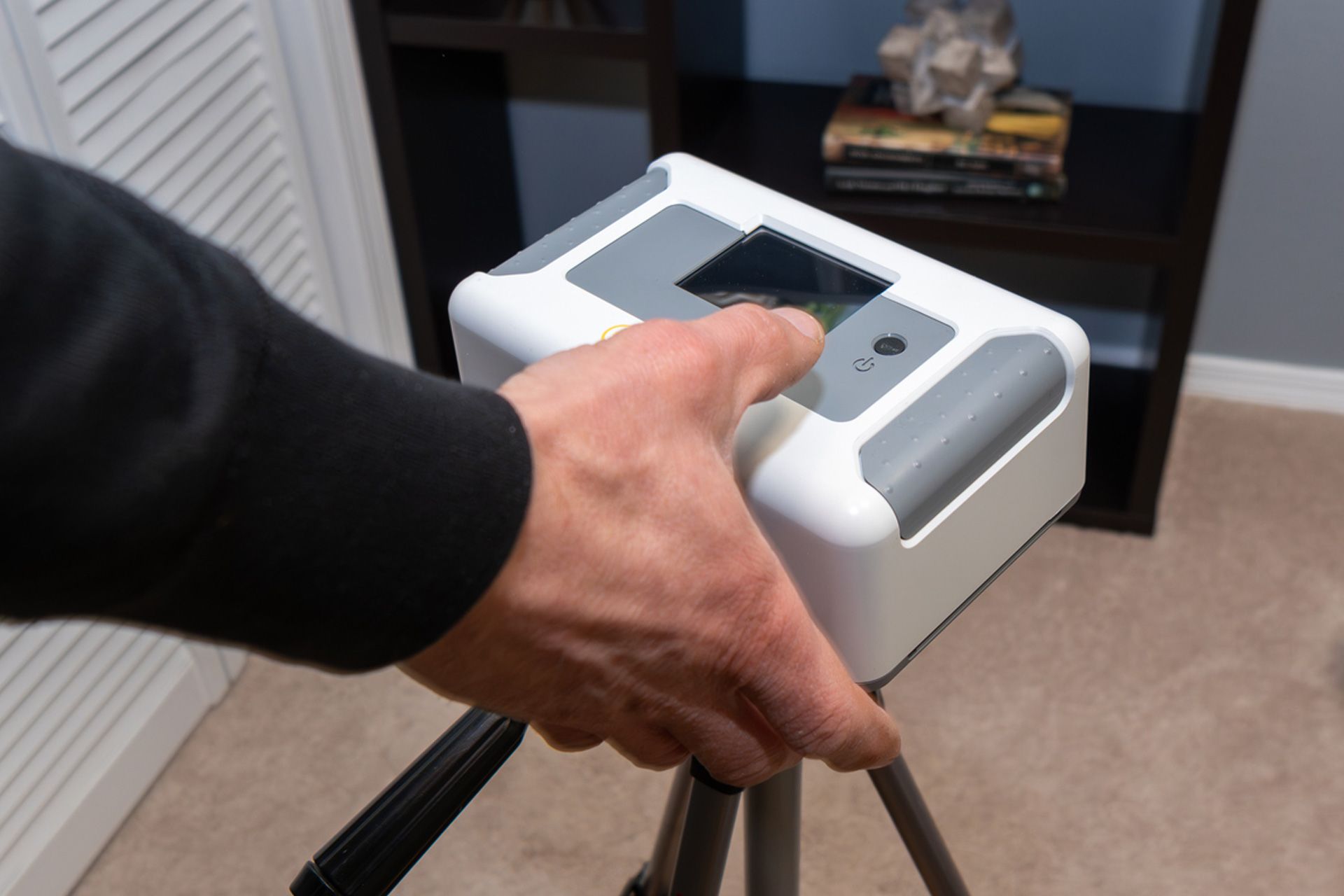
Device placement matters. The testing device is often placed in the basement, cellar, or lowest level of the home that could be used as living space. Do not place the detector in damp or overly humid areas; keep it about 20 inches above the floor.
A poor location may affect the reading. For example, placing the device near a window, exterior wall, direct sunlight, heat source, appliance, draft, or damp area can create conditions that do not represent the home’s normal indoor air.
The testing professional will usually choose the best location. Still, homeowners can help by making the lowest usable area easy to access before the appointment.
Do Not Move or Touch the Device
Once the device is placed, leave the device undisturbed. Moving it, covering it, bumping it, opening it, or placing objects near it can affect the test. Children, pets, visitors, and workers should know not to touch the device during testing.
This is one of the most important tips before radon testing because it is easy to overlook. A testing device may look simple, but it needs to remain stable to do its job. Pets and children should avoid the detector, and the home should remain sealed during the test period, which may last from two days to a week.
If the device is in a room you use often, consider limiting activity in that space until the test is complete.
Avoid Unusual Airflow During the Test
Airflow can affect radon readings. During the test, try to keep the home’s conditions normal and steady. Do not open windows to “air out” the home. Do not run whole-house fans, window fans, or ventilation equipment that is not part of normal daily use unless the testing professional says it is okay.
You should also avoid major work that changes airflow. For example, do not schedule large renovation work, duct cleaning, window replacement, or heavy basement work during the testing period. These activities may change indoor conditions and make the result less useful.
If weather becomes severe during the test, contact the testing provider and ask what to do.
Prepare the Home Before the Inspector Arrives
Preparing the home for inspection can make the appointment easier. Clear the area where the device may be placed, especially in the lowest usable level of the home. Make sure the inspector can access the basement, lower-level rooms, electrical areas, and any spaces needed for setup.
Before the appointment:
- Move furniture, storage boxes, or clutter away from likely testing areas.
- Keep pets secured so they don't disturb the device.
- Tell family members not to touch the testing equipment.
- Ask the inspector where the device should remain during the test.
- Follow any written instructions given by the testing provider.
These simple steps support better home preparation for radon testing and reduce the chance that the test has to be repeated.
Conclusion
Knowing how to prepare for a radon test can help make the process smoother and more reliable. Close windows before the test, keep normal indoor conditions, avoid unusual airflow, leave the device alone, and make sure the testing area is easy to access.
Elevate Inspection Group helps homeowners, buyers, and sellers understand the testing process and what the report means. Our team focuses on clear communication and practical guidance so you can make an informed next decision.
If you are buying, selling, or checking your current home, Elevate Inspection Group can help you schedule professional testing and understand the results clearly.
Contact us today to schedule radon testing.
FAQs
How long should windows stay closed before testing radon?
Windows should usually be closed before the test begins and remain closed during the testing period, except for normal entry and exit. Follow the instructions given by your testing professional.
Can I use heating or cooling during a radon test?
Yes, normal heating and cooling can usually continue. Avoid making unusual airflow changes, such as opening windows or using fans that pull air in or out of the home.
Where should the test device be placed?
Place the device on the lowest usable level of the home, away from drafts, sunlight, damp areas, windows, and heat sources. Your inspector will choose the proper location.
Can pets or children be near the test device?
They should stay away from the device so it is not moved, touched, covered, or knocked over.
Should I test before selling my home?
Yes, many sellers choose to test for radon before listing or during the buyer’s inspection process. It can provide useful information and help reduce uncertainty during the transaction.
Disclaimer: The information on this website and blog is for general informational purposes only and is not professional advice. We make no guarantees of accuracy or completeness. We disclaim all liability for errors, omissions, or reliance on this content. Always consult a qualified professional for specific guidance.
Search
Recent Post