How Often Do Buyers Back Out After a Home Inspection?
Buying a home is exciting, but it can also feel stressful. Once a buyer makes an offer, the home inspection is often the next big step. This is when buyers learn more about the real condition of the property.
So, how often do buyers back out after inspection?
There is no single number that applies to every market. Some sources estimate that a portion of home purchase agreements fall through after inspections, while others say many buyers use the inspection findings to negotiate instead of walking away. One industry source notes that inspection periods often last around 7 to 14 days, depending on the contract and location. Other real estate sources explain that buyers commonly have a set inspection contingency window where they can ask for repairs, renegotiate, or cancel if the agreement allows it.
The simple answer is this: most buyers do not back out just because a home inspection finds issues. Most homes have some defects. Buyers usually walk away when the issues feel too serious, too expensive, or too risky, or when the seller will not work with them.
Do Buyers Often Back Out After Inspection?
Buyers can back out after an inspection if their purchase agreement includes an inspection contingency. This gives them time to review the inspection report and decide what to do next.
After the inspection, buyers may choose to:
- Move forward with the purchase
- Ask the seller to make repairs
- Ask for a seller credit or other agreement
- Request more evaluation from specialists
- Renegotiate terms
- Cancel the contract if allowed by the contingency
In many cases, buyers do not want to cancel. They want clarity. A home inspection helps them understand what they are buying before they commit fully.
Why Buyers Back Out After A Home Inspection
Most buyers do not walk away over small issues. Loose handles, minor cracks, worn paint, or simple maintenance items are normal in many homes.
Buyers are more likely to back out when the inspection shows major concerns, such as:
- Structural problems
- Foundation movement
- Serious roof damage
- Active water intrusion
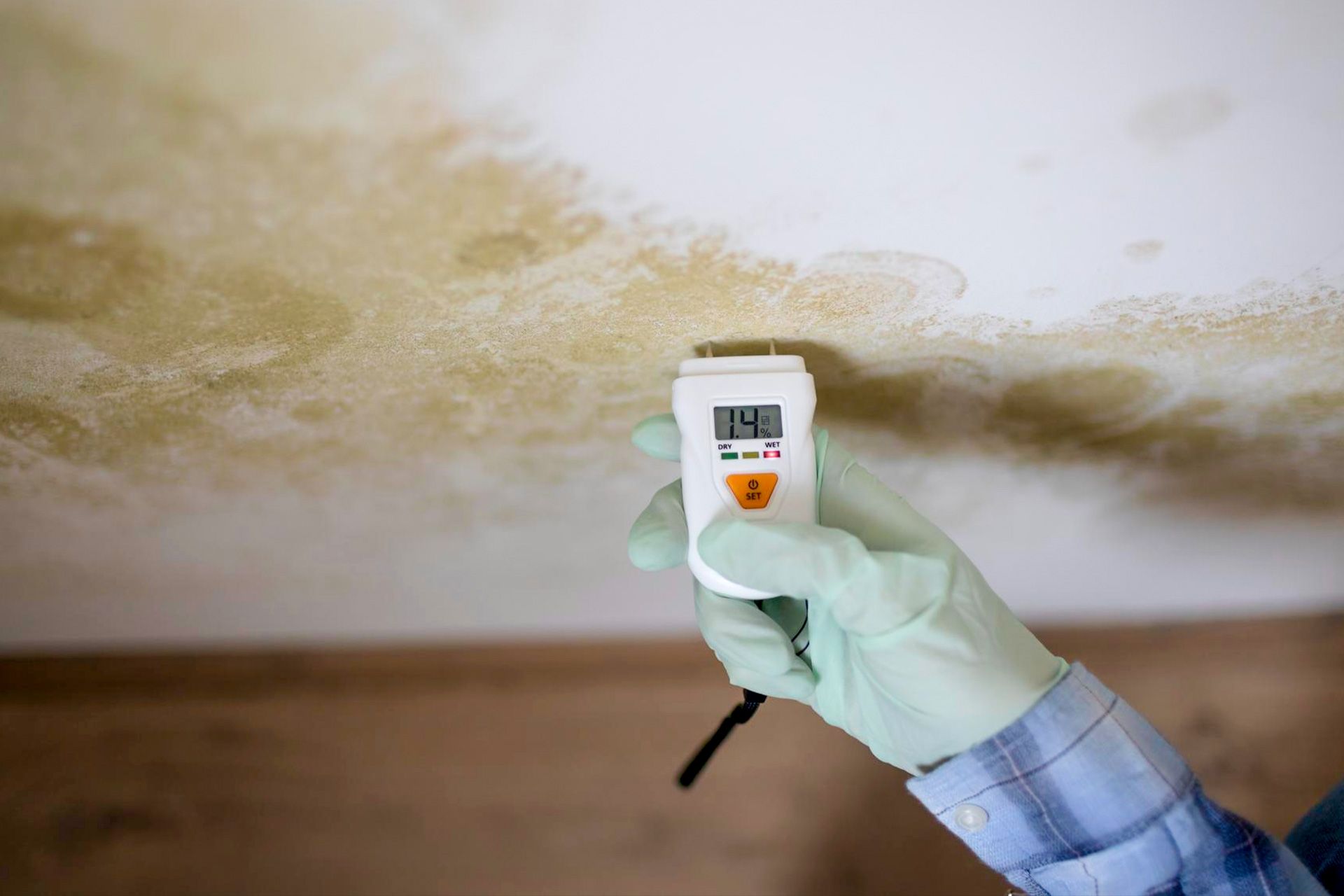
- Mold concerns
- Unsafe electrical issues
- Major plumbing defects
- Sewer line problems
- Significant pest damage
- Old or failing HVAC systems
- Large repair needs they were not expecting
- Safety hazards
- Signs of poor maintenance throughout the home
These findings can make buyers nervous. They may wonder what else is hidden. They may also worry about future repairs after closing.
An Inspection Does Not Pass Or Fail A Home
One important thing to understand is that a home inspection does not pass or fail a house. The inspector does not approve or reject the sale.
A home inspection is a condition report. It explains what the inspector saw at the time of the inspection.
The report may include:
- Safety concerns
- Maintenance issues
- System defects
- Signs of damage
- Areas needing repair
- Items needing further review
- Photos of visible concerns
- Helpful notes for the buyer
The buyer then decides how comfortable they feel moving forward.
What Makes Buyers Nervous?
Buyers often back out because they feel overwhelmed. Sometimes the inspection report is long, even when many items are minor.
A long report can feel scary if the buyer does not understand what is normal and what is serious.
Buyers may feel nervous when:
- The report lists many defects
- They do not understand the findings
- The home is older than expected
- There are signs of water damage
- Repair needs seem urgent
- The seller refuses to negotiate
- A major system appears near the end of its life
- Multiple safety concerns are found
- The buyer loses confidence in the property
This is why a clear inspection report matters. Buyers need facts, not fear.
Common Inspection Issues That Usually Do Not End The Deal
Many inspection findings are common. They may still need attention, but they do not always cause buyers to walk away.
Common issues include:
- Missing caulk
- Loose outlets
- Small drywall cracks
- Minor plumbing leaks
- Dirty HVAC filters
- Worn weatherstripping
- Damaged screens
- Poor grading in small areas
- Gutter cleaning needs
- Minor roof wear
- Older appliances
- Small maintenance repairs
These issues are part of normal homeownership. Buyers may ask questions or request repairs, but they often continue with the purchase.
Inspection Issues That Can Stop A Sale
Some findings are more serious. These can make buyers pause or cancel the deal if they are not comfortable.
Higher concern issues may include:
- Major foundation cracks
- Active roof leaks
- Large areas of mold-like growth
- Unsafe electrical panels
- Sewer line failure
- Severe termite or pest damage
- Major plumbing leaks
- Fire damage
- Serious structural movement
- Unsafe decks or stairs
- Extensive water damage
- Failing heating or cooling systems
These issues may not always end the sale, but they often lead to deeper negotiations or more specialized evaluations.
How Sellers Can Reduce The Risk Of Buyers Backing Out
Sellers cannot control every buyer reaction, but they can reduce surprises. The best way to avoid problems is to understand the home’s condition before listing.
Sellers can prepare by:
- Fixing known safety concerns
- Repairing active leaks
- Servicing HVAC systems
- Cleaning gutters
- Replacing damaged outlets or switches
- Making sure access areas are clear
- Checking the attic and basement
- Repairing loose handrails
- Addressing moisture problems
- Keeping receipts for recent repairs
- Being honest about known issues
Some sellers also choose a pre-listing inspection. This gives them a chance to fix concerns before buyers see the home.
How Buyers Should Handle Inspection Findings
Buyers should not panic when the inspection report comes back. Most homes have issues, even newer homes.
A smart buyer should review the report carefully and separate findings into groups.
Helpful categories include:
- Major safety concerns
- Expensive repair concerns
- Maintenance items
- Cosmetic issues
- Items needing specialist review
- Future improvement projects
This makes the report easier to understand. It also helps the buyer decide what matters most.
What Buyers Should Ask After The Inspection
After receiving the inspection report, buyers should ask clear questions. This helps them make a better decision.
Helpful questions include:
- Which issues are safety-related?
- Which issues need urgent attention?
- Which items are normal maintenance?
- Which concerns need a licensed specialist?
- Are there signs of water damage?
- Are there signs of structural movement?
- Are major systems working as intended?
- What should I monitor after moving in?
A good home inspection gives buyers useful information, not just a list of defects.
What Sellers Should Not Do After An Inspection
Sellers may feel defensive after a buyer inspection. That is normal, but reacting the wrong way can hurt the deal.
Sellers should avoid:
- Ignoring the report
- Taking findings personally
- Refusing to discuss serious concerns
- Making rushed repairs without proper skill
- Hiding known problems
- Arguing over every small item
- Assuming the buyer is being difficult
- Waiting too long to respond
A calm response often helps keep the deal moving.
Do Buyers Back Out More In Older Homes?
Older homes may have more findings, but that does not always mean buyers will back out. Many buyers expect older homes to need updates.
However, older homes may have concerns such as the following:
- Aging electrical systems
- Older plumbing materials
- Roof wear
- Foundation settlement
- Poor insulation
- Basement moisture
- Outdated heating systems
- Past DIY repairs
- Drainage issues
Buyers may still move forward if they understand the condition and feel comfortable with the repairs.
Do Newer Homes Have Inspection Problems Too?
Yes. Newer homes can also have inspection issues. A newer home does not always mean a perfect home.
Newer homes may have:
- Poor drainage
- Missing insulation
- Roofing installation issues
- HVAC problems
- Plumbing leaks
- Electrical defects
- Window or door issues
- Grading concerns
- Incomplete repairs
- Builder workmanship issues
This is why inspections are helpful for both older and newer homes.
Can A Good Inspection Save A Deal?
Yes, a clear inspection can sometimes help save a deal. When buyers understand the findings, they are less likely to react out of fear.
A good inspection can help by:
- Explaining the real condition of the home
- Separating major issues from minor ones
- Giving buyers useful photos
- Helping buyers ask better questions
- Reducing confusion
- Helping both sides understand the property
- Supporting informed negotiations
The goal is not to scare buyers away. The goal is to give them the information they need.
What Happens If A Buyer Backs Out?
If a buyer backs out after inspection, the next steps depend on the purchase agreement and local rules. In many cases, an inspection contingency gives the buyer a set period to cancel based on inspection findings. Redfin notes that many buyers have around 5 to 10 days after offer acceptance to inspect and respond, but the exact time depends on the contract, local law, and negotiations.
If the sale falls through, the seller may need to:
- Review the inspection findings
- Decide whether to make repairs
- Relist the home
- Disclose known issues as required
- Adjust the selling strategy
- Work with their agent on next steps
For buyers, backing out may be disappointing, but it can also prevent a bad fit. The inspection gives them a chance to make a careful decision.
The Best Way To Avoid Surprises
The best way to reduce inspection stress is to work with a qualified inspector and keep realistic expectations.
Buyers should expect some findings. Sellers should expect buyers to ask questions. Both sides should understand that the inspection is part of the process.
A home inspection works best when everyone uses the report as a tool for clarity.
Conclusion
So, how often do buyers back out after inspection? It depends on the home, the market, the inspection findings, and the buyer’s comfort level. Most buyers do not walk away over small repairs. They usually back out when the inspection reveals serious concerns, unexpected repair needs, safety issues or when negotiations break down.
A home inspection helps buyers and sellers make better decisions with clear information. It does not pass or fail the home. It simply shows the visible condition of the property at the time of inspection.
If you are buying or selling a home in Michigan, Elevate Inspection Group can help you understand the property with a clear, detailed, and helpful inspection report. Our goal is to give you confidence, clarity, and the information you need before moving forward.
FAQs
How Often Do Buyers Back Out After Inspection?
There is no exact number for every market. Many buyers continue with the purchase after inspection, but some back out when the report shows major repairs, safety concerns, or serious hidden problems.
Can A Buyer Back Out After A Home Inspection?
Yes, a buyer may be able to back out if the purchase agreement includes an inspection contingency. The exact rights and timeline depend on the contract and local rules.
Do Small Inspection Issues Stop A Home Sale?
Usually, no. Small issues are common. Buyers may ask for repairs or use the information for future planning, but minor maintenance items usually do not end the deal.
Should Sellers Get A Pre-Listing Inspection?
A pre-listing inspection can help sellers find issues before listing the home. This may reduce surprises, improve buyer confidence, and help the seller prepare for negotiations.
Do New Homes Need Inspections?
Yes. New homes can still have defects, incomplete work, drainage concerns, roofing issues, electrical problems, or HVAC concerns. A home inspection can help identify visible issues before closing.
What Should Buyers Do After Getting the Inspection Report?
Buyers should review the report carefully, ask questions, focus on major concerns, and discuss next steps with their real estate agent. They may also request specialist evaluations for serious issues.
Disclaimer: The information on this website and blog is for general informational purposes only and is not professional advice. We make no guarantees of accuracy or completeness. We disclaim all liability for errors, omissions, or reliance on this content. Always consult a qualified professional for specific guidance.
Search
Recent Post