Complete Guide to Radon Testing in Home Inspections
Purchasing a home is probably the most significant financial decision for most people. While buyers usually think first about the roof, plumbing, and electrical systems, there is a hidden danger that is not visible: radon gas. Radon is a radioactive, colorless, odorless gas. It enters our homes through cracks in the foundation, crawlspaces, basement floors, gaps around pipe openings, sump pumps, and more. Because radon has no smell, color, or taste, professional radon testing is the only reliable way to detect it.
For this reason, radon testing is a crucial feature of home inspections. It helps detect elevated radon levels before a home purchase is finalized. Buyers can then make decisions based on the level of safety and need for future remediation.
This guide explains what radon is, why testing matters, how the process works, and what to expect during radon gas testing.
What Is Radon Gas?
Radon is a radioactive gas that is naturally generated when uranium undergoes radioactive decay in soil, rock, and water. It can move through the soil and find its way into houses through:
- Cracks in the foundation
- Crawl spaces
- Basement floors
- Gaps around pipes
- Sump pump openings
Since radon has no odor, color, or taste, the only way to detect it is through professional radon gas testing.
Statistics from the Environmental Protection Agency (EPA) indicate that exposure to high levels of radon over a long period of time may lead to an increased risk of lung cancer. As a result, testing is especially crucial for homes with basements or lower-level living areas.
Why Is Radon Testing Important During a Home Inspection?
A normal home inspection focuses on the visible systems and structural conditions of the house. However, radon is an environmental hazard that can only be detected with a radon test.
It also provides important health and safety information about the property before you finalize the purchase.
Benefits with Radon Testing
- Safeguards Your Family's Health: High radon exposure can cause serious long-term health risks. Testing makes the homeowners aware of the safety of the indoor air.
- Informs Buyers about Their Decision-Making Process: Buyers, who are equipped with knowledge of a house's radon levels, will have the opportunity to request further evaluation or mitigation if necessary.
- Radon Is Prevalent in Many Areas: Radon can affect homes in almost every part of the United States, including Michigan. Certain newly built homes may also have elevated radon levels.
- Assurance: Once radon gas testing is complete, buyers can be confident in their investments.
How Does a Radon Testing Inspection Work?
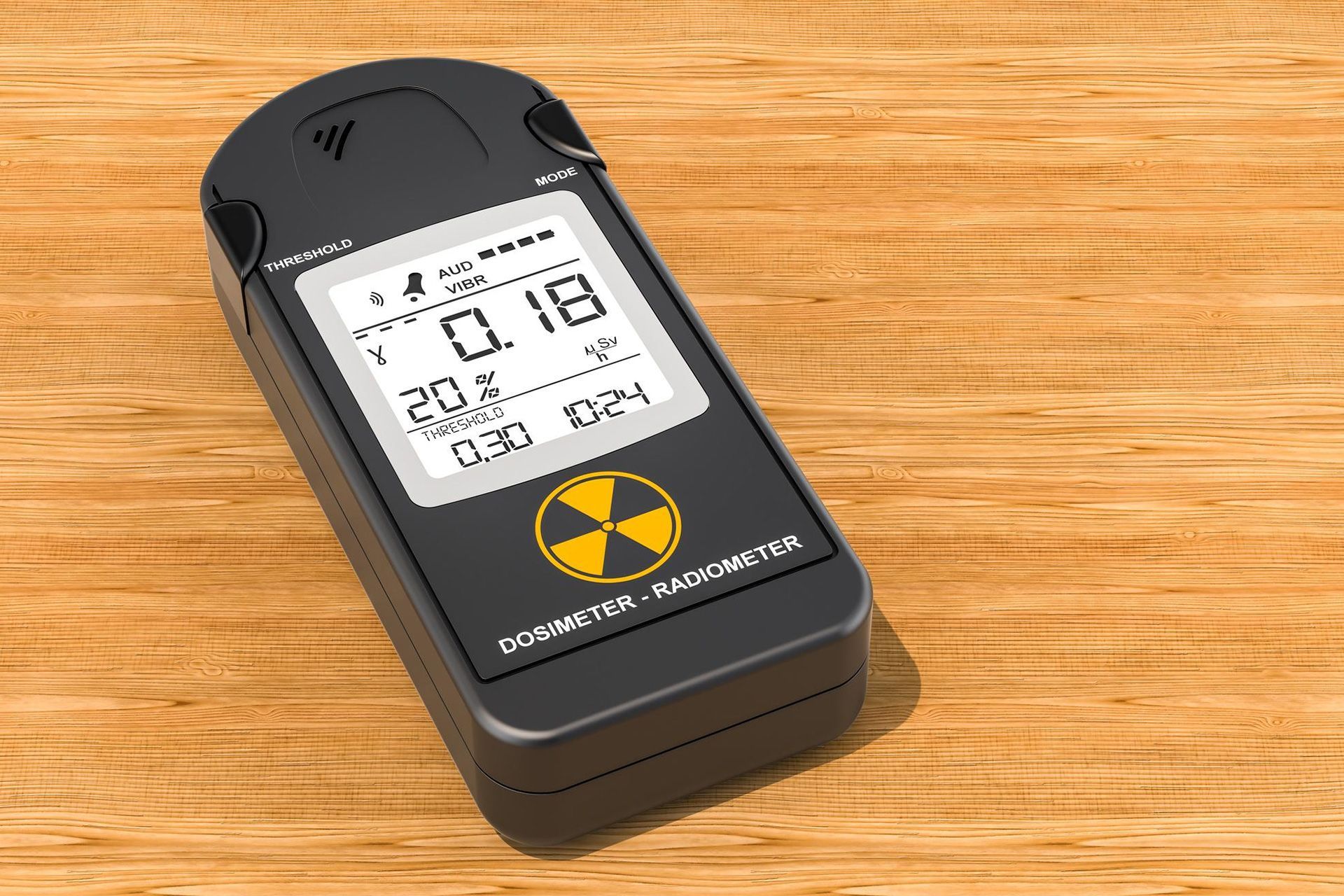
A radon testing inspection by a professional is a straightforward, non-intrusive task. The inspector will place radon testing equipment in the lowest livable area of the house, often the basement.
The testing device will measure radon gas levels for a predetermined duration, typically at least 48 hours.
At the Time of Testing
Homeowners might be requested to adhere to closed-house conditions, which means:
- Windows remain closed at all times
- The number of times exterior doors are used is severely restricted
- People refrain from using fans that pull outside air indoors
These conditions help ensure accurate test results.
Post Testing
The inspector analyzes the collected data and generates a report indicating the radon level detected in the home.
The EPA recommends taking action if radon levels reach or exceed 4.0 picocuries per liter (pCi/L).
Can New Homes Have Radon?
Yes. Many people think that only old homes have radon, whereas that is not the case.
Radon is a by-product of the soil a home sits on, not of the house's age. New, remodeled, and older homes can all have elevated radon levels.
Even newer, tightly sealed homes can sometimes trap radon even more effectively than older ones.
What Happens If High Radon Levels Are Found?
Detecting elevated radon levels does not equate to rejecting the home purchase. In fact, a radon problem may be corrected by installing a mitigation system.
Generally, a radon mitigation system works by piping radon gas beneath the home to the exterior before it seeps into living spaces.
Typical Components of Mitigation Systems
- Vent pipes
- Sealed foundation openings
- Specialized fans
- Sub slab depressurization systems
In most cases, post-mitigation, additional testing is advised to verify reduced radon levels.
How Long Does Radon Testing Take?
Primary radon gas testing by a professional generally requires at least 48 hours to complete.
Home buyers who know they need to conduct radon testing should schedule the radon inspection during the home inspection contingency period, as the testing takes time.
Are DIY Radon Tests Reliable?
One can find DIY radon kits, but professional radon testing and inspection services are definitely more reliable for real estate transactions.
Professionals use calibrated equipment for radon testing inspection and adhere to industry guidelines to ensure the accuracy of their readings.
Besides, a certified inspector will also:
- Explain what the results mean
- Ensure proper testing conditions are followed
- Steps to take in case elevated levels are found
When Should Homeowners Test for Radon?
Radon testing is advisable:
- When you intend to buy a home
- Before putting your home on the market
- After a major overhaul of the house and its features
- If you are considering setting up a mitigation system
- As part of routine home maintenance after a few years
Even if a prior radon test was at a safe level, over time things could change, and new testing will be needed.
How to Choose a Radon Testing Company in Michigan
Different inspectors have different levels of experience and environmental testing capabilities. Some companies provide more detailed radon inspection services than others.
When deciding on a radon testing inspection company, it is advisable to:
- Evaluate their areas of expertise
- Ask for sample reports
- Check if they are familiar with local conditions
- Find out about the current technology they use
- Communication skills
Partnering with a reputable inspection company like Elevate Inspection Group guarantees you receive accurate information and excellent advice throughout the inspection process.
We are a professional inspection company serving Macomb County, Oakland County, Washtenaw County, and Wayne County. Our experts are committed to helping homebuyers and homeowners make confident decisions by conducting thorough inspections and providing accurate reporting.
Contact us today to arrange your radon testing inspection.
FAQs
Is radon testing part of a standard home inspection?
Not necessarily. Some home inspectors consider radon testing as an additional service. Purchasers should enquire about radon gas testing when booking the inspection.
What level of radon is considered dangerous?
The EPA recommends taking action when levels reach 4.0 pCi/L or higher. Even lower levels may still pose health risks with long-term exposure.
Can radon levels change over time?
Yes. Weather conditions, home renovations, and seasonal changes can affect indoor radon levels.
Do homes without basements need radon testing?
Yes. Homes with crawl spaces or slab foundations can also have elevated radon levels.
How often should a home be tested for radon?
Most experts recommend testing every few years, or after remodeling your home or installing a radon mitigation system.
Disclaimer: The information on this website and blog is for general informational purposes only and is not professional advice. We make no guarantees of accuracy or completeness. We disclaim all liability for errors, omissions, or reliance on this content. Always consult a qualified professional for specific guidance.
Search
Recent Post