Home Inspection for Insurance: Why Insurance Companies Require It
A home inspection for insurance is different from a buyer’s home inspection. A buyer’s inspection usually happens before someone purchases a home. An insurance inspection usually happens when an insurance company wants to review the property before approving, renewing, or adjusting coverage.
Insurance companies want to know the condition of the home they are being asked to insure. They may look at the roof, exterior, electrical system, plumbing, heating and cooling systems, safety features, and other visible risks. The goal is not to help you buy or sell the home. The goal is to help the insurance company understand risk.
In simple terms, insurance companies inspect homes to confirm the home is in good condition, verify application details, and check for hazards that could lead to future claims. The inspection may include the roof, exterior, interior, major systems, detached structures, safety concerns, and visible risks that could affect coverage or underwriting decisions.
What Is A Home Inspection For Insurance?
A home inspection for insurance is a property review requested by an insurance company. It may happen after you apply for a homeowners insurance policy, when your policy is being renewed, or when the insurer needs more information about the home.
The inspection may help the insurance company confirm the following:
- The home’s condition
- The age and condition of the roof
- The condition of exterior structures
- Safety risks around the property
- Possible fire or water damage concerns
- Whether application details are accurate
- Whether repairs may be needed
- The home’s estimated replacement needs
Not every insurance inspection is the same. Some may be exterior only. Some may include interior areas. Some may involve photos, while others may require a more detailed review.
Why Do Insurance Companies Require Home Inspections?
Insurance companies require inspections because they need to understand the risk of insuring the property. A home with a damaged roof, unsafe wiring, or major water issues may be more likely to have a claim.
A home insurance inspection may help insurers check for:
- Fire hazards
- Water damage risks
- Roof damage
- Unsafe electrical conditions
- Plumbing leaks
- Structural concerns
- Liability risks
- Poor maintenance
- Safety hazards
- Detached structure issues
Insurance companies may also use the inspection to confirm that the home matches the information in the insurance application. This can include checking the home’s size, exterior condition, roof condition, safety features, major systems, detached structures, and any visible risks that may not have been fully listed during the application process.
Home Insurance Inspection vs Buyer’s Home Inspection
A home insurance inspection and a buyer’s home inspection are not the same.
A buyer’s home inspection is usually ordered by the buyer before closing. It helps the buyer understand the home’s condition before making a final decision.
A home insurance inspection is usually requested by the insurance company. It helps the insurer decide whether to provide coverage, continue coverage, request repairs, or adjust policy terms.
Here is the simple difference:
- Buyer’s inspection: Helps the buyer understand the home
- Insurance inspection: Helps the insurer understand risk
- Buyer’s inspection: Usually happens before closing
- Insurance inspection: May happen after applying for insurance
- Buyer’s inspection: Report is mainly for the buyer
- Insurance inspection: Findings are mainly used by the insurer
Both inspections can be helpful, but they serve different purposes.
What Do Insurance Inspectors Look For?
An insurance inspector may review the visible condition of the home and property. The exact checklist depends on the insurance company and the type of property.
Common areas reviewed may include:
- Roof condition
- Gutters and drainage
- Siding and exterior walls
- Foundation areas
- Windows and doors
- Porches, decks, and stairs
- Detached garages or sheds
- Electrical system
- Plumbing system
- HVAC system
- Fireplace or chimney
- Basement or crawl space
- Interior walls, floors, and ceilings
- Smoke alarms or safety features
- Trees or branches near the home
Insurance companies are often looking for conditions that could increase the chance of a claim. They may also look for signs that the home is not being maintained.
Common Issues That Can Concern Insurance Companies
Some property issues may raise concern during an insurance inspection. These issues do not always mean coverage will be denied, but they may lead to repair requests or further review.
Common concerns include:
- An aging or damaged roof
- Missing shingles
- Unsafe electrical wiring
- Old electrical panels
- Plumbing leaks
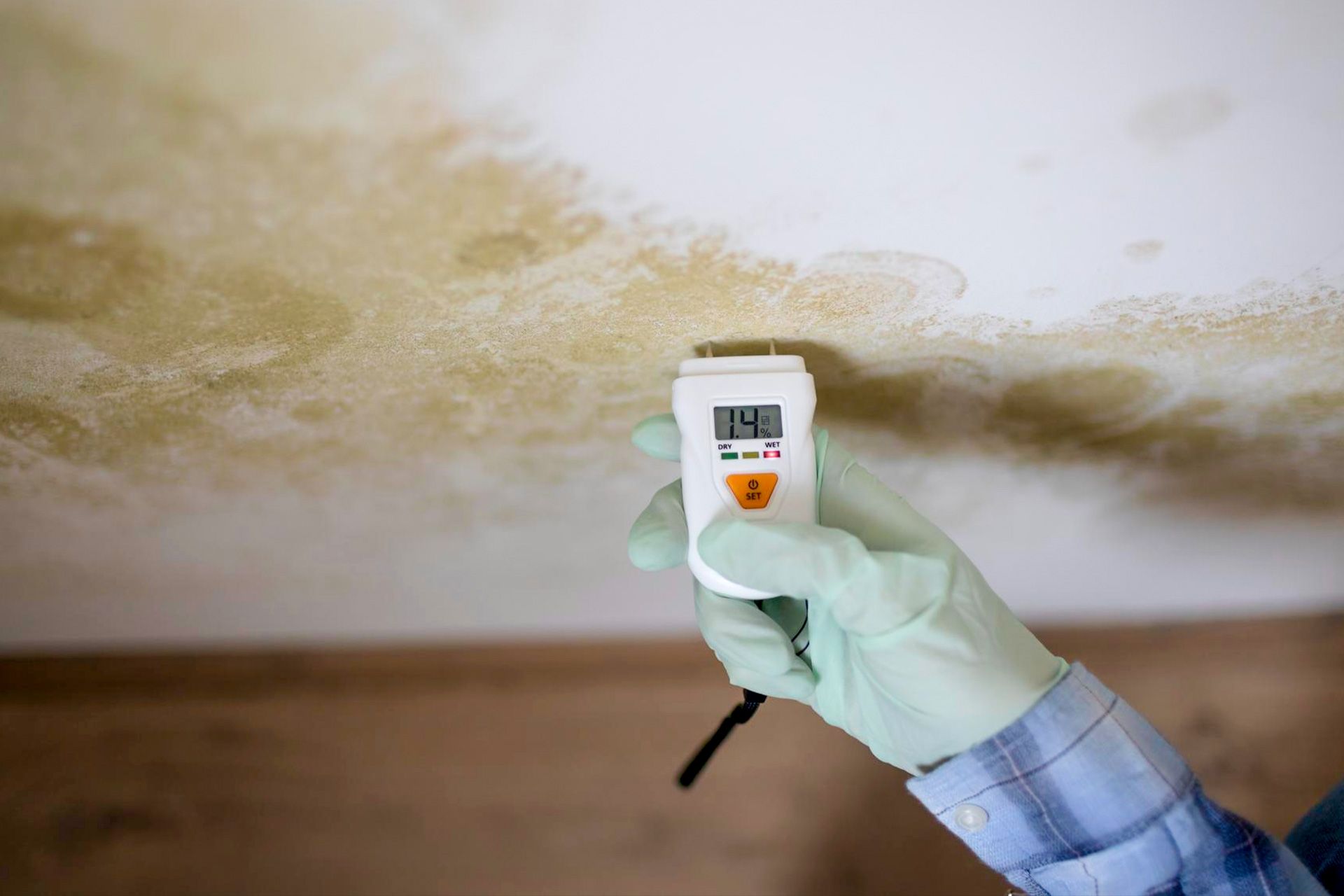
- Water stains
- Damaged siding
- Cracked or unsafe steps
- Loose railings
- Overhanging tree limbs
- Damaged decks
- Poor drainage
- Mold-like staining
- Chimney damage
- Fire hazards
- Missing safety features
Insurance companies care about these items because they may increase risk. For example, a roof in poor condition may increase the chance of water damage. Unsafe wiring may increase fire risk. A damaged deck may create a safety concern.
How Often Do Insurance Companies Inspect Homes?
Many homeowners ask, "How often do insurance companies inspect homes?" There is no single schedule that applies to every company or every home.
An insurance company may inspect a home:
- When you apply for a new policy
- After you buy a home
- During policy renewal
- After a major claim
- If the home is older
- If the home has unique features
- If replacement cost is hard to confirm
- If exterior condition raises concern
- If the insurer changes underwriting rules
So, the best answer is this: insurance companies inspect homes when they need more information about the property’s condition, safety, replacement value, or risk level. Some homes may be reviewed soon after a policy starts, while others may not need an inspection unless something changes.
Can You Get Insurance Without an Inspection?
Sometimes, yes. Not every home insurance policy requires a full inspection. Some insurers may approve coverage based on application details, photos, public records, or recent inspection information.
However, an insurance company may require an inspection if:
- The home is older
- The roof age is unclear
- The home has past claims
- The property has unique structures
- The home is in a higher-risk area
- The replacement value needs review
- The insurer needs to verify condition
- The application details need confirmation
If the insurance company requires an inspection and the homeowner refuses, the company may decline coverage or choose not to continue the policy. Insurers often need the inspection to confirm the home’s condition, safety risks, and replacement details before approving or renewing coverage.
What Happens After A Home Insurance Inspection?
After the inspection, the insurance company reviews the inspection findings. The outcome depends on the home’s condition and the company’s underwriting rules.
The insurer may decide to:
- Approve the policy
- Continue coverage
- Request certain repairs
- Ask for more information
- Adjust coverage terms
- Reevaluate the home’s replacement value
- Decline coverage
- Choose not to renew the policy
If repairs are requested, the company may give the homeowner a timeframe to complete them. The requested repairs often relate to safety, maintenance, or claim risk.
Examples may include:
- Repairing roof damage
- Trimming tree branches near the roof
- Fixing unsafe steps
- Repairing loose railings
- Addressing electrical hazards
- Correcting plumbing leaks
- Removing debris or hazards
- Repairing damaged exterior surfaces
How Homeowners Can Prepare For An Insurance Inspection
A little preparation can help the inspection go more smoothly. The goal is to make the property accessible, safe, and well-maintained.
Before the inspection, homeowners can:
- Clear walkways
- Trim branches away from the roof
- Clean gutters
- Repair loose handrails
- Replace missing safety devices
- Fix active leaks
- Remove yard hazards
- Clear access to the electrical panel
- Clear access to HVAC equipment
- Check for visible roof damage
- Secure pets
- Gather records for recent repairs or updates
It may also help to keep records of major home improvements, such as roof replacement, electrical updates, plumbing repairs, HVAC service, or safety upgrades.
Why A Regular Home Inspection Can Help
A professional home inspection can help homeowners understand the condition of the property before an insurance company raises concerns. This can be useful for both new homeowners and long-term homeowners.
A home inspection may help identify:
- Roof concerns
- Drainage problems
- Plumbing leaks
- Electrical hazards
- Foundation concerns
- Moisture issues
- Safety risks
- Maintenance needs
- Exterior damage
- Attic or basement concerns
Finding these issues early gives homeowners more time to plan repairs. It can also help reduce surprises during insurance reviews.
Why Insurance Inspections Matter For Michigan Homes
Michigan homes face weather conditions that can affect property condition over time. Snow, ice, rain, wind, humidity, and freeze and thaw cycles can all create stress on a home.
Michigan-related concerns may include the following:
- Roof wear from snow and ice
- Ice dam-related damage
- Basement moisture
- Foundation cracks
- Drainage problems
- Aging furnaces
- Chimney wear
- Exterior wood damage
- Gutter issues
- Attic ventilation concerns
A local home inspector understands these conditions and can explain findings in a practical way. This is helpful for homeowners who want to stay ahead of maintenance and insurance concerns.
Conclusion
A home inspection for insurance helps insurance companies understand the condition and risk of a property. It may be required when you apply for coverage, renew a policy, buy a home, or when the insurer needs more information. The inspection may focus on the roof, exterior, safety concerns, major systems, and signs of poor maintenance.
Homeowners often ask, "How often do insurance companies inspect homes?" The answer depends on the insurer, the home, the policy, and the level of risk. Some homes may not need frequent inspections, while others may be reviewed when coverage is started or renewed.
If you want to better understand your home before an insurance review, Elevate Inspection Group can help. Our team provides detailed home inspections in Michigan with clear reports, helpful explanations, and practical insight so you can make confident decisions about your property.
FAQs
What Is A Home Inspection For Insurance?
A home inspection for insurance is a property review requested by an insurance company. It helps the insurer check the home’s condition, confirm details, and identify possible risks.
Why Do Insurance Companies Inspect Homes?
Insurance companies inspect homes to understand risk. They may look for roof damage, unsafe wiring, plumbing issues, poor maintenance, safety hazards, and other concerns that could lead to claims.
How Often Do Insurance Companies Inspect Homes?
There is no single schedule. Inspections may happen when you apply for a policy, renew coverage, buy a home, file a claim, or when the insurer needs more property details.
Can Insurance Be Denied After A Home Inspection?
Yes, it is possible. If the home has serious risks or required repairs are not completed, the insurance company may deny coverage or choose not to renew the policy.
Is A Home Insurance Inspection The Same As A Buyer’s Inspection?
No. A buyer’s inspection helps the buyer understand the home before closing. An insurance inspection helps the insurance company evaluate property risk and coverage needs.
What Should I Fix Before A Home Insurance Inspection?
Focus on safety and maintenance issues. Repair active leaks, clean gutters, trim branches near the roof, fix loose railings, clear hazards, and make key systems accessible.
Do Insurance Inspectors Take Photos?
Yes, they may take photos of the home and property. Photos can help the insurance company review condition, confirm details, and document possible risks.
Disclaimer: The information on this website and blog is for general informational purposes only and is not professional advice. We make no guarantees of accuracy or completeness. We disclaim all liability for errors, omissions, or reliance on this content. Always consult a qualified professional for specific guidance.
Search
Recent Post