10 Common Things That Fail a Home Inspection and What to Do Next
A home inspection does not truly “pass” or “fail” a house. The inspector does not approve or reject the property. Instead, the report explains the visible condition of the home at the time of the inspection.
Still, many buyers and sellers use the phrase "things that fail a home inspection" when they mean serious issues that can delay a sale, lead to repair requests, or make a buyer think twice.
Most inspection findings are manageable. Loose handles, worn caulk, dirty filters, and small cracks are common. Bigger concerns are different. Problems with the roof, foundation, plumbing, electrical system, moisture, pests, or safety can affect the buyer’s confidence and the next step in the transaction.
Some inspection concerns are more serious because they can affect safety, structure, moisture control, or major home systems. These may include foundation cracks, poor drainage, roof damage, plumbing leaks, outdated wiring, HVAC problems, pest activity, and missing safety items.
1. Foundation Cracks Or Structural Movement
Foundation issues are among the most serious things that fail a home inspection in a buyer’s mind. Small hairline cracks may be common, but large cracks, movement, bowing walls, or uneven floors can raise major concerns.
Inspectors may look for:
- Large foundation cracks
- Bowing basement walls
- Sloping floors
- Doors or windows that stick
- Gaps around walls or trim
- Water near the foundation
- Signs of past structural repairs
What to do next:
- Ask whether the issue appears minor or serious
- Have a structural engineer review major concerns
- Improve drainage around the home
- Keep repair records if work is completed
Foundation concerns should not be ignored because they can affect safety, value, and future repair planning.
2. Roof Damage Or Active Leaks
Roof problems can quickly worry buyers. A roof protects the entire home, so damage can lead to moisture issues, damaged insulation, ceiling stains, and mold-like growth.
Common roof concerns include:
- Missing shingles
- Damaged flashing
- Active leaks
- Sagging roof areas
- Poor attic ventilation
- Soft or damaged decking
- Worn roof materials
- Chimney flashing issues
What to do next:
- Have a qualified roofing contractor review serious concerns
- Repair active leaks quickly
- Clean gutters and improve drainage
- Keep proof of roof repairs or replacement
Roof damage is one of the top things that fail a home inspection because buyers often worry about water damage and future repairs.
3. Plumbing Leaks Or Water Damage
Plumbing issues can range from simple repairs to major concerns. A small drip under a sink may be easy to fix. A hidden leak, damaged pipe, or repeated backup can be more serious.
Inspectors may find:
- Leaks under sinks
- Running toilets
- Low water pressure
- Water stains
- Corroded pipes
- Slow drains
- Water heater concerns
- Signs of past leaks
What to do next:
- Fix active leaks before they spread
- Ask a plumber to review major concerns
- Check for hidden moisture
- Address stains and damaged materials properly
Water damage can affect walls, floors, cabinets, ceilings, and framing. That is why plumbing and moisture concerns matter so much.
4. Electrical Safety Issues
Electrical defects are common in inspection reports. Some are minor, but others may create safety risks.
Common electrical concerns include:
- Missing GFCI protection
- Open junction boxes
- Exposed wiring
- Double tapped breakers
- Outdated panels
- Loose outlets
- Reversed polarity
- Overloaded circuits
- Damaged wiring
These concerns matter because they can create shock risks, fire risks, or unsafe conditions for daily use. For example, GFCI protection is important in wet areas like kitchens, bathrooms, garages, laundry rooms, and exterior outlets. Open junction boxes, exposed wire splices, damaged wires, or overloaded circuits should not be ignored.
What to do next:
- Have a licensed electrician review unsafe conditions
- Replace missing covers
- Correct exposed wiring
- Add proper GFCI protection where needed
- Avoid DIY electrical repairs unless qualified
Electrical safety issues are one of the most important things that fail a home inspection because they can affect daily safety.
5. HVAC Problems
Heating and cooling systems are important for comfort, safety, and indoor air quality. In Michigan, a reliable heating system is especially important during cold months.
Inspectors may find:
- Dirty filters
- Weak airflow
- Old equipment
- No heat or cooling response
- Rust or corrosion
- Poor venting
- Unusual noises
- Water around the unit
- Lack of service records
What to do next:
- Replace dirty filters
- Schedule HVAC service
- Ask a licensed HVAC contractor to review major issues
- Keep records of maintenance and repairs
An older system may still work, but buyers often want to understand its condition before closing.
6. Poor Drainage Around The Home
Drainage problems may not look serious at first, but they can lead to basement leaks, foundation concerns, soil movement, and moisture problems.
Inspectors often look for:
- Soil sloping toward the home
- Short downspouts
- Clogged gutters
- Standing water
- Wet basement walls
- Water stains
- Erosion near the foundation
- Sump pump concerns
What to do next:
- Extend downspouts away from the foundation
- Clean gutters
- Improve grading where needed
- Repair cracks where water enters
- Monitor basement moisture
NAR also notes that drainage systems matter because gutters and downspouts should direct water away from the foundation, basement, or crawl space.
7. Mold-Like Growth Or Moisture Concerns
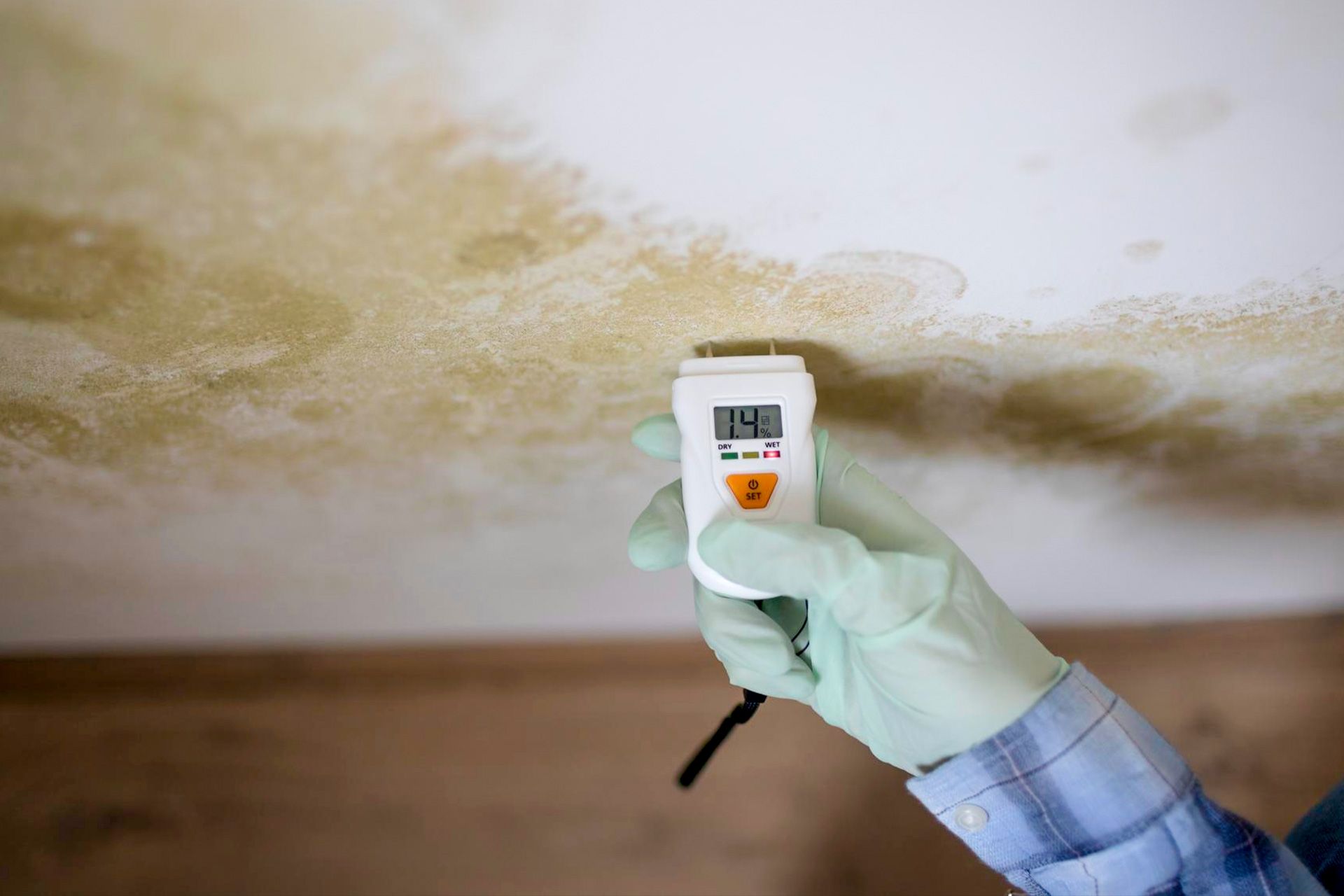
Mold concerns can make buyers nervous. A general home inspection may not always confirm the exact mold type, but visible mold-like growth or moisture conditions may lead to further evaluation or a separate mold inspection.
Warning signs include:
- Musty odors
- Water stains
- Damp basements
- Wet insulation
- Dark staining
- Poor ventilation
- Past flooding
- Condensation on windows
What to do next:
- Find and fix the moisture source
- Dry wet materials quickly
- Improve ventilation
- Consider mold testing if needed
- Use a qualified remediation company for larger issues
Moisture control is the main priority. Cleaning a stain without fixing the water source may not solve the problem.
8. Pest Or Termite Damage
Pest activity can damage wood, insulation, wiring, and other parts of the home. Termite concerns are especially important because they may affect structural wood. This is why pest and termite inspections can be helpful when there are signs of wood damage, moisture, or insect activity.
Inspectors may notice:
- Damaged wood
- Mud tubes
- Droppings
- Nesting material
- Chewed wiring
- Pest entry points
- Soft or hollow sounding wood
- Wood debris near the foundation
What to do next:
- Have a pest professional evaluate the issue
- Remove wood debris near the home
- Fix moisture problems
- Seal entry points
- Repair damaged materials if needed
Pest damage is one of the things that fail a home inspection when it suggests active infestation or structural damage.
9. Safety Hazards
Some inspection findings are not expensive, but they still matter because they affect safety.
Common safety hazards include:
- Missing smoke alarms
- Missing carbon monoxide alarms
- Loose handrails
- Unsafe stairs
- Trip hazards
- Broken steps
- Missing deck railings
- Garage door safety issues
- Poor exterior lighting
What to do next:
- Install missing alarms
- Repair loose railings
- Fix trip hazards
- Check garage door safety features
- Correct unsafe stairs or decks
Many safety items are simple to correct, but they can still affect buyer confidence.
10. DIY Repairs Or Poor Workmanship
Not all repairs are done correctly. Inspectors often find past DIY work that looks unsafe, unfinished, or poorly installed.
Common examples include:
- Improper electrical work
- Poor plumbing repairs
- Unpermitted additions
- Bad deck repairs
- Incorrect venting
- Poor roof patching
- Unsupported framing changes
- Open junction boxes
What to do next:
- Ask for records or permits if available
- Have licensed professionals review risky work
- Correct unsafe repairs before they cause more damage
- Keep receipts and documentation
Poor workmanship can make buyers wonder what else was done incorrectly.
What Should Buyers Do After the Inspection?
Buyers should not panic. Most homes have issues, even well-maintained homes. The key is to understand what matters most.
After the inspection, buyers should:
- Read the full report
- Focus on safety and major systems
- Ask the inspector questions
- Speak with their real estate agent
- Request specialist review when needed
- Decide what repairs matter most
- Avoid focusing only on cosmetic items
Buyers should usually give the most attention to safety concerns, structural issues, roof leaks, plumbing leaks, electrical hazards, pest damage, mold-like growth, and major system problems. Cosmetic items may still matter, but they are usually less important than issues that affect the home’s safety, function, or long-term condition.
What Should Sellers Do Before Listing?
Sellers can reduce surprises by preparing before the buyer’s inspection.
Helpful steps include:
- Fix known leaks
- Clean gutters
- Replace missing safety alarms
- Service HVAC equipment
- Repair loose handrails
- Clear access to attic and basement areas
- Fix minor electrical covers
- Remove wood debris near the home
- Keep repair records ready
A pre-listing inspection can also help sellers find issues before buyers do.
Conclusion
The most common things that fail a home inspection are usually major safety, structural, moisture, roof, electrical, plumbing, HVAC, pest, or drainage concerns. Small maintenance items are normal, but bigger findings can delay the sale or lead to repair negotiations.
The good news is that most inspection issues have a next step. Buyers can ask questions and request further review. Sellers can repair known problems and prepare better before listing.
If you are buying or selling a home in Michigan, Elevate Inspection Group can help. Our team provides clear, detailed inspection reports that explain visible findings in simple terms so you can make confident decisions.
FAQs
What Are Common Things That Fail A Home Inspection?
Common concerns include foundation cracks, roof leaks, plumbing problems, electrical hazards, HVAC issues, mold like growth, pest damage, poor drainage, and safety hazards.
Can A House Actually Fail A Home Inspection?
No. A home inspection does not give a pass or fail grade. It reports the visible condition of the home so buyers and sellers can decide what to do next.
What Inspection Issues Are Most Serious?
Major structural problems, active roof leaks, unsafe electrical work, water damage, foundation movement, pest damage, and safety hazards are usually the most serious.
Should Sellers Fix Problems Before Listing?
Yes, sellers should fix known safety concerns, leaks, loose railings, missing alarms, and obvious maintenance issues before listing when possible.
What Should Buyers Do After A Bad Inspection?
Buyers should review the report, ask questions, speak with their agent, request specialist evaluations if needed, and focus on major concerns.
Are Cosmetic Issues A Big Deal In A Home Inspection?
Usually, no. Cosmetic wear is common and often less important than safety, structure, water, electrical, plumbing, or roof concerns.
Can Inspection Problems Stop A Home Sale?
Yes, serious issues can delay or stop a sale if buyers and sellers cannot agree on repairs, credits, or next steps.
Disclaimer: The information on this website and blog is for general informational purposes only and is not professional advice. We make no guarantees of accuracy or completeness. We disclaim all liability for errors, omissions, or reliance on this content. Always consult a qualified professional for specific guidance.
Search
Recent Post