Who pays for repairs after a home inspection?
Buying a home comes with a lot of questions. One common question is, who pays for repairs after a home inspection? Buyers also ask, when buying a house, who pays for the home inspection?
These are related questions, but they are not the same.
In most cases, the buyer pays for the home inspection because the inspection helps them understand the condition of the home before closing. If a seller orders a pre-listing inspection before putting the home on the market, then the seller usually pays for that inspection.
Repairs after the inspection are different. They are often part of the negotiation between the buyer and seller. The seller does not always have to fix everything. The buyer also does not always have to accept the home as it is. The answer depends on the contract, inspection findings, local rules, lender needs, and what both sides agree to.
Who Pays for Home Inspection When Buying a House?
When buying a house, the buyer usually pays for the home inspection. This is because the inspection is mainly for the buyer’s benefit.
The buyer chooses the inspector, schedules the appointment, and receives the report. The report helps the buyer understand the home’s condition before making a final decision.
A home inspection may review:
- Roof
- Foundation
- Electrical system
- Plumbing system
- Heating and cooling systems
- Attic and insulation
- Basement or crawl space
- Windows and doors
- Exterior areas
- Interior rooms
- Visible safety concerns
So, if you are asking who pays for home inspection when buying a house, the common answer is the buyer.
However, sellers may pay for an inspection if they decide to get a pre-listing inspection. This type of inspection happens before the home is listed for sale. It helps the seller find problems early and prepare for buyer questions later.
Who Pays for Inspection When Buying a House?
The buyer usually pays for the inspection when buying a house. This may include the standard home inspection and any extra inspections the buyer chooses.
Depending on the property, buyers may also request the following:
- Radon testing
- Sewer scope inspection
- Mold inspection
- Pest or termite inspection
- Water testing
- Well inspection
- Septic inspection
These extra services may not be included in a standard home inspection. They may be useful based on the age, location, and condition of the home.
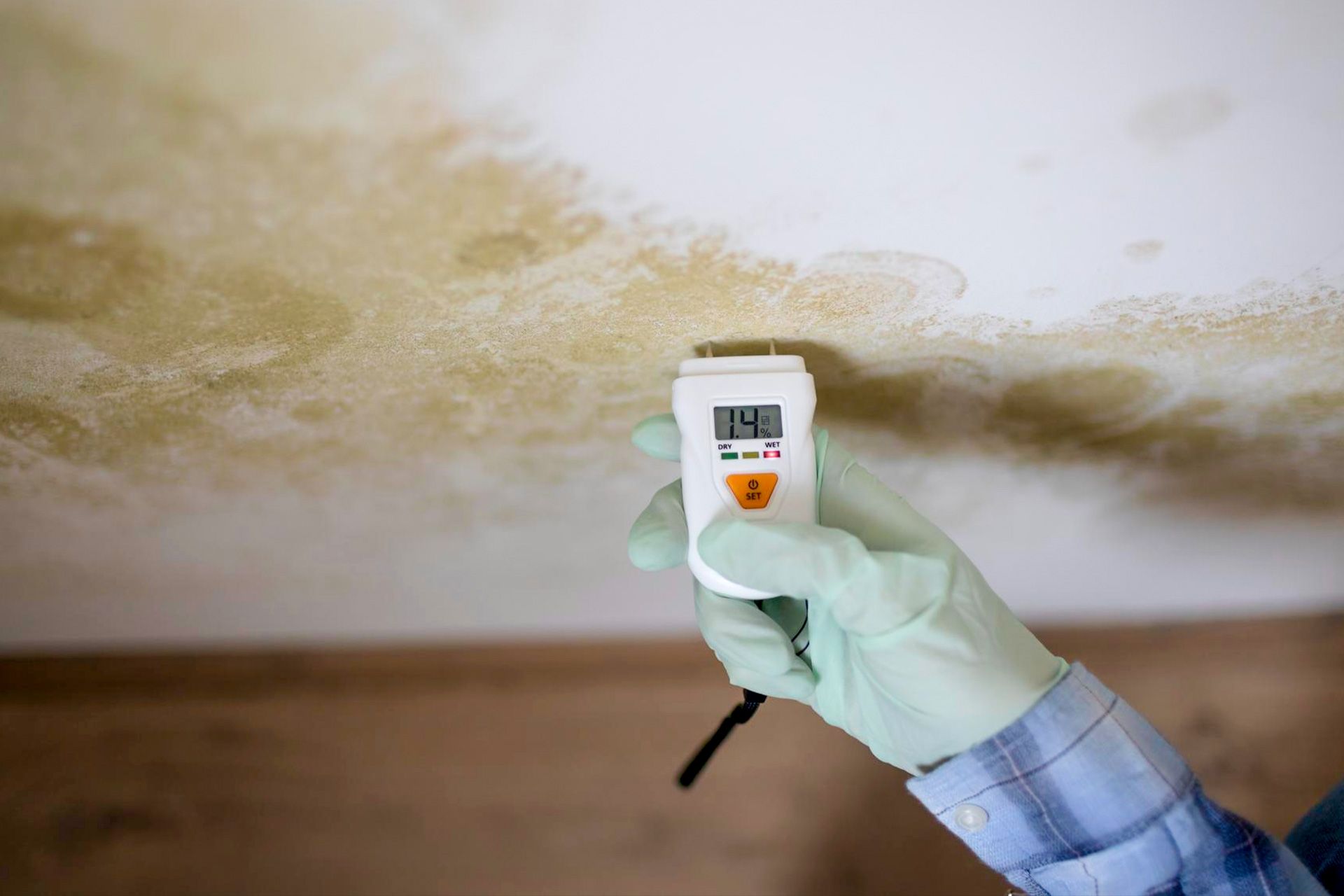
For example, an older home may need a sewer scope inspection. A home with a musty smell or moisture stains may need further mold-related evaluation.
Who Pays for Repairs After the Home Inspection?
Repairs after the home inspection are usually negotiable.
After reviewing the inspection report, the buyer may decide to:
- Move forward without asking for repairs
- Ask the seller to fix certain items
- Ask for a seller credit if allowed
- Request further review by a specialist
- Renegotiate part of the agreement
- Cancel the contract if the inspection contingency allows it
The seller may agree to repair some items, decline the request, or offer another solution. Every transaction is different.
A home inspection does not automatically force the seller to repair everything. It gives the buyer information so they can make a better decision.
Does the Seller Have to Fix Everything Found in the Inspection?
No, the seller usually does not have to fix every issue found in the inspection.
Most homes have some defects. Even well-maintained homes may have small repair items or maintenance concerns.
Minor findings may include:
- Loose door handles
- Worn caulk
- Small drywall cracks
- Dirty HVAC filters
- Damaged window screens
- Missing outlet covers
- Minor plumbing drips
- Gutter cleaning needs
- Worn weatherstripping
These items are common. Buyers may still want to know about them, but they do not always become repair requests.
Most repair talks focus on bigger issues that affect safety, function, or major systems.
What Repairs Do Buyers Usually Request?
Buyers usually focus on repairs that are more serious. These are the items that may affect safety, comfort, or future repair planning.
Common repair requests may include:
- Active roof leaks
- Electrical hazards
- Plumbing leaks
- Foundation concerns
- Structural damage
- Heating or cooling problems
- Water intrusion
- Mold-like growth
- Sewer line concerns
- Pest or termite damage
- Unsafe stairs or railings
- Missing smoke or carbon monoxide detectors
These issues matter because they can affect how safe, usable, or reliable the home is after closing.
A buyer may also ask for further evaluation if the inspector finds something that needs a specialist. For example, a structural concern may need a structural engineer. A sewer issue may need a plumbing professional.
What Repairs Are Sellers More Likely To Consider?
Sellers may be more open to repairs that could affect the sale or concern future buyers too.
These may include:
- Safety issues
- Active leaks
- Electrical hazards
- Plumbing defects
- Roof problems
- HVAC concerns
- Items required by a lender
- Items required by insurance
- Major system issues
Sellers may be less willing to repair cosmetic items, small maintenance tasks, or upgrades based on buyer preference.
For example, a buyer may not like the style of old light fixtures. That is usually not the same as an unsafe electrical issue. One is preference. The other may affect safety.
What If The Seller Refuses To Make Repairs?
A seller can refuse repair requests. If that happens, the buyer’s options depend on the contract.
The buyer may choose to:
- Accept the home as it is
- Ask for a different agreement
- Request a seller credit if allowed
- Get a specialist opinion
- Renegotiate other terms
- Cancel the contract if allowed
This is why the inspection contingency is important. It may give the buyer the right to respond after reviewing the inspection report.
If there is no inspection contingency, the buyer may have fewer options. Buyers should always understand their contract before making decisions.
Why The Inspection Contingency Matters
An inspection contingency gives the buyer time to inspect the home and decide what to do next. It may allow the buyer to ask for repairs, negotiate, or cancel if serious issues are found.
An inspection contingency can help buyers:
- Understand the home’s condition
- Review major defects
- Ask better questions
- Request repairs when appropriate
- Negotiate based on facts
- Avoid major surprises
- Make a more confident decision
Without this protection, buyers may still learn about the home, but they may not have the same ability to act on the findings.
Who Pays for Inspections When Buying a House If the Deal Falls Through?
In most cases, the buyer still pays for the inspection even if the deal does not close. The inspection service was completed, and the report was provided to the buyer.
This can feel frustrating, but the inspection still has value. It may help the buyer avoid a home that is not the right fit.
A home inspection can help buyers identify the following:
- Safety concerns
- Major repair needs
- Water damage
- Roof problems
- Electrical hazards
- Plumbing defects
- Poor past repairs
- Hidden risk areas
Even if the buyer walks away, the inspection may protect them from bigger problems later.
Tips For Buyers After The Inspection
Buyers should not panic when they receive the inspection report. Most reports include a mix of major, minor, and maintenance items.
A smart approach is to focus on:
- Safety issues
- Structural concerns
- Roof leaks
- Electrical hazards
- Plumbing problems
- Moisture concerns
- HVAC issues
- Pest damage
- Items needing specialist review
Buyers should avoid treating the inspection report like a wish list. The goal is to understand the condition of the home and focus on the items that matter most.
Tips For Sellers Before The Inspection
Sellers can reduce repair disputes by preparing before the buyer’s inspection.
Helpful steps include:
- Fix active leaks
- Repair loose railings
- Replace missing safety devices
- Service HVAC equipment
- Clear access to the attic
- Clear access to the electrical panel
- Clean gutters
- Repair known plumbing concerns
- Keep records for recent repairs
- Be honest about known issues
Some sellers may also choose a pre-listing inspection. This can help them find concerns before buyers do and reduce last-minute surprises.
Why A Clear Inspection Report Helps
A clear inspection report helps both buyers and sellers. It gives everyone a better understanding of the home’s condition.
A good report should include:
- Clear descriptions
- Photos of key findings
- Simple explanations
- Safety concerns
- Major system notes
- Maintenance items
- Recommendations for further review
When the report is clear, repair talks are easier. Buyers can focus on real concerns, and sellers can better understand what is being requested.
Conclusion
So, when buying a house, who pays for the home inspection? In most cases, the buyer pays for the inspection they schedule. If a seller orders a pre-listing inspection, the seller usually pays for that inspection.
Repairs after the inspection are different. The seller may pay for some repairs, the buyer may accept some items, or both sides may negotiate a solution. It depends on the contract, the inspection findings, and what both parties agree to.
A home inspection helps buyers make informed decisions. It also helps sellers understand repair concerns before closing.
If you are buying or selling a home in Michigan, Elevate Inspection Group can help with a clear, detailed home inspection report. Our team explains findings in a simple and helpful way so you can move forward with more confidence.
FAQs
When Buying A House, Who Pays For The Home Inspection?
In most cases, the buyer pays for the home inspection. The inspection helps the buyer understand the home’s condition before closing.
Who Pays for a Home Inspection When Buying a House?
The buyer usually pays because they choose the inspector and receive the inspection report. Sellers may pay if they order a pre-listing inspection.
Who Pays for Repairs After a Home Inspection?
Repairs are usually negotiable. The seller may agree to fix some items, offer a credit if allowed, or decline the request.
Does the Seller Have to Fix Everything Found in the Inspection?
No. Sellers are not usually required to fix every item. Most repair requests focus on safety issues, major defects, or system concerns.
What Repairs Are Most Important After A Home Inspection?
Important repairs may include roof leaks, electrical hazards, plumbing defects, structural concerns, water damage, HVAC problems, and safety issues.
Who Pays For Inspection When Buying A House If The Deal Falls Through?
The buyer usually still pays because the inspection was completed and the report was provided, even if the sale does not close.
Can Buyers Ask Sellers To Pay For Repairs?
Yes. Buyers can ask sellers to repair certain items after reviewing the inspection report. Whether the seller agrees depends on the contract and negotiation.
Disclaimer: The information on this website and blog is for general informational purposes only and is not professional advice. We make no guarantees of accuracy or completeness. We disclaim all liability for errors, omissions, or reliance on this content. Always consult a qualified professional for specific guidance.
Search
Recent Post