Who Pays for a Home Inspection: Buyer or Seller?
Buying a home comes with several expenses, and the inspection is one of the most important steps to plan for before closing. Many buyers wonder whether they should pay, whether the seller should cover it, and who is responsible when the inspector finds a problem.
In most transactions, the person who orders the inspection pays. That usually means the buyer pays for the inspection they arrange before purchasing the property. A seller who orders a pre-listing inspection usually pays for it. Repairs are a separate issue and may be negotiated depending on the contract, inspection findings, local requirements, and the buyer's and seller's positions.
Who Pays For House Inspection?
In a typical home purchase, the buyer selects an inspector, schedules the appointment, and pays for the inspection. This gives the buyer an independent opportunity to learn more about the property's visible condition before completing the purchase.
The seller usually provides access to the home but does not automatically pay for the buyer's inspection. If the seller arranges an inspection before putting the property on the market, often called a pre-listing inspection, the seller generally pays because they ordered the service.
The key point is simple: the person requesting the inspection normally pays the inspector. This is separate from any repair negotiations that happen afterward.
Why Buyers Usually Arrange Their Own Inspection
A buyer's inspection helps the buyer understand the property. The inspector reviews accessible systems and components and documents visible conditions that may need attention.
The report can cover the roof, foundation, electrical system, plumbing, heating and cooling equipment, attic, exterior, and other accessible areas. Depending on the property, you may also consider separate services for radon, mold, sewer lines, septic systems, pests, or other specialized concerns.
When Does the Seller Pay for an Inspection?
A seller may choose to arrange an inspection before listing the home. This can help identify visible concerns early and give the seller time to decide whether to make repairs, gather records, or prepare disclosures before buyers begin touring the property.
Because the seller orders this inspection for their own preparation, they generally pay for it.
Inspection Fees and Repair Costs Are Different
One common misunderstanding is assuming that whoever pays for the inspection must also pay for every issue the inspector finds. These are two different matters.
The inspection fee pays for the inspector's time, evaluation, and report. The purchase agreement, negotiations, applicable requirements, and the buyer's and seller's decisions usually determine repair responsibility.
After receiving the report, the buyer may decide that some items are minor maintenance concerns. Other findings may raise additional questions, require specialist evaluations, or prompt a repair request.
The seller may agree to address an item, negotiate different terms, or decline the request depending on the contract and circumstances.
Who Pays for Repairs After the Inspection?
There is no single answer that applies to every transaction. Repairs after an inspection are often part of the buyer-seller negotiation.
Several factors can influence the outcome:
- The purchase agreement: The contract may set inspection deadlines, outline repair requests, define contingencies, and specify each party's options.
- The seriousness of the issue: Buyers may focus more heavily on active leaks, structural concerns, electrical safety, roof problems, or other major conditions than on normal cosmetic wear.
- Market conditions: Negotiating power can change depending on how competitive the local housing market is and how much interest the property has received.
- Local requirements: State or local rules, lender requirements, insurance concerns, or other transaction-specific obligations.
Because contracts and local requirements vary, buyers and sellers should review inspection-related decisions with their real estate professionals and other qualified advisers when needed.
What Can a Buyer Do With the Inspection Report?
The report is most useful when it helps the buyer understand the home rather than simply count findings.
Depending on the contract, a buyer may have several options:
- Move forward without changes: Minor wear and routine maintenance may not affect the buyer's decision.
- Request repairs: The buyer may ask the seller to address specific concerns before closing.
- Request another evaluation: Some findings may require a roofer, electrician, plumber, structural professional, HVAC contractor, or another specialist.
- Discuss other terms: Instead of asking the seller to complete work, the parties may discuss another solution that fits their agreement.
- Reconsider the purchase: If the contract includes the appropriate contingency and the buyer discovers serious concerns, they may have options to review with their agent or adviser.
How Inspection Contingencies Affect the Process
An inspection contingency gives the buyer a set period to complete an inspection and respond to the findings. The exact language and deadlines depend on the purchase agreement.
During this period, the buyer can review the report, ask questions, seek additional evaluations, and decide whether to make a request to the seller.
Buyers should pay close attention to deadlines. Waiting too long to schedule the inspection or request further evaluation can reduce the time available to make decisions.
The inspector does not interpret the purchase contract or decide what the seller must repair.
Those questions should be handled with the professionals involved in the transaction.
What About Specialized Inspections?
A standard inspection may not cover every possible concern. Depending on the property, buyers may consider additional evaluations or testing.
Common examples include:
- Radon testing: This measures indoor radon levels because the gas cannot be detected by sight or smell.
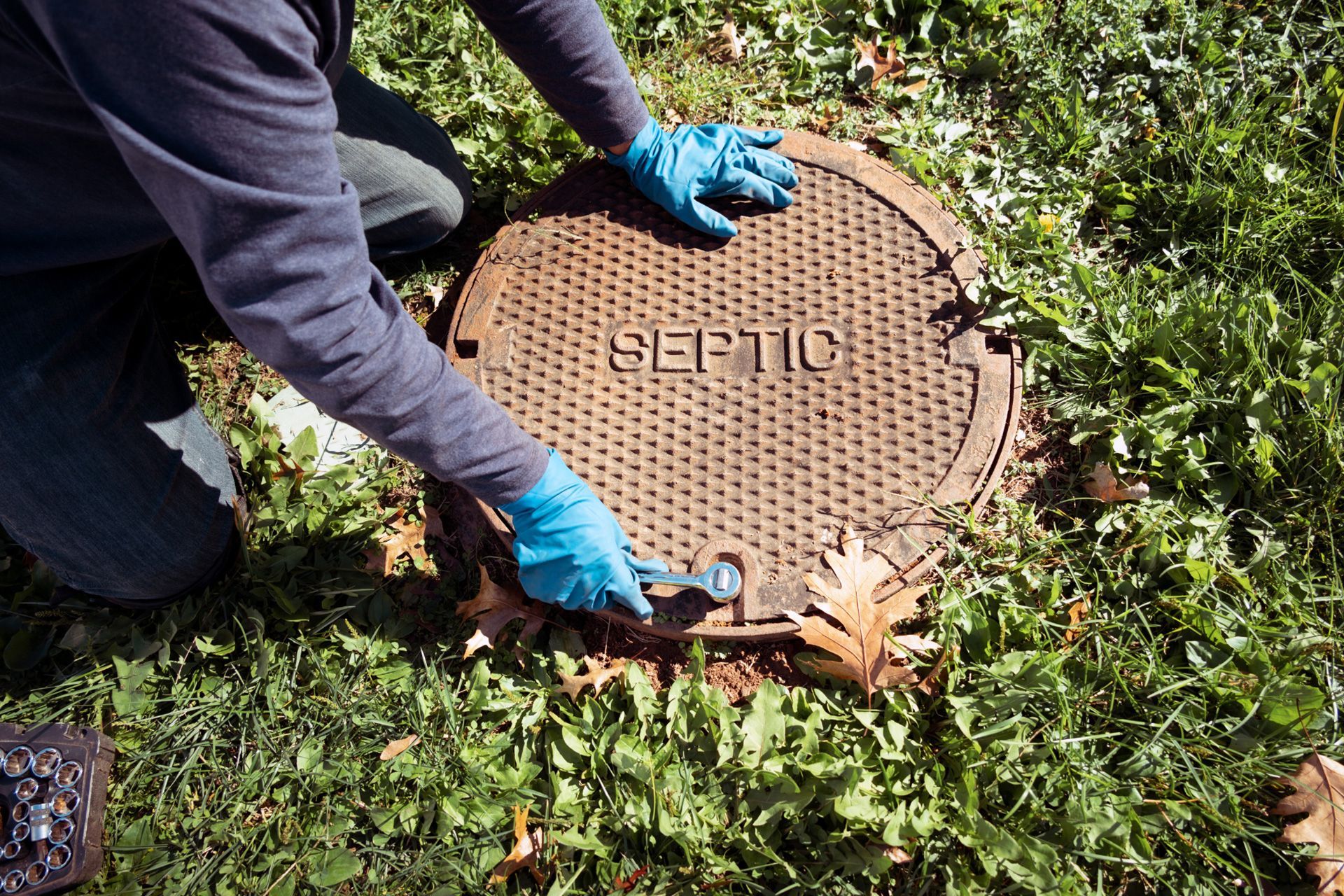
- Sewer or septic evaluation: These services may provide more information about wastewater systems that are not fully evaluated during a standard inspection.
- Mold or environmental testing: Additional review may be useful when there are moisture concerns or other specific conditions.
- Pest inspection: Certain properties may benefit from an evaluation for wood-destroying insects or other pest activity.
When a buyer chooses these additional services, the buyer generally pays for the services they order unless the parties agree otherwise.
Should You Skip the Inspection to Make an Offer Stronger?
In a competitive market, buyers sometimes reduce or waive inspection protections to make an offer more attractive. This can create additional risk because the buyer may have less opportunity to understand the property's condition or respond to significant findings before closing.
A home can look well maintained during a showing while still having roof wear, electrical concerns, leaks, drainage problems, aging equipment, or other conditions that are difficult to see during a short visit.
Before changing or waiving an inspection contingency, buyers should understand the possible consequences and discuss the decision with the appropriate real estate and legal professionals.
How Buyers Can Prepare for the Inspection
Buyers should schedule promptly and understand what is included.
If possible, attend the inspection or review the findings carefully afterward. Ask questions about major concerns, maintenance items, and recommendations for further evaluation. Keep the final report with other property records for future maintenance planning.
Conclusion
In most home purchases, the buyer pays for the inspection they order, while a seller who chooses a pre-listing inspection pays for it. Repair costs are separate and may depend on the contract, findings, negotiations, market conditions, and applicable requirements.
An inspection's value is the information it provides before a major property decision. A clear report can help buyers understand visible conditions, plan future maintenance, and decide when additional evaluation is appropriate.
Elevate Inspection Group helps Michigan buyers and sellers better understand property conditions through detailed inspections and clear, photo-supported reporting. Contact our team to schedule an inspection and get practical information about the home you are buying or preparing to sell.
FAQs
Does the seller have to pay for the buyer's home inspection?
Usually, no. The buyer generally pays for the inspection they order. If the seller orders a pre-listing inspection, the seller normally pays for that separate service.
Does the seller have to fix everything in the inspection report?
Not necessarily. Repair responsibilities depend on the purchase agreement, negotiations, applicable requirements, and the nature of the findings.
Can a seller already have an inspection report?
Yes. Some sellers arrange a pre-listing inspection before putting the home on the market. Buyers may still choose to order their own independent inspection.
Who pays for specialized testing?
The person ordering additional services, such as radon testing or a sewer evaluation, generally pays unless the parties agree otherwise.
Can a buyer walk away after an inspection?
That depends on the purchase contract and any inspection contingency. Buyers should review their specific options and deadlines with their real estate professional or other qualified adviser.
Disclaimer: The information on this website and blog is for general informational purposes only and is not professional advice. We make no guarantees of accuracy or completeness. We disclaim all liability for errors, omissions, or reliance on this content. Always consult a qualified professional for specific guidance.
Search
Recent Post