Quotation House Explained: Home Cost Estimates After Inspection
After a home inspection, many buyers feel overwhelmed. The report may list roof concerns, plumbing leaks, electrical issues, foundation cracks, HVAC problems, or moisture damage. Some items may be small. Others may need serious attention.
This is where a quotation house estimate can help.
The term may sound unusual, but in simple words, it means getting repair cost estimates for issues found during a home inspection. A quotation house estimate can help buyers understand possible repair needs, plan next steps, and negotiate with the seller more clearly.
A home inspection tells you what may be wrong. A repair estimate helps you understand what those issues may mean in real life. This can be useful during negotiations because buyers and sellers often need facts, not guesses.
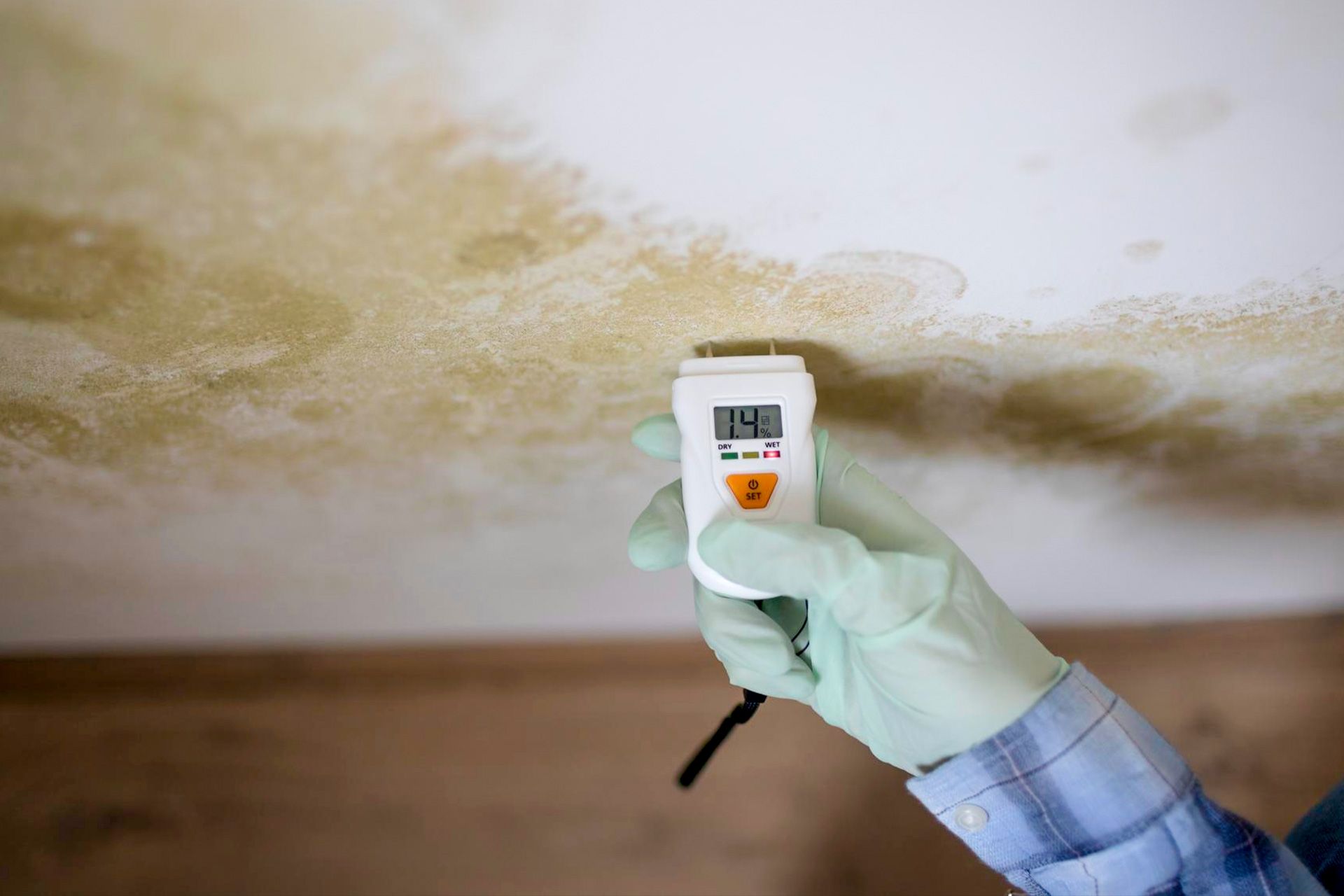
After a home inspection, buyers should focus on major concerns first, such as roofing problems, foundation issues, electrical hazards, plumbing leaks, HVAC concerns, water damage, termites, and mold-like growth. Small cosmetic items may still matter, but safety, structure, moisture, and major systems should usually come first.
What Does Quotation House Mean?
A quotation house estimate is not a standard real estate term, but many buyers use it to describe getting repair quotes after a home inspection.
It may include estimates for:
- Roof repairs
- Plumbing repairs
- Electrical corrections
- HVAC concerns
- Foundation issues
- Water damage
- Window or door problems
- Pest or termite damage
- Mold related concerns
- Safety repairs
The goal is to understand the possible repair work and seriousness of inspection findings before moving forward.
A quotation house estimate does not replace the inspection report. It adds another layer of information. The inspection report explains the issue. The estimate helps explain the possible repair path.
Why Cost Estimates Matter After Inspection
A home inspection report can be long. It may include many photos and notes. For buyers, it can be hard to know which items matter most.
A quotation house estimate can help buyers:
- Understand repair priorities
- Separate minor items from major concerns
- Plan future maintenance
- Ask better questions
- Negotiate with more confidence
- Avoid emotional decisions
- Decide whether to move forward
- Prepare for ownership
For sellers, repair estimates can also be useful. They help sellers understand buyer concerns and respond in a more practical way.
Inspection Report Vs Repair Estimate
A home inspection report and a repair estimate are not the same thing.
A home inspection report explains visible and accessible findings. It may identify defects, safety concerns, and items needing further review.
A repair estimate gives a general idea of what it may take to repair or replace certain items.
Here is the simple difference:
- Inspection report: Shows what the inspector found
- Repair estimate: Helps explain possible repair work
- Inspection report: Focuses on condition
- Repair estimate: Focuses on repair planning
- Inspection report: Prepared by the inspector
- Repair estimate: Often prepared by contractors or repair estimate services
A quotation house estimate works best when it is based on clear inspection findings, not guesswork.
What Repairs Should Buyers Focus On?
Not every inspection item needs to become a negotiation point. Small cosmetic issues are common and may have been visible during the showing.
Buyers should focus on bigger concerns, such as:
- Roof leaks or major roof wear
- Unsafe electrical conditions
- Plumbing leaks
- Foundation movement
- HVAC system problems
- Water intrusion
- Mold-like growth
- Termite or pest damage
- Sewer line concerns
- Safety hazards
- Structural concerns
These issues matter because they can affect safety, comfort, insurance, lending, or future repair planning.
A quotation house estimate can help buyers understand whether a concern is minor, urgent, or worth further review by a specialist.
What Items Are Usually Less Important?
Some inspection findings are normal maintenance items. They may still need attention, but they do not always need to become part of the negotiation.
Lower priority items may include:
- Worn paint
- Loose door handles
- Dirty filters
- Small drywall cracks
- Minor caulking gaps
- Damaged screens
- Cosmetic flooring wear
- Small trim damage
- Older appliances that still work
- Basic maintenance reminders
These items may be useful for your future to-do list. But they are not usually the main reason to renegotiate a home purchase.
How Repair Quotes Help With Negotiation
A repair estimate can make the negotiation more practical. Instead of saying, “This looks expensive,” the buyer can discuss specific findings and possible repair needs.
A quotation house estimate may help buyers:
- Support repair requests
- Ask for seller credits where allowed
- Compare repair options
- Understand urgency
- Avoid asking for every small item
- Keep the conversation focused
- Reduce back and forth
Repair estimates also help sellers see why a buyer is concerned. If the request is clear and supported by the inspection report, the conversation often becomes easier.
Should Buyers Ask For Repairs Or Credits?
This depends on the contract, lender rules, local laws, and what both sides agree to. Some buyers prefer seller repairs before closing. Others prefer a credit or price adjustment if allowed so they can choose their own contractor after closing.
Possible options include:
- Seller completes agreed repairs before closing
- Buyer asks for a credit if allowed
- Buyer requests a price adjustment
- The Seller provides documentation for completed repairs
- Buyer accepts the home as is
- Buyer cancels if the contract allows it
A real estate agent can help explain what is allowed in the transaction. Buyers should also check with their lender before assuming credits are allowed.
Why Buyers Should Avoid Guessing
Guessing can create problems. If a buyer overestimates repair needs, the seller may push back. If a buyer underestimates them, they may face stress after closing.
A quotation house estimate helps create a more realistic view.
It can help answer questions like:
- Is this a small repair or a major project?
- Does this need a specialist?
- Should this be fixed before closing?
- Is this a safety concern?
- Can this wait until after move in?
- Could this affect insurance or lending?
- Should I ask more questions before deciding?
A good decision needs clear information.
Who Should Provide The Estimate?
Different repairs need different professionals. A general estimate may help with planning, but some issues need specialist review.
You may need:
- Roofer for roof concerns
- Electrician for wiring or panel issues
- Plumber for leaks or sewer concerns
- HVAC contractor for heating or cooling systems
- Structural engineer for major foundation concerns
- Pest professional for termite evidence
- Mold professional for mold-related concerns
- Masonry contractor for chimney issues
A home inspector may recommend further evaluation when a concern appears outside the scope of a standard inspection.
What Sellers Should Know
Sellers should not panic when buyers request repairs or estimates. Many homes have inspection findings. The key is to respond calmly and review the major issues.
Sellers can prepare by:
- Reading the repair request carefully
- Focusing on major concerns first
- Asking for clear documentation
- Reviewing photos and findings
- Considering a fair solution
- Avoiding emotional reactions
- Talking with their agent before responding
If a seller plans ahead, a pre-listing inspection can help reveal issues before buyers do. This can reduce surprises during negotiation.
How Buyers Can Use Estimates Wisely
Repair estimates are helpful, but they should be used carefully. The goal is not to make the seller fix every little item. The goal is to understand risk and negotiate fairly.
A quotation house estimate is most useful when buyers:
- Focus on serious concerns
- Avoid cosmetic requests
- Get specialist input when needed
- Review the contract timeline
- Work with their real estate agent
- Keep requests clear and organized
- Understand that sellers can say no
- Decide what matters most
This approach keeps the deal more balanced.
What Happens If The Seller Refuses?
A seller may refuse repair requests. If that happens, the buyer’s options depend on the contract.
The buyer may be able to:
- Accept the home as is
- Ask for a different solution
- Request more information
- Get another estimate
- Renegotiate other terms
- Cancel if the contingency allows it
A seller is not usually required to fix every issue found during a home inspection. The contract, loan type, local rules, and negotiation all matter.
Why The Inspection Report Still Matters Most
Repair estimates are useful, but the inspection report is still the starting point. It shows what was visible and accessible at the time of the inspection.
A strong report should include:
- Clear descriptions
- Photos
- Safety concerns
- Major system notes
- Moisture concerns
- Repair recommendations
- Items needing further evaluation
- Easy-to-understand language
The better the report, the easier it is to decide which items need estimates.
Conclusion
A quotation house estimate helps buyers understand possible repair needs after a home inspection. It turns inspection findings into clearer next steps, especially when there are concerns about roofing, plumbing, electrical systems, HVAC, foundation, water damage, pests, or safety issues.
The goal is not to fight over every small defect. The goal is to understand the home, focus on major concerns, and make a smart decision before closing.
If you are buying or selling a home in Michigan, Elevate Inspection Group can help with a clear and detailed inspection report. Our team explains findings in simple terms so you can better understand the property and make confident decisions.
FAQs
What Does Quotation House Mean?
A quotation house estimate usually means getting repair estimates for issues found during a home inspection. These estimates help buyers understand possible repair needs.
Is A Repair Estimate The Same As A Home Inspection?
No. A home inspection identifies visible defects and concerns. A repair estimate helps explain possible repair work or next steps.
Should Buyers Get Repair Quotes After Inspection?
Yes, especially for major issues like roofing, electrical, plumbing, foundation, HVAC, water damage, or pest concerns.
Can Buyers Negotiate After A Home Inspection?
Yes, buyers can usually negotiate if the contract allows it. The seller may agree, refuse, or offer another solution.
Does The Seller Have To Fix Everything?
No. Sellers are not usually required to fix every inspection item. Repairs are often negotiated between buyer and seller.
What Repairs Should Buyers Focus On?
Buyers should focus on safety issues, major system concerns, structural problems, roof leaks, water damage, and expensive repairs.
Who Should Give Repair Estimates?
Qualified contractors or specialists should estimate repair needs. This may include roofers, electricians, plumbers, HVAC contractors, or structural engineers.
Disclaimer: The information on this website and blog is for general informational purposes only and is not professional advice. We make no guarantees of accuracy or completeness. We disclaim all liability for errors, omissions, or reliance on this content. Always consult a qualified professional for specific guidance.
Search
Recent Post